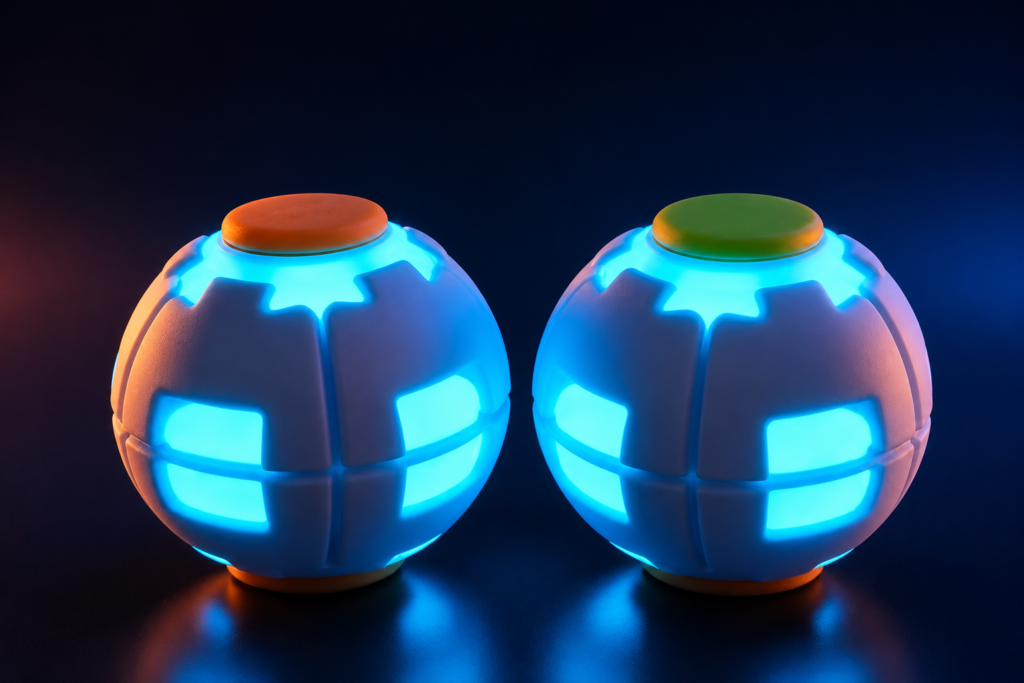
Light-up toys are nothing new. From flashing bouncy balls and outdoor toys to party favors and interactive products, LED effects have long been used to bring an extra visual dimension to familiar play patterns.
However, for buyers sourcing light-up toys wholesale, developing a competitive LED toy involves more than simply adding a light to an existing product.
Lighting effects, activation methods, materials, surface texture, color, packaging, and the intended retail environment can all influence how the finished product looks, feels, and performs.
For buyers sourcing light-up toys wholesale or developing a custom OEM program, the more useful question is not simply whether a product can light up.
It is:
How can LED features help turn a familiar toy concept into a more distinctive product?
Table of Contents
Why Light-Up Features Work Well with Established Toy Concepts
Not every successful toy needs an entirely new play pattern.
Products such as bouncy balls, outdoor toys, squeeze toys, and novelty items already have play experiences consumers understand. Adding an interactive visual element can give these established formats a fresh dimension without changing the basic way the toy is used.
Take a standard bouncy ball:
Throw → Bounce → Play
Add an impact-activated LED effect:
Throw → Bounce → Light Up → Play Again
The basic play pattern remains familiar, but the visual feedback makes each bounce more noticeable and engaging.
This can be especially effective for party settings, indoor play, seasonal programs, events, and other environments where a flashing or glowing effect adds to the experience.
That is why an LED light-up ball is more than simply a ball that glows. The light becomes part of the interaction.
The same product-development principle can be applied across many categories of LED toys.
Differentiating an LED Light-Up Ball
With many light-up products already available, simply adding LEDs is rarely enough to make a product stand out.
Buyers should instead ask:
What makes this version different?
For example, an LED Light-Up Bumpy Bouncy Ball can combine several features in a single product:
Impact-activated LED effects
Bouncing play
A bumpy or textured surface
Multiple color options
A distinctive novelty appearance
Custom packaging options
The textured surface adds both visual character and tactile interest. Meanwhile, different shell colors, transparency levels, and LED combinations can significantly change the appearance of the finished product.
For custom light-up toys, LED functionality should therefore be treated as one part of the overall product design.
Effective differentiation often comes from the combination of:
Lighting + Structure + Color + Texture + Packaging + Use Case
The opportunity is in how those elements work together.
What Should Buyers Consider When Sourcing Light-Up Toys Wholesale?
When sourcing LED toys wholesale or developing an OEM product, product photos alone do not tell the whole story.
Activation Method
Start with how the light is activated.
Depending on the product, LEDs may be triggered by impact, bouncing, pressing, or another interaction. The activation method affects both the play experience and the internal product structure.
For a bouncing toy, for example, an impact-triggered effect allows the lighting feature to become part of the core action rather than a separate function.
Lighting Effect
The LED configuration also matters.
Single-color lighting, multicolor flashing, flashing patterns, brightness, and illumination duration can create very different visual effects.
The appropriate configuration depends on the product concept and intended positioning.
Material, Color, and Transparency
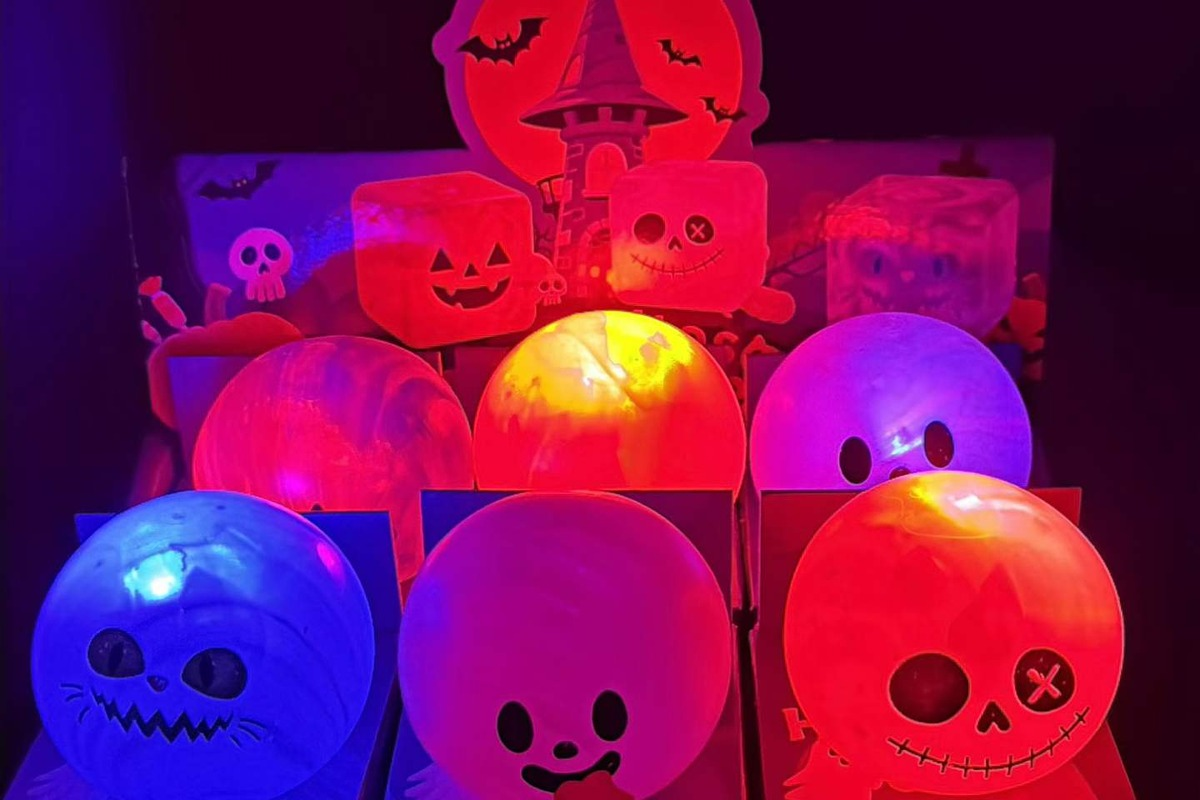
For products illuminated from within, the exterior material plays an important role in how the LED effect appears.
A transparent, translucent, or opaque shell can produce very different results even when the same LED module is used.
Color selection should therefore be considered together with the lighting effect rather than as an entirely separate design decision.
Size and Surface Design
Size, shape, texture, and overall hand feel also contribute to the finished product.
This is why an OEM toy inquiry is much more useful when it includes information beyond “We need a light-up ball.”
Providing the intended market, approximate size, preferred colors, packaging requirements, estimated order quantity, branding needs, and desired product experience gives the manufacturer a much clearer development target.
Packaging Should Match the Sales Channel
The toy itself is only one part of a successful product program.
For wholesale light-up toys, packaging can influence how the product is displayed, shipped, positioned, and sold.
The same LED toy might require very different packaging depending on the channel.
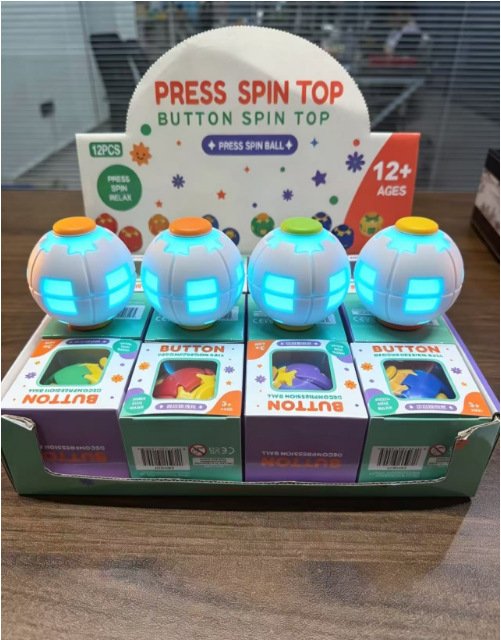
A retail program may benefit from individual or display-ready packaging that allows shoppers to see the product clearly. Wholesale or distribution programs may prioritize efficient case packing. Party favors and promotional programs may place greater emphasis on unit economics and quantity.
For a private label toy program, buyers may also want to incorporate branded graphics, logos, custom colors, barcodes, warning information, or retail-specific packaging.
When visual appeal is a major selling point, packaging should make it easy for customers to understand the product’s color, texture, shape, and light-up feature.
For this reason, packaging is best considered during product development rather than after the product itself has already been finalized.
Safety and Testing Considerations for Light-Up Toys
Adding LEDs, batteries, or electronic components introduces additional considerations compared with a basic non-electronic toy.
Depending on the product, factors may include battery accessibility, small parts, mechanical construction, materials, age grading, labeling, and applicable testing requirements.
The intended sales market should therefore be identified early in development.
For products intended for the United States, applicable requirements may include ASTM F963 and requirements under the Consumer Product Safety Improvement Act (CPSIA). Depending on the product and applicable requirements, documentation such as a Children’s Product Certificate (CPC) may also be relevant.
For products intended for the EU market, manufacturers and importers should also review applicable EU toy safety requirements, including conformity assessment and CE marking requirements.
Specific requirements depend on factors including product design, materials, age grading, battery configuration, and destination market.
Identifying these requirements before mass production can help buyers and their toy manufacturer plan sampling, product specifications, testing, and production more efficiently.
Turning One LED Toy Platform Into a Product Line
A useful question for brands and wholesalers is not only:
Can we sell this product?
It is also:
Can this product platform support an entire collection?
An established LED light-up ball design, for example, could potentially be developed with:
Different color combinations
Alternative surface textures
Transparent or translucent shells
Printed graphics
Seasonal themes
Custom branding
Different retail packaging formats
This approach can allow buyers to build multiple SKUs around a proven product format instead of starting from zero for every new item.
Seasonal development creates another opportunity.
Halloween, Christmas, party, promotional, and summer themes can potentially be developed through changes in colors, graphics, packaging, and overall presentation while maintaining a familiar underlying play pattern.
For retailers and brands that regularly refresh their assortments, developing variations around a core product platform can also help create a more cohesive collection.
Developing a Better Light-Up Toy Starts With the Product Concept
LED functionality alone does not create a strong product.
What matters is how lighting works together with the toy’s structure, visual design, tactile experience, color, packaging, and intended sales channel.
The LED Light-Up Bumpy Bouncy Ball from Vilora Toys is one example of this development approach. By combining an interactive LED effect with a textured surface and bouncing play, the basic product platform can be further developed through different colors, visual treatments, and packaging configurations based on project requirements.
For buyers sourcing light-up toys wholesale, custom light-up toys, OEM toys, or private label toys, the goal does not always have to be finding an entirely new toy concept.
Sometimes the better opportunity is to start with an established product format and develop a version that better fits your brand, customer, price point, and sales channel.
If you’re developing a custom light-up toys wholesale, retail or private label, you can request a quote to discuss product specifications, colors, packaging, testing requirements and estimated order volume.