Squishy toys are having a strong year in 2026 — but the sales numbers only tell part of the story.
Circana reported that U.S. toy dollar sales increased 13% through April compared with the same period last year, while unit sales rose 5%. Squishy toys moved much faster than the broader market, posting triple-digit growth in both dollars and units sold.
It would be easy to stop there and say squishies are simply “hot again.”
For retailers, wholesalers, importers and private-label brands, however, the more useful question is what is changing inside the category.
Today’s squishy market looks different from the slow-rising novelty toys buyers may remember from several years ago. Social discovery, collectible formats, food-inspired designs, oversized products and seasonal variations are giving the category more ways to grow beyond a single viral item.
These squishy toy retail trends are worth watching because they affect not only what consumers buy, but also how buyers may want to build an assortment.
Table of Contents
Squishies Are Becoming More Visual
Squeezing, stretching and slow rebound are still at the heart of the product.
What has changed is how much of that experience now needs to work visually.
Clear materials, glitter, moving fillings, beads, unusual textures, oversized shapes and recognizable food designs make a simple squeeze much easier to show in a short video.
That matters.
Circana specifically pointed to social media and emerging commerce platforms as important drivers of current squishy growth. ASMR content, unboxing videos and the hunt for different or limited designs are helping sensory products reach consumers beyond the traditional toy aisle.
For a buyer, this changes the product-selection question.
“Is it soft?” is no longer enough.
Does the toy look interesting before anyone touches it? Is there a clear visual change when it is squeezed? Would the effect make sense in a five-second video? Can a shopper understand the product immediately from a shelf or thumbnail?
Products that combine tactile satisfaction with a strong visual hook have an advantage in a market increasingly influenced by social discovery.
Collectibility Is Changing the Way Squishy Lines Are Built
Another shift is happening in the product structure itself.
A squishy no longer has to be a single standalone SKU.
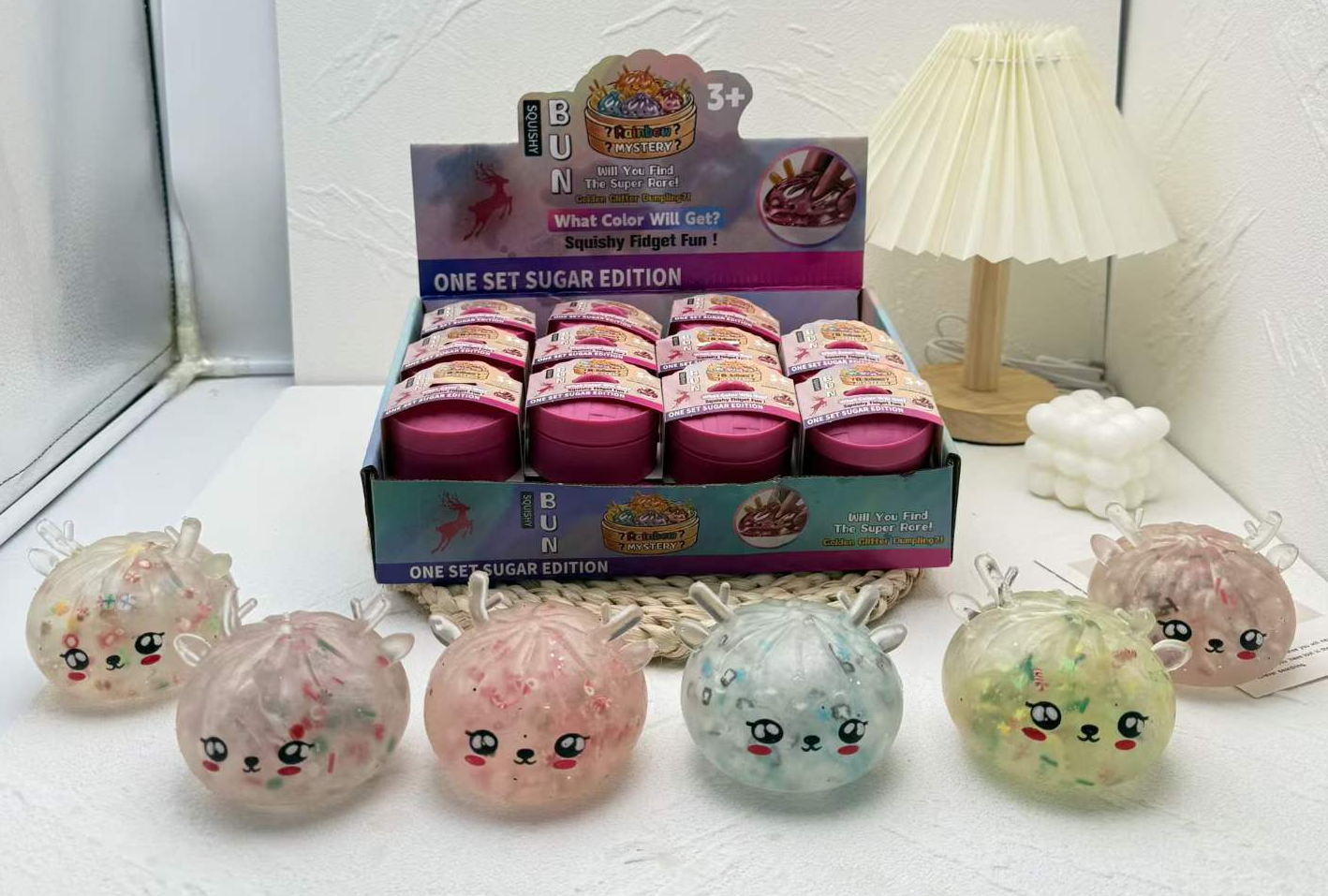
Mystery Squishy Dumpling is a useful example. Its success combines tactile play with blind packaging, multiple variants and the possibility of finding different designs. Spielwarenmesse noted that this mix of squeeze appeal and mystery-reveal mechanics has helped drive repeat purchases and sustained retail demand.
The bigger lesson isn’t about copying one dumpling product.
It’s about what happens when a basic squishy concept becomes a collection.
One core design can be developed into different colors, facial expressions, special effects, rare versions, seasonal editions or larger formats. For example, a bead-filled dumpling format can combine assorted colors, visual effects and a special variant within the same retail display. Instead of asking consumers to buy the same product again, the line gives them something new to look for.
That can be more valuable than simply creating ten unrelated squishy toys.
For private-label brands and retailers, the opportunity is to think about whether a product has room to grow after the first launch.
Food Squishy Toys Continue to Stand Out
Food shapes are particularly well suited to this category.
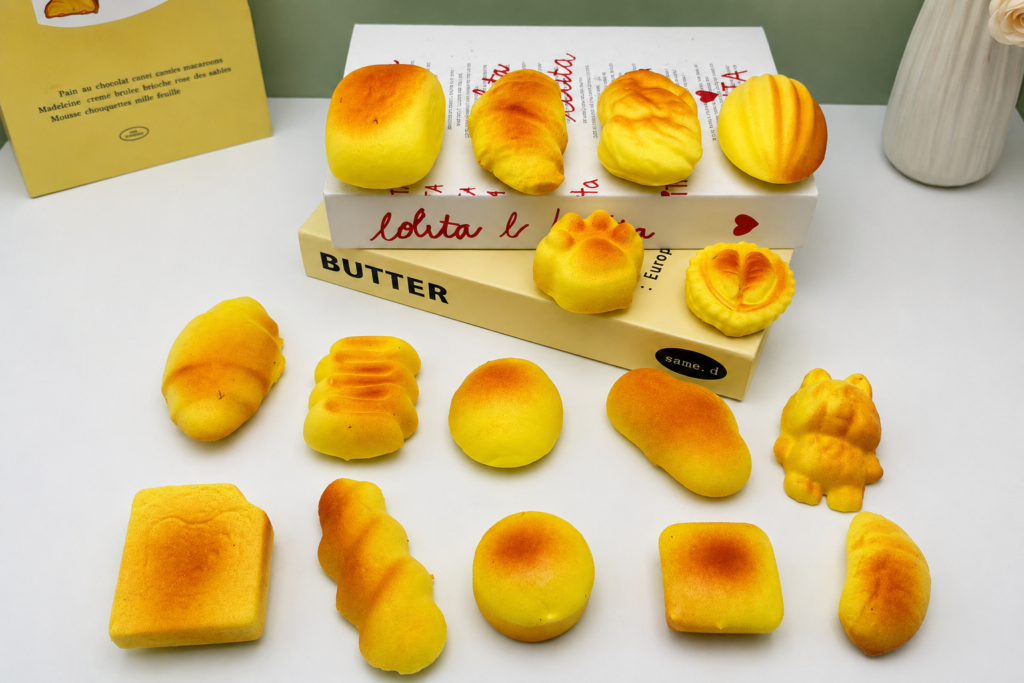
A dumpling, stick of butter, piece of cheese or dessert doesn’t need much explanation. The customer already knows what the object is supposed to look like.
The novelty comes from changing the expected texture.
Something that looks like butter but stretches, or a dumpling that feels soft and squeezable, creates an immediate contrast between what people recognize and what they experience.
Recent UK retail feedback suggests that this idea continues to resonate. Toy Barnhaus reported in August that squishy toys and dumplings remained major drivers of both sales and store traffic, while butter squishies were performing strongly.
That doesn’t mean every food design will sell.
But food squishy toys have one clear development advantage: the concept is familiar, while the material and squeeze effect create the surprise.
For product developers, food also provides an unusually large design library — fruit, bakery items, candy, drinks, fast food, desserts and seasonal foods can all become part of the same broader collection.
Jumbo Is More Than Just a Bigger Version
Once a squishy design starts working, size becomes another way to extend it.
Toy Barnhaus also reported strong sales of giant squishy pickle and giant novelty designs in the UK.
The appeal of a jumbo squishy toy is fairly straightforward: it creates more visual impact.
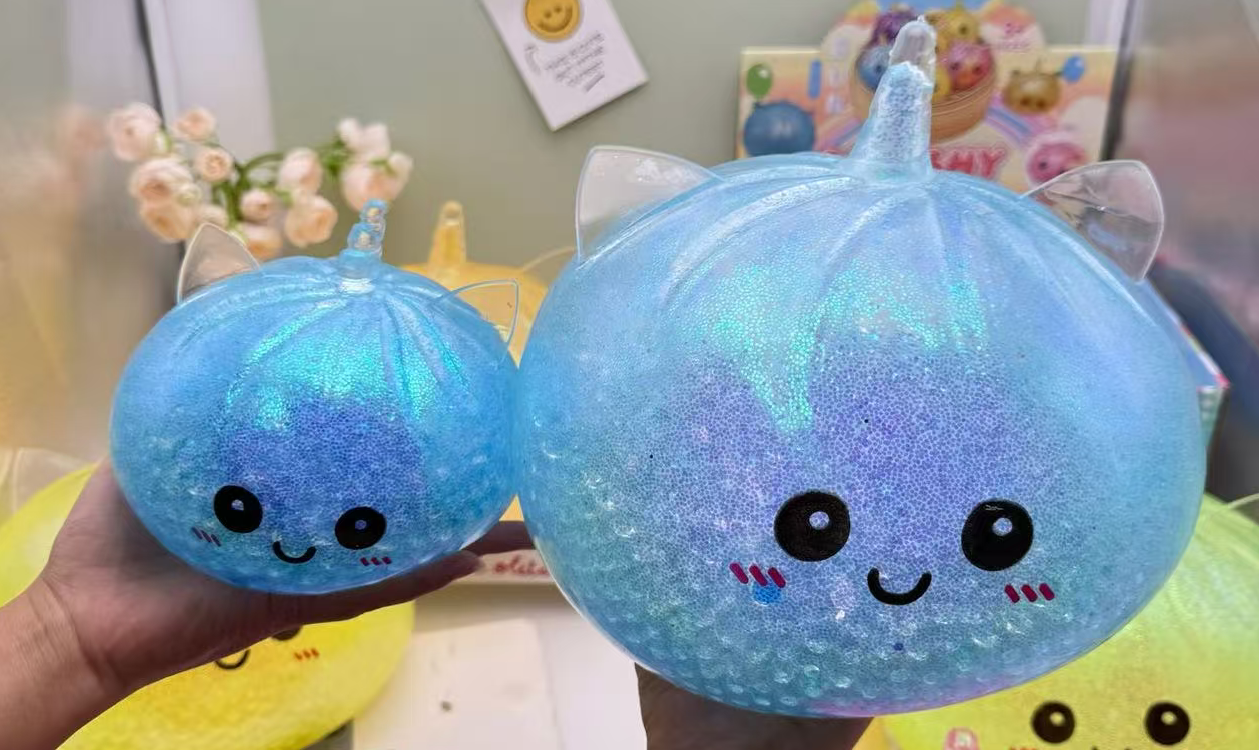
A larger product stands out more easily on a shelf, in a gift display or in social content. It can also create another retail price point within the same assortment.
That makes size a useful merchandising tool.
Instead of offering five products that all sit at roughly the same price, a retailer might carry:
Standard Size → Jumbo Size → Special Effect Version
The product family stays recognizable, but the customer has more than one reason to trade up or come back.
The UK Is Showing Similar Retail Signals
The strongest numerical evidence for squishy growth currently comes from the U.S., so it would be misleading to assume every market is growing at exactly the same rate.
Still, recent UK retail feedback is notable.
Toy Barnhaus described squishies and dumplings as major drivers of sales and footfall, with consumers actively coming in looking for products they had seen on TikTok. New giant versions and butter squishies were also selling strongly.
That matters because it supports something we are also seeing in the U.S. data: sensory toys are increasingly connected to discovery and impulse.
Consumers may first encounter the product through social media, but the purchase can happen in a toy store, gift shop, novelty retailer or another physical retail setting.
For buyers, that means squishies shouldn’t necessarily be viewed only as a narrow “sensory toy” category.
Depending on the design and packaging, they can also work as collectibles, novelty gifts and impulse items.
Europe Offers Opportunity — but Buyers Need to Think Beyond the Trend
Europe is a more complicated market to generalize.
Circana’s latest regional analysis shows continued toy-market growth and strong consumer engagement across Europe, with collectibles, gaming and fandom-driven purchases among broader trends shaping demand. But Circana does not report the same specific triple-digit European squishy growth that it reported for the U.S.
So the safer conclusion is not “Europe has the same squishy boom.”
It’s that the wider environment remains favorable to collectible and experience-driven products, while individual markets may develop differently.
Compliance also matters more than ever when a trend attracts a flood of new suppliers.
Toy Industries of Europe reported in its 2024 marketplace study that 80% of more than 100 toys it purchased from third-party marketplace sellers failed to meet EU safety standards. The test focused on unbranded or unknown-brand products rather than squishies specifically, but it highlights a broader sourcing risk in fast-moving toy categories.
For buyers developing products for Europe, material selection, age grading, applicable EN 71 testing, labeling and traceability should therefore be considered early in development.
Following the trend is one thing.
Being able to sell the product reliably is another.
Seasonal Designs Can Keep a Squishy Line Moving
Squishies also lend themselves naturally to seasonal development.
A Halloween collection might use pumpkins, ghosts, monsters or orange-and-purple colorways.
A Christmas range might shift to snowmen, holiday foods, red-and-green colors or glitter effects.
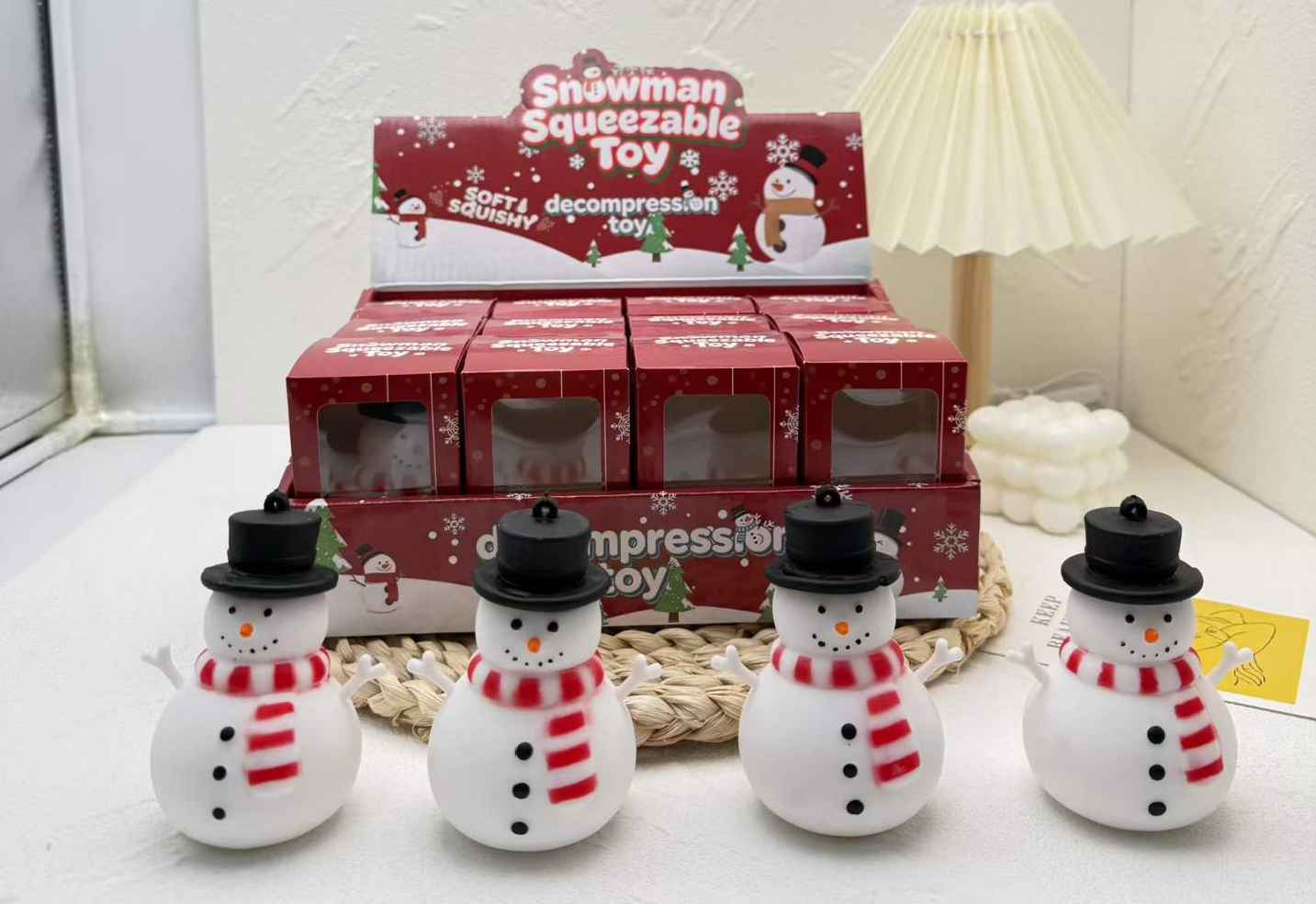
The advantage isn’t simply that the package looks festive.
Seasonal development allows a proven product structure to keep changing without starting from zero every time.
A line might evolve like this:
Core Design → Halloween Edition → Christmas Edition → Jumbo Version → Special Effect Version
The customer still recognizes the product family, while the retailer gets a reason to refresh the assortment.
For OEM and private-label buyers, this can also make development more efficient than creating an entirely new product concept for every selling season.
What Squishy Toy Retail Trends Mean for Buyers
When a category starts growing quickly, the easiest response is to chase whatever product is currently going viral.
That isn’t always the best buying strategy. For buyers, understanding squishy toy retail trends is more useful than simply chasing the latest viral product.
A more useful question is whether the product has room to develop after the first order.
Consider whether the design has a clear visual identity. Can it support several colors or variations without becoming repetitive? Could the same concept work in standard and jumbo sizes? Is there room for a mystery or collectible element? Could it move into Halloween or Christmas without losing its identity?
Packaging matters too.
A product intended for impulse purchase needs to communicate quickly. A collectible line may need packaging that makes different versions easy to understand while still preserving some surprise. Wholesale assortments may benefit from mixed colors or display-ready packaging.
And before any of that reaches production, the materials, target age group, destination market and applicable testing should be clear.
The strongest product idea isn’t necessarily the one that happens to be trending today.
It may be the one that gives a retailer or brand several ways to keep the line relevant tomorrow.
Squishy Growth May Be the Beginning, Not the End
The U.S. market has already delivered a strong signal: through April 2026, squishy toys posted triple-digit growth in both dollars and units.
These squishy toy retail trends are also beginning to show up in UK retail feedback.
UK retailers are reporting strong interest in dumpling, butter and giant squishy formats.
But the more interesting story may be what is happening underneath those sales.
Collectible mechanics are creating repeat-purchase opportunities. Food designs are giving familiar objects a novelty twist. Jumbo products are opening new price points. Seasonal variations are extending the life of existing concepts.
Together, these squishy toy retail trends suggest that the category is becoming more flexible than the simple stress-relief toy it once appeared to be.
For retailers, wholesalers and private-label brands, the question is no longer only:
“Which squishy is popular right now?”
A better question may be:
“Which product idea gives us somewhere to go next?”
At Vilora Toys, we support OEM and ODM development for squishy, sensory and novelty toy projects, including custom designs, colors, materials, packaging and product variations for different retail programs.
If you’re planning a new squishy line, a seasonal collection or a private-label product, Request a Quote →