Toy sourcing in 2026 is becoming more complex. For importers, wholesalers, retailers and private-label brands, sourcing decisions are no longer based on unit price alone. Trade conditions, supply chain stability, product development speed, lead times and market requirements are all playing a larger role in how buyers evaluate suppliers.
At the same time, international demand for toys remains active. China’s toy exports excluding games reached approximately $2.81 billion in May 2026, marking the second consecutive month of month-over-month growth. The sourcing environment is changing, but buyers are still actively looking for products, suppliers and manufacturing capacity around the world.
Table of Contents
China Toy Sourcing Is Evolving, Not Disappearing
Supply chain diversification has become an increasingly important part of sourcing strategy. Toy companies are evaluating additional manufacturing locations and looking for ways to reduce dependence on a single supplier or production region. However, diversification does not necessarily mean replacing one manufacturing country with another.
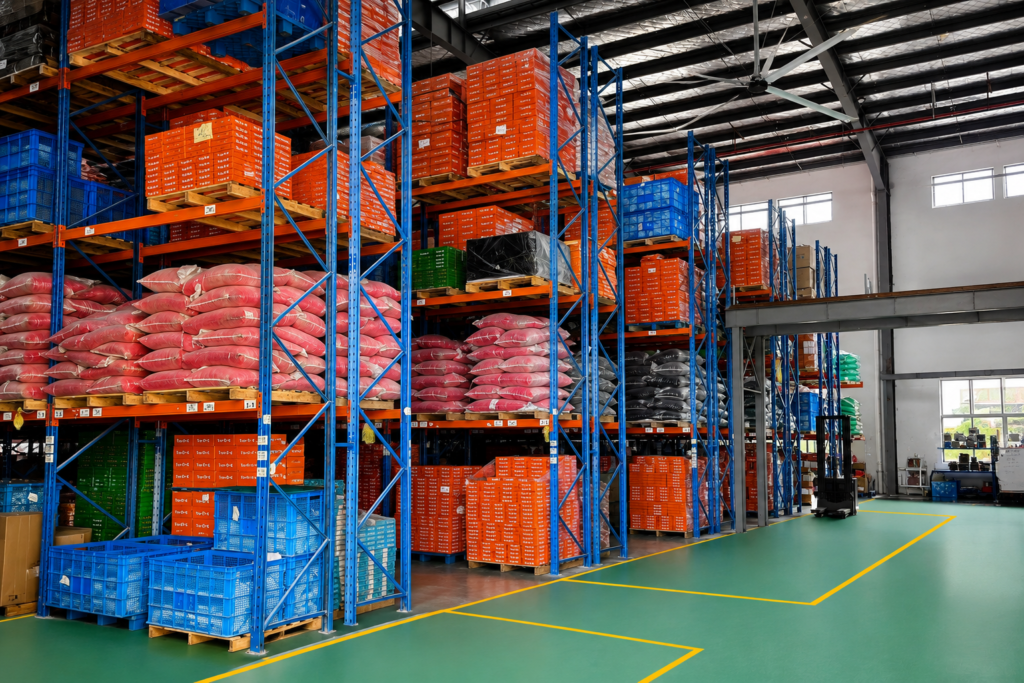
Toy production often depends on a network of mold makers, material suppliers, printers, assembly operations, packaging vendors, testing laboratories and other specialized partners. For custom toys and OEM/ODM projects, access to this manufacturing ecosystem can have a direct impact on sampling speed, production flexibility and the ability to solve problems during development.
This is one reason China continues to play an important role in global toy manufacturing. The more significant change in toy sourcing in 2026 is that buyers are becoming more selective about which supplier, production location and sourcing model make sense for each individual project.
Recent Export Data Shows Continued International Demand
China’s May export data provides an interesting snapshot of current demand. Toy exports to the United States reached approximately $740 million, increasing 64.9% year over year and 13.5% from the previous month. Exports to the European Union reached about $440 million, up 6.9% month over month, while Southeast Asia and Latin America also recorded monthly growth.
One month of trade data should not be treated as a forecast for the entire year, particularly when tariff policies and purchasing cycles can change quickly. Still, the figures show that international buyers remain closely connected to China’s toy manufacturing base.
For buyers, this makes the sourcing question more specific. Rather than simply asking where a product should be manufactured, the more useful question is which supplier has the right capabilities for that particular product, market and order structure.
The Lowest Quote Is Not Always the Lowest Cost
As sourcing becomes more complicated, comparing EXW or FOB prices alone can give buyers an incomplete picture. The actual landed cost of a toy program may include packaging, testing, freight, duties, warehousing and inventory carrying costs. Production delays, inconsistent quality or problems discovered after goods are finished can quickly erase the savings from a slightly lower unit price.
This is particularly important for custom and private-label toys. Buyers may need to evaluate how well a supplier can translate a concept into a workable sample, handle revisions, reproduce approved colors and materials, coordinate packaging and maintain consistency between the final approved sample and mass production.
A supplier offering the lowest initial quotation is therefore not necessarily the supplier offering the lowest overall cost. Development capability, communication and production reliability can have just as much influence on the final economics of an order.
Different Products Need Different Sourcing Strategies
There is no single sourcing model that works for every toy program. Established SKUs may prioritize consistent quality and reliable replenishment, while new products often require stronger development and sampling capabilities. Seasonal programs depend heavily on timing, and private-label projects may require closer coordination between product design, packaging and market requirements.
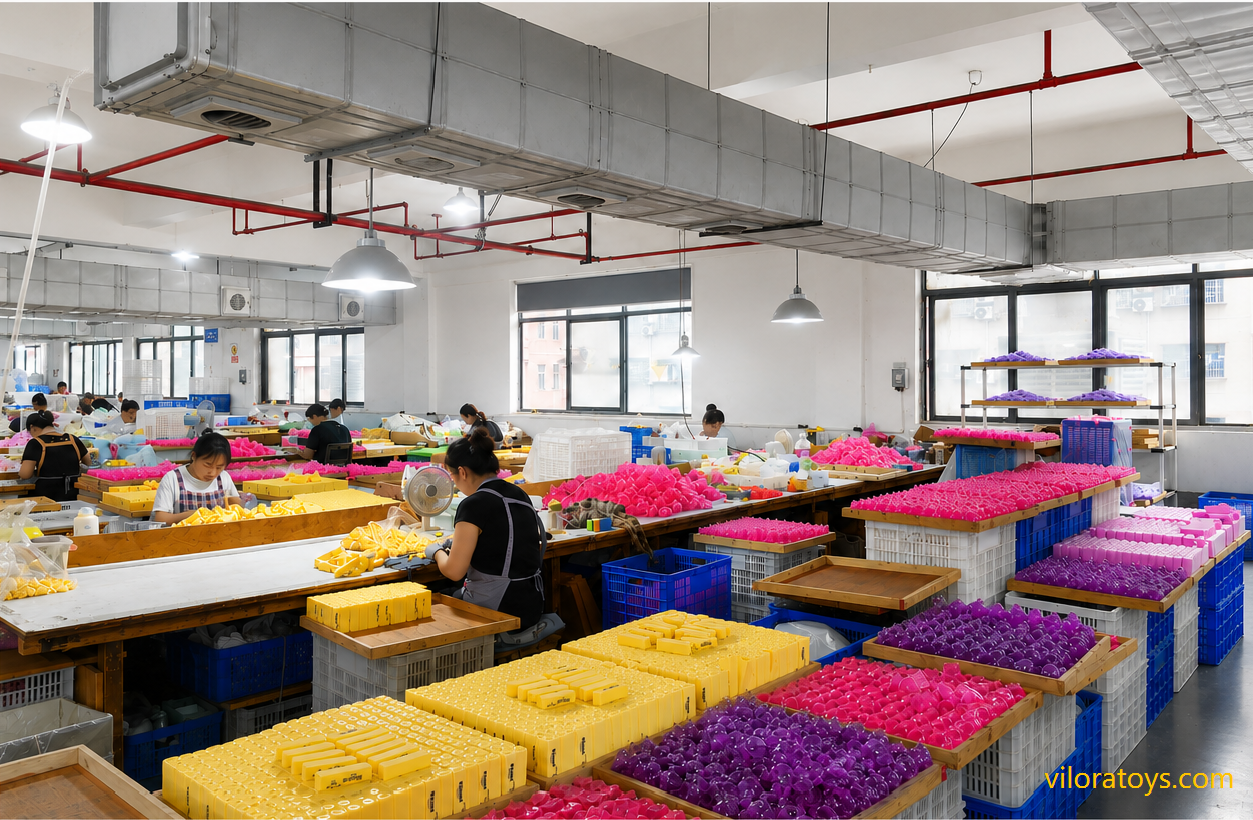
For squishy toys, fidget toys and novelty products, the visual design is only part of the finished product. Material feel, construction, printing, packaging and production consistency can all affect the consumer experience. These factors should be considered when evaluating a supplier, not only after a purchase order has been placed.
A more flexible sourcing strategy allows buyers to match different products with the suppliers and production methods best suited to them instead of applying the same purchasing criteria to every SKU.
What Toy Sourcing in 2026 Means for Buyers
The fundamental goal of sourcing has not changed: buyers still need products that can reach the market at the right cost, on time and at an acceptable level of quality. What has changed is the number of factors that now sit behind that decision.
In toy sourcing in 2026, price remains important, but development capability, communication, production consistency, lead time and supply chain flexibility are becoming equally difficult to ignore. For importers, wholesalers, retailers and private-label brands, a sourcing strategy that balances these factors may ultimately create more value than continually searching for the lowest quotation.