
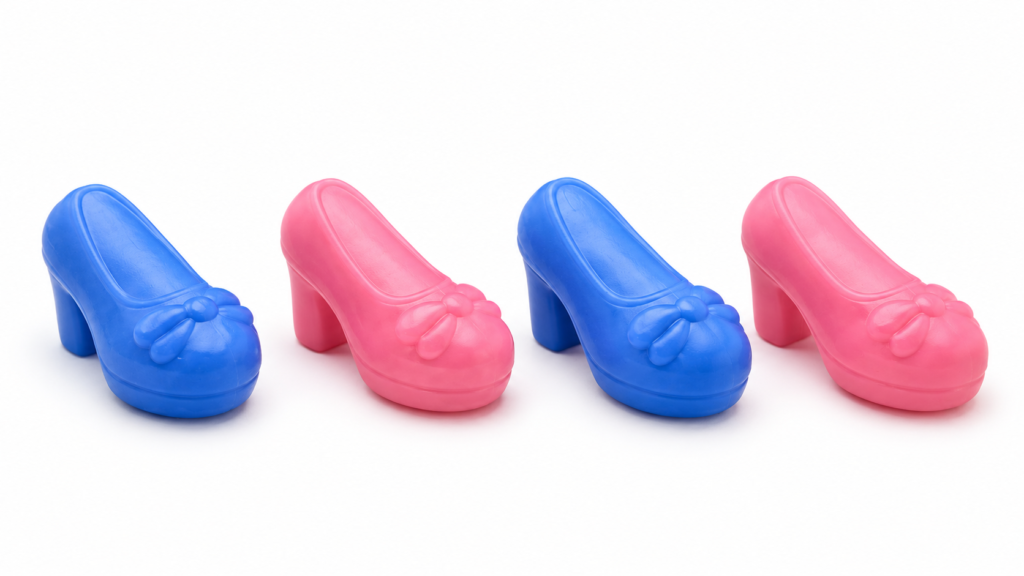
Suppose a shopper orders a pink squishy from your website. Your supplier has stock, accepts single-unit orders, and can send the parcel directly to the shopper. That sounds like a complete dropshipping arrangement.
But what happens if the pink version sells out between inventory updates? Does your store receive a rejection, a revised shipping date, or a different color without approval?
Toy wholesale dropshipping requirements become meaningful at those points. Before listing products, follow one order through the proposed process and establish who handles each decision.
Table of Contents
Before the Product Goes Live
Start by confirming that the supplier actually supports direct-to-consumer fulfillment. A wholesale account, online ordering portal, or low opening minimum does not establish that capability. Crayola’s direct-purchasing FAQ, for example, states that its products are sold in full cases and that dropshipping is unavailable. That is Crayola’s policy, but it illustrates why retailers should ask explicitly.
Confirm eligible products, delivery destinations, and sales channels. Permission to sell through your own website should not be assumed to include Amazon, Walmart Marketplace, or other platforms. Ask about any separate channel approvals before uploading listings.
Next, match the listing to the sellable unit. For squishies, a photograph may show an assortment while the supplied item is one randomly selected design. A retail display may contain individually packaged toys that cannot be ordered separately. When reviewing a squishy toy range, establish the exact SKU, quantity per order, color-selection rules, dimensions, packaging, and age information.
Good toy wholesale dropshipping requirements also define the product data you will receive. Ask who maintains descriptions, images, identifiers, prices, and discontinued-item notices—and whether you have permission to use the supplied content.
Keep applicable product documentation connected to those identifiers. A listing should not inherit another SKU’s safety claims simply because the toys look similar. Vilora’s Children’s Product Certificate guide explains the product-identification checks relevant to importers.
Between Checkout and Carrier Pickup
The next question is availability.
Find out how stock reaches your store: a spreadsheet, scheduled feed, application connection, or another method. Ask how often it updates and whether the quantity reflects stock available for new orders. An inventory update and a reservation for your customer’s order are separate events.
The ToysRUs.com dropship operations manual published for 2023, hosted by Logicbroker, separates product feeds, inventory updates, order acknowledgments, and shipment advice. That structure illustrates the information exchanges involved; its individual service levels should not be treated as universal or current requirements for other programs.
Your toy wholesale dropshipping requirements should establish how an order is accepted, how a rejection reaches your team, and when an address change or cancellation becomes too late. Define what happens to a multi-item order if only part of it can ship. Do not let an unapproved substitution become the default answer to a stock shortage.
The shipping process needs equally clear confirmation. Establish the dispatch location, handling time, available services, and when tracking information will reach your store. A created shipping label does not establish that the carrier has the parcel.
Ask what arrives inside and outside the box. If neutral or retailer-branded fulfillment is available, review the sender details, packing slip, invoices, and promotional inserts. Confirm packaging arrangements without assuming required product labels can be removed.
Then review the economics of an ordinary single-item order. Include product cost, fulfillment fees, shipping, and applicable surcharges. A case-level wholesale price is not enough to assess a parcel sent to one household.
When the Order Needs Help
Returns and delivery problems belong in the setup discussion.
Establish who communicates with the shopper, who investigates with the carrier, where authorized returns go, and what evidence is needed for damaged or incorrect items. Define when the supplier issues a credit and how that relates to the refund your store gives the customer. Those may be separate transactions.
Toy wholesale dropshipping requirements should also cover access to customer information. Agree which details are shared for fulfillment, who can access them, and whether the supplier may use them for anything beyond servicing the order.
Before launching a broad assortment, place an agreed test order. Check the item received, packaging, tracking messages, transit experience, and invoice reconciliation. Also test how the supplier handles an unavailable item or a return request.
A successful test does not guarantee every future delivery. It does reveal whether the process exists beyond a sales promise.
Clear toy wholesale dropshipping requirements help your team support each listing from checkout through delivery and returns. Expand the range once those steps work, rather than discovering their gaps through customer complaints.
Read More