

A display sample has been squeezed throughout a busy weekend. An identical toy has spent those same two days inside its retail box.
They are the same age. They have had very different lives.
That is why squishy toy lifespan cannot be reduced to a reliable number of months without evidence for the particular product and its use. “Lasts a long time” leaves too much unanswered: does the supplier mean the toy stays intact, retains its original feel, or continues to look new?
Before comparing durability claims, decide which of those outcomes matters to the purchase.
Table of Contents
Decide What “Still Lasting” Means
A squishy may remain in one piece while its printed face becomes less distinct. Another may look unchanged but no longer deliver the squeeze experience the buyer selected.
Those are different purchasing concerns.
For squishy toy lifespan, separate appearance, performance, and physical condition. Identify the characteristics the product must retain rather than treating every change as the same failure.
An appearance requirement might concern a recognizable character face. A performance requirement might concern recovery behavior under an agreed comparison method. Physical damage requires its own response.
Poison Control’s stress-ball guidance recommends checking products regularly and discarding them if damaged. A product should not remain in use simply because it has not reached an expected replacement date.
Construction also matters. A material name or familiar shape does not establish how long the finished item will perform.
Vilora’s Stretchy Squishy Cube, for example, describes a particular TPR product and its decorative options. That information identifies the item; it does not establish a service-life guarantee.
A useful squishy toy lifespan discussion therefore begins with the finished SKU and a clear description of what “acceptable condition” means for that order.
A Squeeze Count Is Not a Calendar
A supplier reports that a sample completed a certain number of compression cycles.
That can be useful evidence. It is not automatically evidence that the toy will last six months in a customer’s hands.
Instron’s overview of dynamic testing describes repeated mechanical loading and different testing arrangements. The general principle is relevant here: a test applies a defined movement under specified conditions.
To interpret a squishy toy lifespan claim based on cycles, ask what each cycle involved. How far was the product compressed? At what rate? Where was force applied? What counted as an unacceptable change?
Those details determine what the result actually covers.
A controlled compression test may not include pulling an attached feature, rubbing decoration against other objects, or leaving the toy compressed inside a bag. Different actions should not be treated as equivalent merely because they all involve handling.
Nor should a buyer divide the reported cycle count by an assumed number of daily squeezes and present the result as a proven lifespan.
For squishy toy lifespan, calendar time, repeated handling, and storage history are separate pieces of evidence. A claim about unopened stock needs storage conditions and an evaluation period; a claim about repeated squeezing needs a defined handling method.
Record those distinctions in the product specification so quotation comparisons do not quietly mix different claims.
Learn From Use Without Turning a Trial Into a Guarantee
A small trial can reveal practical questions before a larger order. Its value comes from a clear record, not an impressive-sounding duration.
When reviewing squishy toy lifespan through a trial, identify the SKU, batch, start date, and setting. Keep a separate reference sample under documented conditions for later comparison.
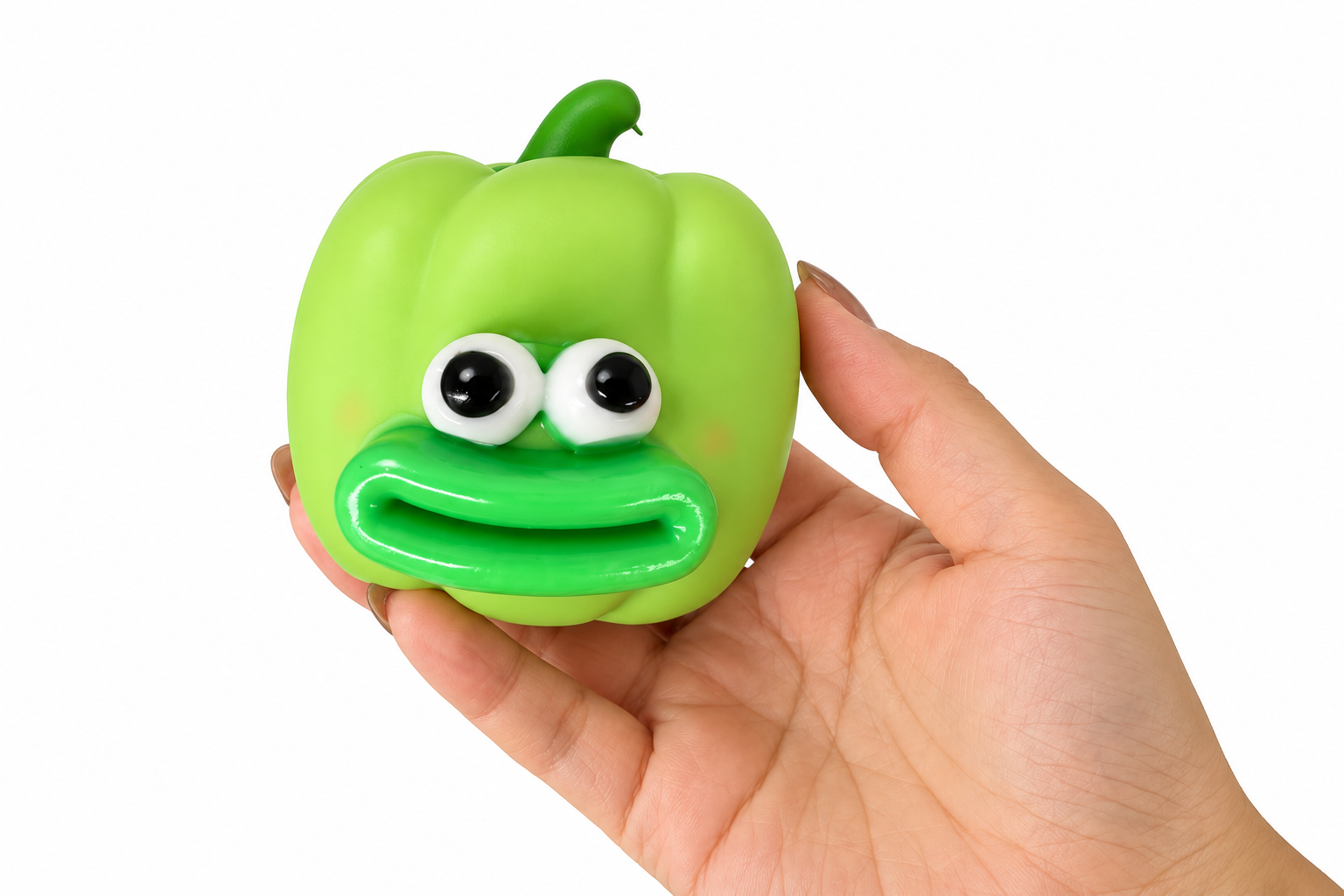
For a store demonstration item, note how it was displayed and roughly how heavily it was handled. For customer feedback, distinguish the purchase date from the date the product first entered use.
Record the observed change and its timing. “The mouth graphic became difficult to recognize after repeated display handling” is more informative than “it did not last.”
Include units that remain satisfactory as well as those showing changes. A record containing only complaints cannot tell the buyer how common a problem was across the trial.
Keep claims bounded by the evidence. One sample remaining acceptable for several weeks does not establish the expected result for every unit, customer, or environment.
The same discipline helps with returns: collect the batch reference, time in use, handling information, and photographs before drawing conclusions about the cause.
Squishy toy lifespan becomes a more useful purchasing question when buyers ask what remained acceptable, under which conditions, and across how many products. That gives the supplier something measurable to discuss—and gives the retailer a firmer basis for setting customer expectations.
Read More