
The best fidget toys for kids are the ones a child can use comfortably and wants to pick up again. A popular design may catch their eye, but choosing one involves more than matching a favorite color or character.
If you are shopping for siblings, the best fidget toys for kids in one household may be different for each child.
Picture two children trying the same toy. One quickly works out the action and keeps playing. The other asks an adult to restart it every time, then loses interest. Neither response tells you whether the toy is universally good or bad. It tells you something about the match.
For parents comparing the best fidget toys for kids, a short shared tryout can reveal that match before a drawer fills with unused purchases.
Table of Contents
Check the Label Before Offering a Choice
Start with the product’s stated age range and warnings. Narrow the options before inviting your child to choose.
The U.S. Consumer Product Safety Commission advises families to follow packaging guidance and choose toys that match a child’s interests and abilities. Its toy safety guidance also says to keep small balls and toys with small parts away from children under three.
A child being able to operate an older sibling’s toy does not override its age guidance. Think about younger siblings who may reach the same play area, too.
The best fidget toys for kids should come with enough information to make an informed choice. If the age guidance is missing from an online listing, ask the seller for the actual label before buying.
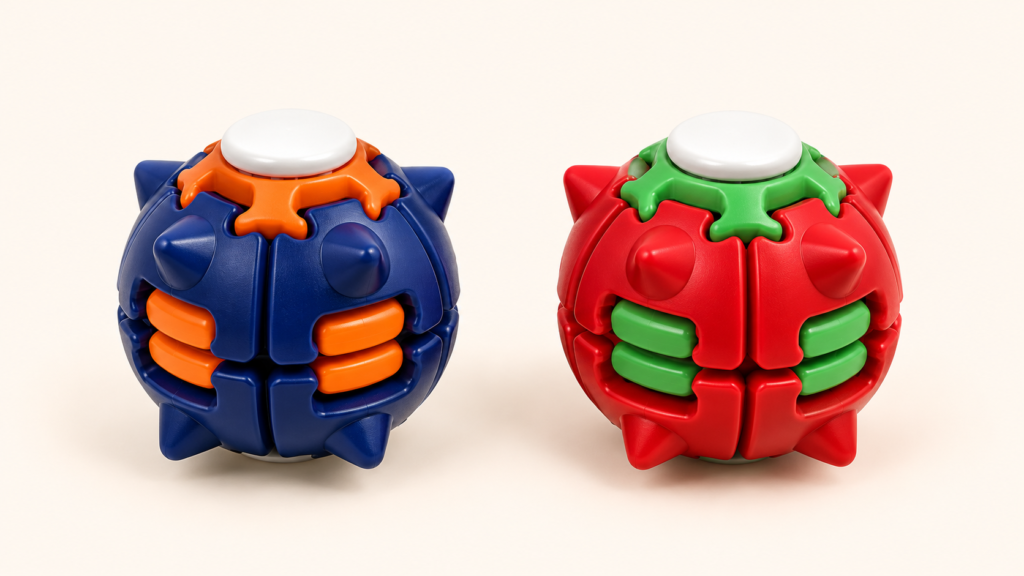
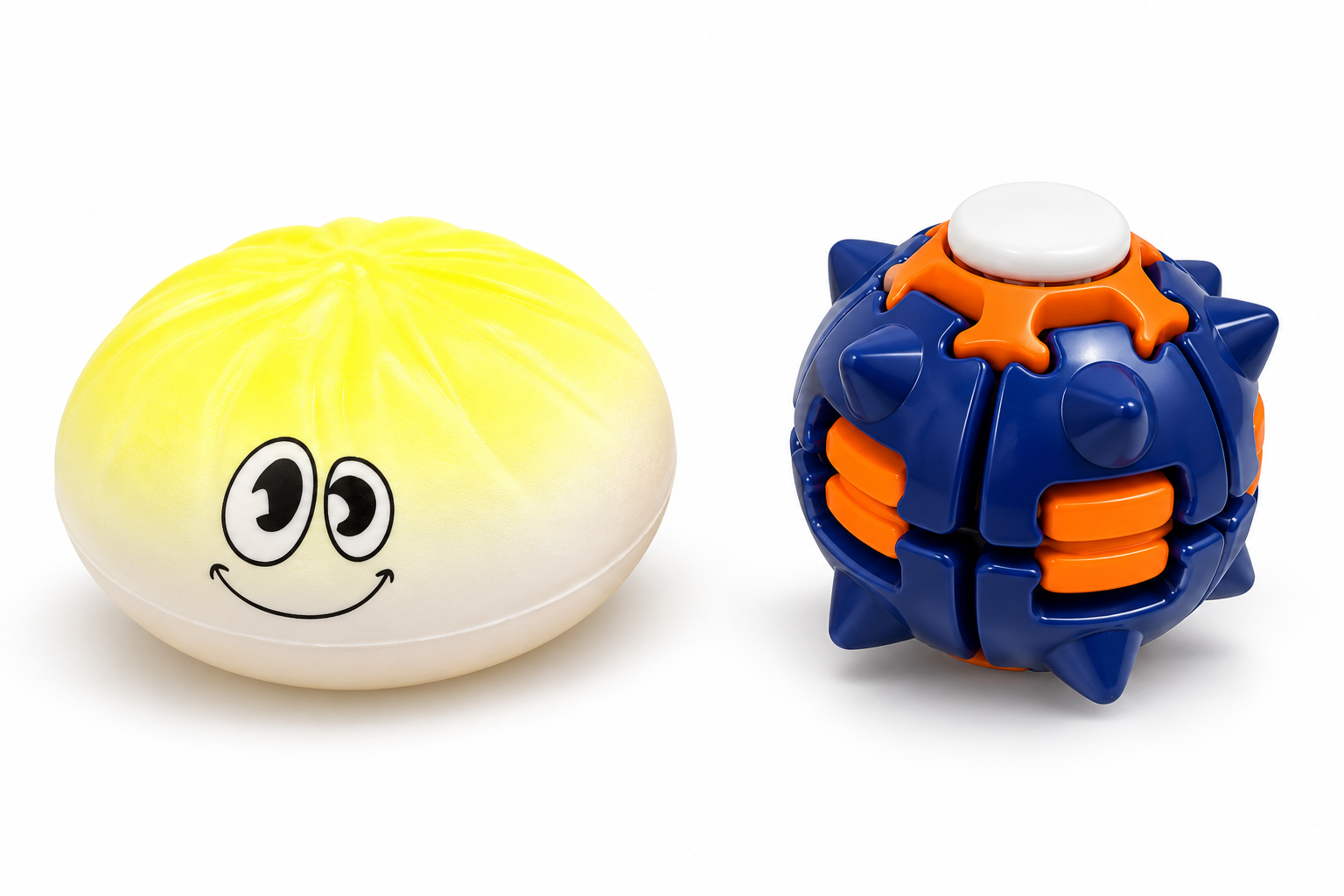
Product names explain only part of the item. Vilora’s Press-to-Spin Fidget Ball, for example, identifies a pressing action that activates rotation. That explains the mechanism. Check the actual age label and instructions before considering it for your child.
Let Your Child Try It Without Taking Over
Once you have suitable options, demonstrate the intended action briefly. Then let your child take over.
Can they start it? Can they repeat the action? If something needs resetting, can they manage that step as well?
These questions make comparing the best fidget toys for kids more concrete. A toy may be enjoyable when an adult operates it but frustrating when the child tries alone.
Notice where help is needed. Perhaps the control is hard to reach, the movement requires more pressure than expected, or the reset is unclear. One explanation may solve the problem. If play keeps stopping for adult help, consider whether you wanted a shared activity or something the child could use independently.
Avoid turning the tryout into a performance test. There is no prize for squeezing hardest or spinning longest. Let the child explore within the product’s instructions and stop if the action feels uncomfortable.
Browsing a fidget collection can introduce several possibilities, but you do not need to try every format. Two genuinely different options give the child a manageable choice.
Ask About the Part They Actually Enjoyed
“Do you like it?” often produces a quick yes, especially with a new toy.
Try a more specific question: “Did you like pressing the button or watching it move?” For a squeeze toy, ask whether the child enjoyed the feel, the changing shape or the character.
Their answer may differ from your guess.
Understood’s guidance on fidgets for kids encourages asking children about their preferences and trying options together. It also notes that preferences can change during the day.
Keep that flexibility in mind when choosing the best fidget toys for kids. A favorite can change. A child might enjoy a twistable item during a play break and choose a simple squeeze toy on another occasion.
Accept a clear “I don’t like how it feels.” A popular texture is not a requirement. If the character is appealing but the interaction is not, another product may provide a better match.
See Whether They Choose It Again
The first few minutes tell you about initial interest. A later invitation tells you whether the child wants to return to the toy.
Put the same suitable options within reach during another ordinary play break. Ask which one they would like, without suggesting that yesterday’s choice was the correct answer.
The best fidget toys for kids do not have to hold attention longer than every other activity. This is simply a chance to notice whether operating the toy remains enjoyable once the surprise has faded.
Keep that observation separate from claims about learning, anxiety or concentration. Enjoying a toy does not demonstrate a therapeutic effect.
If the item is intended for school, check the teacher’s rules before sending it. At home, agree on where it belongs and how to handle it.
To narrow down the best fidget toys for kids, look for an action your child understands and a toy they want to use. Their willingness to return is more informative than an adult’s enthusiasm for the design.
Read More