
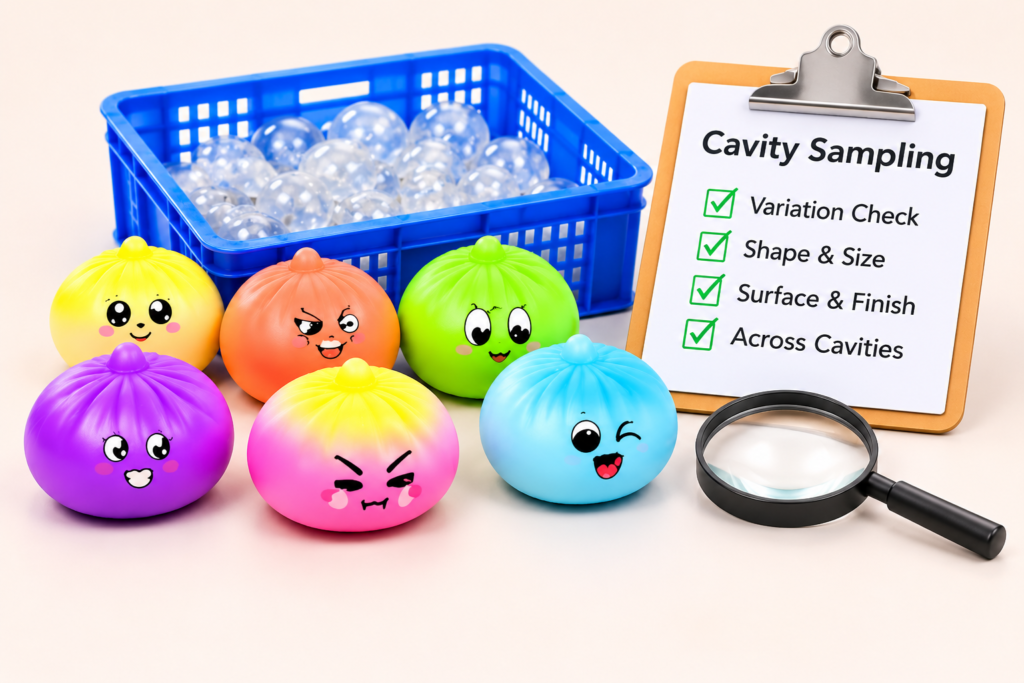
A supplier can send one excellent character sample while other pieces from the same tool show a different edge, shape or finish. A buyer reviewing first-run output needs to look beyond that selected example. Squishy toy cavity sampling is a focused discussion about variation within a mold or tooling arrangement, where such traceability is available. It should help a private-label buyer understand the submitted pieces, without pretending that a basket of toys proves cavity identity or replaces final shipment inspection.
Table of Contents
Establish traceability for squishy toy cavity sampling
Plan squishy toy cavity sampling by asking how the supplier identifies output from the proposed tool and whether individual cavities are traceable in the relevant process. Do not assume every toy carries a visible cavity number. The useful record may depend on the tool, production method and handling arrangement. If identification is unavailable, record that limitation rather than adding guessed numbers to sample photographs.
Separate the intended product shape from the production source. Several similar-looking transparent bodies can belong to different tools, revisions or production runs. Conversely, pieces from one tool may vary in appearance for reasons other than geometry. The supplier should explain the relationship between the samples and the tooling record before the buyer uses that relationship as an approval basis.
Vilora’s wholesale squishy range contains multiple shapes and constructions. It does not establish a common cavity layout or tool ownership. For a custom project, use the actual proposed design and supplier’s tooling information. A factory-style photograph is not proof of a particular cavity count, production capacity or ability to trace every finished toy.
Request a first-run comparison, not another hero sample
For squishy toy cavity sampling, agree on a selection that addresses the tool-related question. Ask the supplier to preserve the available piece identities and provide a complete view of each selected sample. Compare the relevant dimensions, parting geometry, visible detail and finish under consistent conditions. If the toy is deformable, use the same approved preparation so handling differences do not masquerade as cavity variation.
For an identified difference, mark its location and keep both an acceptable reference and the questioned piece. Avoid asking for only the best-looking replacement. The next submission should explain what changed and how the comparison was repeated. A revised tool or process may need another targeted review before the buyer can reasonably connect its approval to the new output.
The OEM overview from Squishy Toy Supplier illustrates the commercial discussion around custom tooling. A competitor’s description cannot verify a Vilora tool, sampling arrangement or production capability. Treat it as sourcing context. The evidence for the order must come from the proposed project’s records and identifiable finished samples, not from another manufacturer’s marketing claims.
Keep cavity review distinct from lot acceptance
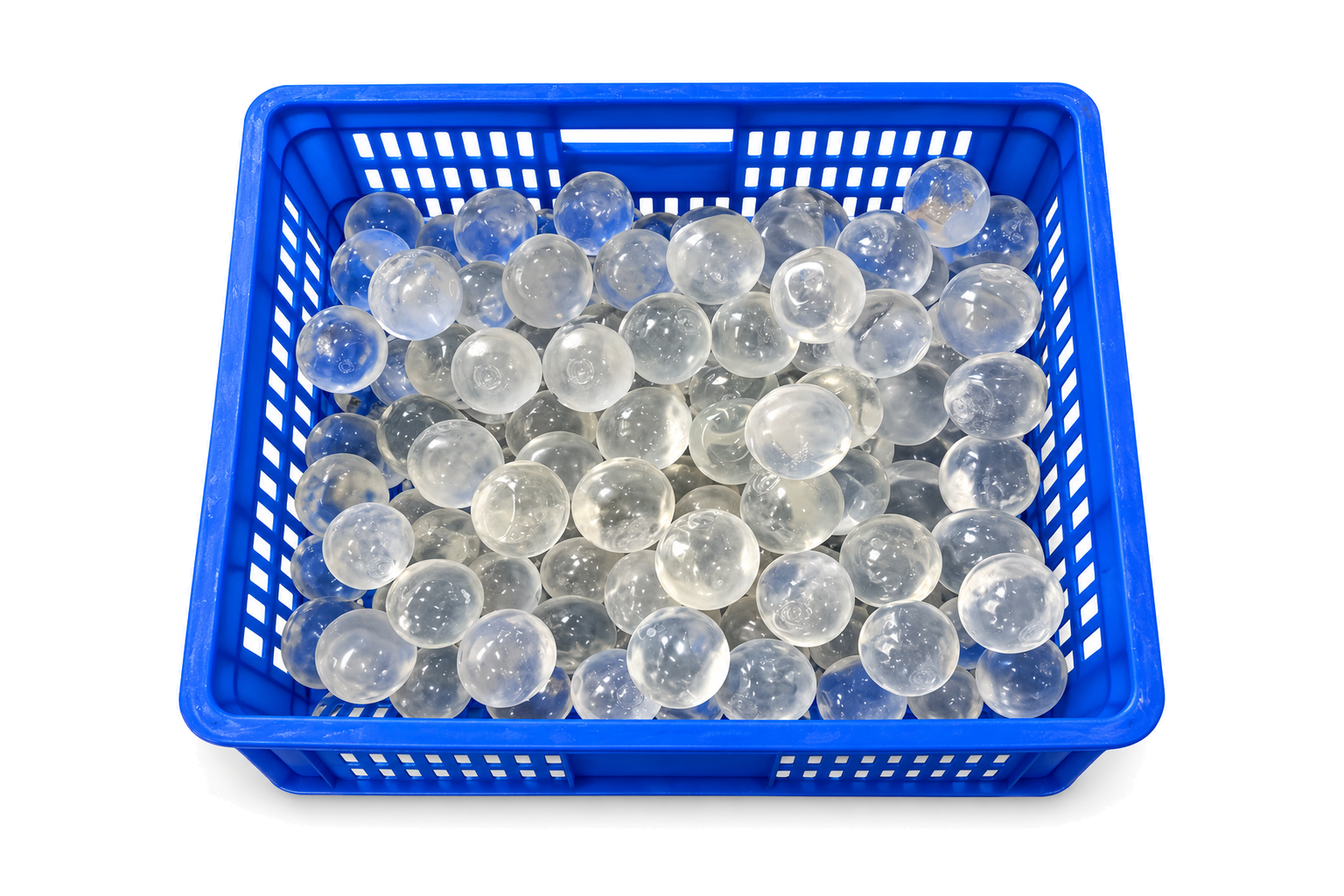
Squishy toy cavity sampling asks whether a particular tool or output source needs adjustment. A pre-shipment inspection asks a different question about the finished lot under its agreed plan. Passing the first review does not guarantee every production piece, and a random final sample may not be designed to compare every available cavity. Document which decision each review supports.
If squishy toy cavity sampling shows a repeatable difference, ask for the supplier’s assessment before classifying the whole tool as unacceptable. The cause might involve tooling, material handling, finishing or another controlled step. Use the available evidence to decide whether to hold approval, request an adjustment or revise a commercial appearance reference. Keep safety concerns outside any negotiated cosmetic allowance.
Approve squishy toy cavity sampling with an honest boundary: which pieces were reviewed, how they were identified and what remained untraceable. That record gives a buyer a more reliable starting point than one polished sample. It also makes a later change easier to investigate without claiming that an undocumented tool produced a uniform, fully verified result.
Read More