

CPSC eFiling for toy importers adds a data handoff to the import process. A buyer may have the correct Children’s Product Certificate and supporting reports, yet still leave the customs broker without the information needed for the shipment’s filing.
For squishy and fidget orders, the practical task is to connect each imported product with accurate certificate data and a clearly assigned filing process.
CPSC’s certificate update identifies July 8, 2026, as the general import effective date, with January 8, 2027, applying to entry from Foreign Trade Zones. Confirm the requirements for your shipment with your broker before goods move.
Table of Contents
Do Not Treat eFiling as a Replacement for Certification
eFiling concerns the transmission of certificate information. It does not perform product testing or establish that a toy complies with applicable requirements.
Start by confirming that the product’s certification has been reviewed. Our children’s product certificate for toys guide covers the certifying importer, supporting reports, and matching the paperwork to the ordered product.
For CPSC eFiling for toy importers, the next coordination question is how the reviewed certificate data will reach the entry filing—and who will confirm that it matches the goods being imported.
Give those tasks separate owners if necessary. The person reviewing test evidence may not be the person communicating with the broker. Both need an agreed product reference and a way to resolve discrepancies.
Before sending a shipment packet, ask the broker what information is needed, in which format, and by what deadline. Avoid assuming that an emailed certificate PDF completes the process.
Agree on the Filing Method Before Sending Data
CPSC’s eFiling FAQs describe two methods: a Full Partner Government Agency (PGA) Message Set and a Reference PGA Message Set.
With the Full method, the broker receives the required product certificate data for filing. With the Reference method, certificate data is entered into CPSC’s Product Registry, and the broker receives three Certificate Identifiers: Certifier ID, Product ID, and Version ID.
The Product Registry is not required for Full filings. It also does not automatically communicate with CBP’s Automated Commercial Environment (ACE); entering a certificate in the Registry does not complete the broker’s filing.
When coordinating CPSC eFiling for toy importers, agree with your broker on the filing method before preparing the shipment’s certificate-data packet.
Ask who prepares the data, who reviews it, and who confirms that the broker has what is needed. If using the Registry, identify who manages access and keeps the certificate records current.
Keep Product Identifiers and Versions Consistent
An internal product nickname can create confusion when it differs from the identifier used in certificate records.
CPSC accepts several Product ID types, including SKU, UPC, and model number. Choose the appropriate type and keep its value consistent across the information you provide.
Our private-label toy barcode requirements guide explains retail identification. For filing coordination, the question is whether the chosen identifier points to the correct product and certificate.
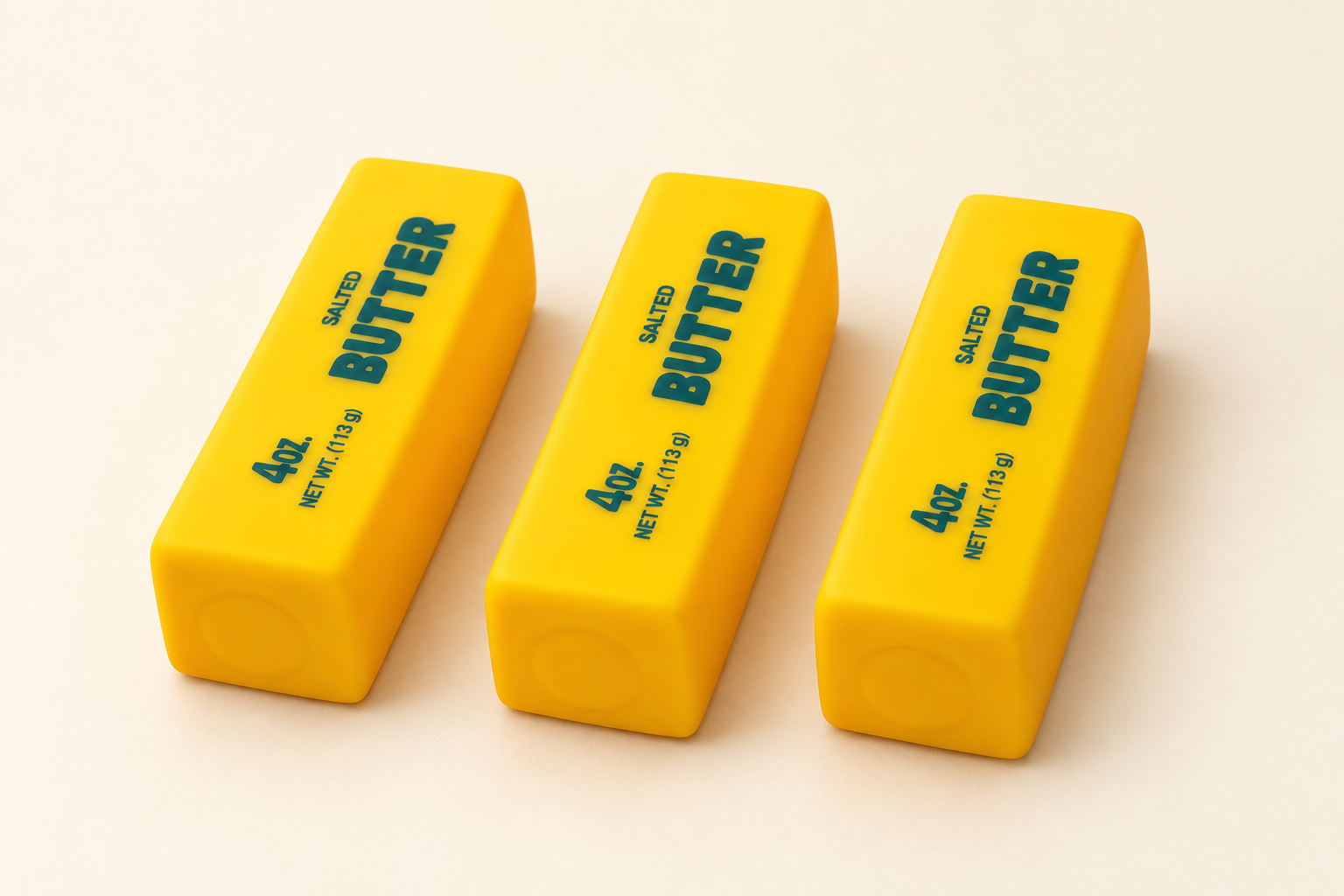
Illustrative example: A buyer orders standard and jumbo versions of a butter squishy. The purchasing sheet calls both “butter toy,” while the supplier uses separate item numbers. Before filing, the team must establish which ordered item corresponds to each certificate record.
CPSC eFiling for toy importers works more smoothly when that relationship is documented before the broker asks for clarification.
Use a simple internal handoff sheet:
| Handoff field | What to confirm |
|---|---|
| Ordered item | Exact SKU and product version |
| Certificate reference | Reviewed certificate covering that item |
| Filing method | Full or Reference, as agreed with the broker |
| Reference identifiers | Certifier ID, Product ID, and Version ID when applicable |
| Data owner | Person responsible for supplying corrections |
| Broker contact | Person receiving the shipment information |
This sheet supports coordination; it is not the complete regulatory data set.
Review Reorders Before Reusing Certificate References
A repeat purchase order does not automatically mean every certificate detail remains unchanged.
Check the production information, testing information, product specifications, and certificate version before reusing the previous shipment’s handoff sheet. Ask the responsible reviewer to resolve differences before the broker receives the packet.
CPSC permits repeated references to a Registry certificate when its details remain identical. Treat that as a condition to verify rather than a shortcut for every reorder.
Build a final review into CPSC eFiling for toy importers: does the ordered product match the certificate record, and does the broker have the current information for this shipment?
Keep the response trail with the purchasing records so someone can reconstruct what was provided and when.
When discussing sourcing through Vilora’s OEM/ODM page, identify the importing entity and broker contact early. Agree on the supplier information needed and its delivery deadline, leaving time to address questions before departure.
Read More