
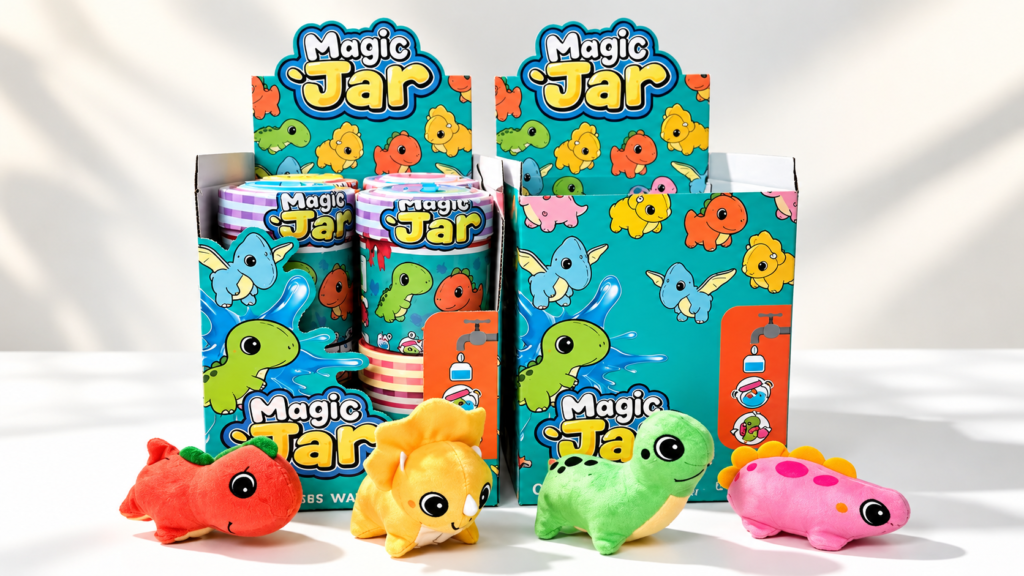
Museum stores need products that fit both the retail environment and the subject matter visitors encounter inside the attraction. Product theme matters, but buyers also need to consider dimensions, construction, packaging, case configuration, customization requirements, and documentation before approving an order.
For buyers sourcing museum gift shop toys wholesale, the practical starting point is to identify which existing products fit the retail program and which ideas would require changes to color, packaging, branding, or product design. Keeping those two paths separate makes it easier to compare available products with custom-development projects.
Table of Contents
Build the Assortment Around the Museum Theme
Different museum stores may need very different novelty assortments. Natural-history stores may consider animal or prehistoric themes, while science centers may look at tactile, movement-based, or fidget formats. Temporary exhibitions and seasonal programs can create different merchandising requirements again.
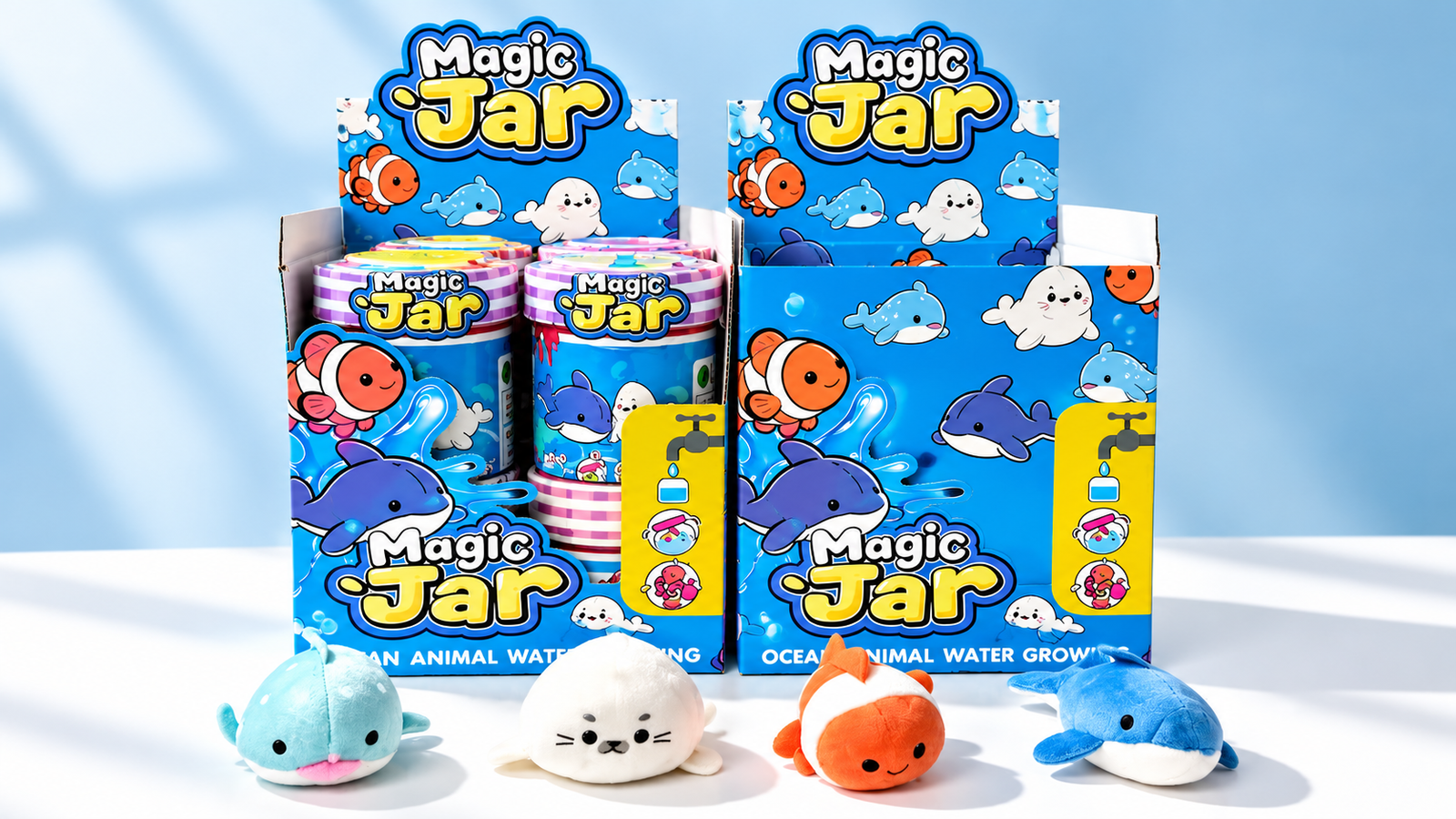
When reviewing museum gift shop toys wholesale, buyers can divide potential products into three groups: existing designs that already fit the theme, existing products that need presentation changes, and concepts that require new development.
This distinction helps prevent a catalog image from being mistaken for a confirmed custom capability. If a project requires a new shape, color treatment, package, or branded presentation, those requirements should be discussed and quoted separately.
For projects that go beyond an existing SKU, Vilora’s OEM & ODM Services explain the broader development workflow for custom toy projects.
Compare the Product Before Approving the Theme
A relevant design still needs to work as a physical retail product.
For museum gift shop toys wholesale, useful specifications can include product dimensions, weight, stated material, construction, filling where applicable, surface finish, available variations, individual packaging, display configuration, and carton information.
Material names alone should not be used to predict performance. Two TPR products, for example, can differ because of formulation, filling, wall thickness, geometry, surface treatment, and manufacturing process. Buyers comparing squishy products should therefore evaluate physical samples for the characteristics that matter to the actual SKU.
A clear Squishy Toy Specification Sheet can keep product dimensions, variations, packaging, and other quotation details attached to the item being reviewed.
Treat Packaging as Part of the Product
Museum merchandise may be displayed individually, in countertop displays, or in branded retail packaging. The appropriate format depends on the product and the merchandising plan.
Before ordering museum gift shop toys wholesale, compare the loose product dimensions with the finished retail package and display footprint. For display-packed products, confirm units per display and how those displays are configured within the shipment.
Custom presentation also needs to be planned before printing. Artwork should match the actual package structure and approved dieline rather than being adapted at the last minute. Vilora’s Squishy Toy Packaging Artwork guide covers dielines, print files, barcode placement, and artwork approval considerations. viloratoys.com
Not every project requires a completely new box. Custom Squishy Toy Inserts also explains how cards, labels, and inserts can be considered when adapting retail presentation without automatically changing the toy itself. viloratoys.com
Define the Order Before Requesting a Quote
A useful quotation needs more than a theme and target price. Buyers should identify the products under consideration, estimated quantity, preferred packaging, destination market, and any customization requirements.
For museum gift shop toys wholesale, it is also important to ask how quantities apply to the actual project. MOQ or assortment rules may differ by SKU, design, color, packaging variation, or development requirement.
Do not assume mixed-design or mixed-color ordering is available simply because several variations appear together in a catalog. If assortment flexibility matters, ask whether it is available for the specific products being quoted.
Private-label projects may introduce another retail requirement: product identification. Buyers preparing branded packaging can review Private Label Toy Barcode Requirements for U.S. Retail before approving UPC artwork or product variations. viloratoys.com
Verify Documentation for the Actual SKU
Museum placement does not create a separate U.S. toy-safety category. Applicable requirements depend on the actual product, intended age, materials, construction, components, dimensions, and other characteristics.
For a children’s product subject to applicable CPSC-enforced safety rules, the responsible domestic manufacturer or importer generally must issue a Children’s Product Certificate based on the applicable testing requirements. The certificate must identify the product and the specific rules to which it is being certified. U.S. Consumer Product Safety Commission
That makes product-specific documentation important when evaluating museum gift shop toys wholesale. Buyers should not treat a generic “CPSC certified” statement, or documentation for a different construction, as evidence for the SKU under review.
For children’s products, tracking information is another distinct requirement: identifying information must be permanently marked on the product and its packaging to the extent practicable. U.S. Consumer Product Safety Commission
Official references: CPSC Children’s Product Certificate guidance and CPSC Tracking Label guidance.
A well-defined museum gift shop toys wholesale project therefore connects the museum theme with the actual product specification, packaging format, order structure, customization needs, and SKU-specific documentation. That gives buyers a clearer basis for comparing products and moving an appropriate project toward quotation.
Read More