Selling the first toy is one thing. Giving someone a reason to buy the second is something else.
That difference gets lost easily when a product line is described as collectible. Add six colors, number the characters, put them into matching packages, and suddenly the word “collection” appears on the sales sheet.
But shoppers do not build collections because a manufacturer created more SKUs.
The strongest collectible toy trends point to something more useful for retail buyers: products that create continuity. One purchase introduces the idea, while another color, character, expression or release gives the shopper a reason to return to it.
That is what separates a product with multiple designs from a product that can actually support collecting.
Table of Contents
Collectible Toy Trends Are Moving Beyond the First Purchase
Collectibles are not limited to one format anymore.
Target’s current collectibles assortment stretches across trading cards, minifigures, character products, mystery boxes and other toy formats. At the same time, physical retailers are giving the category more attention. UK retailer HMV has expanded space for collectibles, trading cards, toys and other pop-culture merchandise; Retail Gazette reported that footfall across its 114 UK stores increased 12% in the first half of 2026 compared with the same period in 2025.
The interesting part for a toy buyer is not simply that collectibles are popular.
It is what happens after someone finds one they like.
A single character can sell because the design is appealing. A series has a harder job. It needs enough connection between products to make them recognizable together, while giving each one enough individuality to justify another purchase.
That balance is where collectible toy trends become a product-development question rather than just a market trend.
A Series Needs a Reason to Continue
Put twelve samples from one proposed collection on a table.
Before looking at the packaging, ask what actually changes from one to the next.
If the answer is only color, that may be enough for some products. A tactile toy with a strong shape and accessible price point can support simple color choice without needing a complicated character universe.
But calling something a series does not automatically make shoppers want the whole set.
Character expression can create another layer. So can different accessories, finishes, themes or tactile experiences. Seasonal additions can extend an established family without rebuilding it from scratch. A later series can introduce something new while keeping enough of the original visual language to remain recognizable.
This is where development can go wrong in both directions.
Make every design nearly identical and there may be little reason to choose another one. Change everything at once and the products stop feeling like members of the same family.
For buyers following collectible toy trends, the useful question is therefore not “How many designs can we make?”
It is:
What changes enough to make the next one worth having?
Familiarity and Difference Have to Work Together
Collectors need recognition.
That can come from a silhouette, face style, material, package format, recurring theme or some combination of those elements. When a new design appears, shoppers should be able to place it within the same product world fairly quickly.
They also need difference.
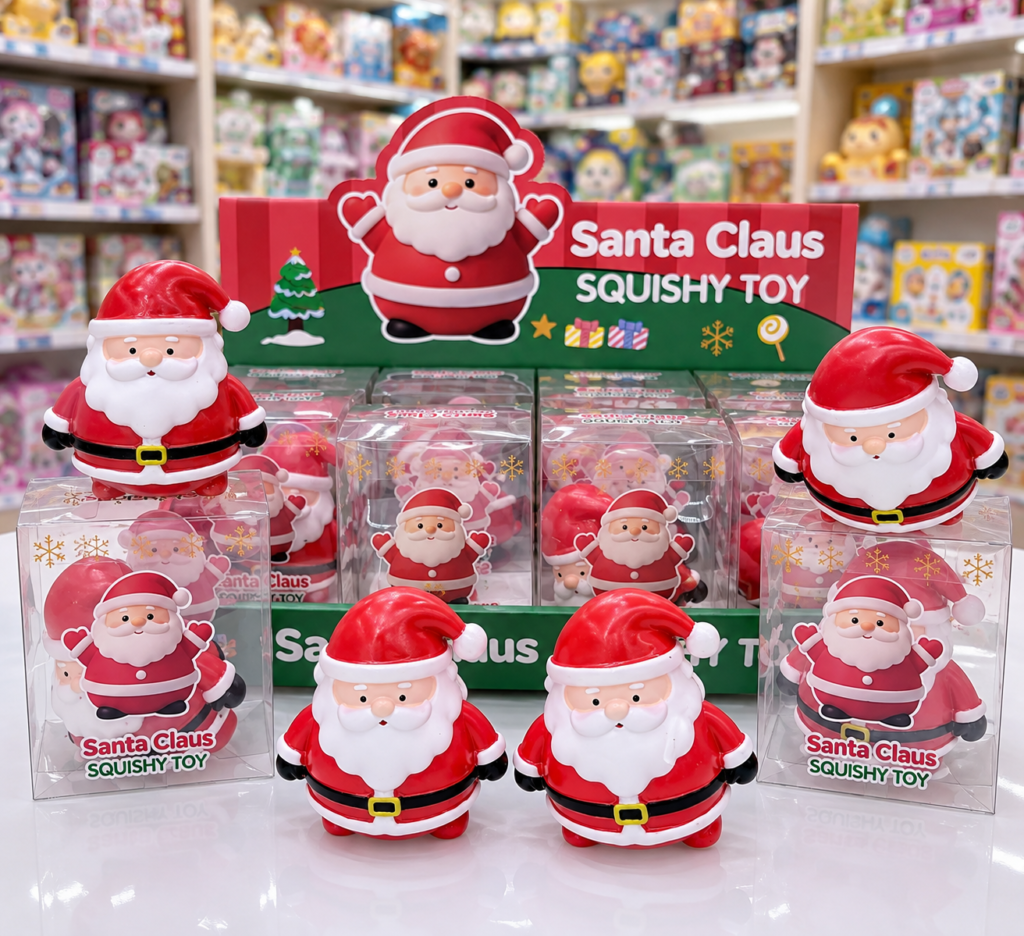
This is why a sample table can tell a buyer more than a spreadsheet. Twelve SKU numbers may look like assortment depth on a quotation. Twelve physical products may reveal that eight of them feel almost interchangeable.
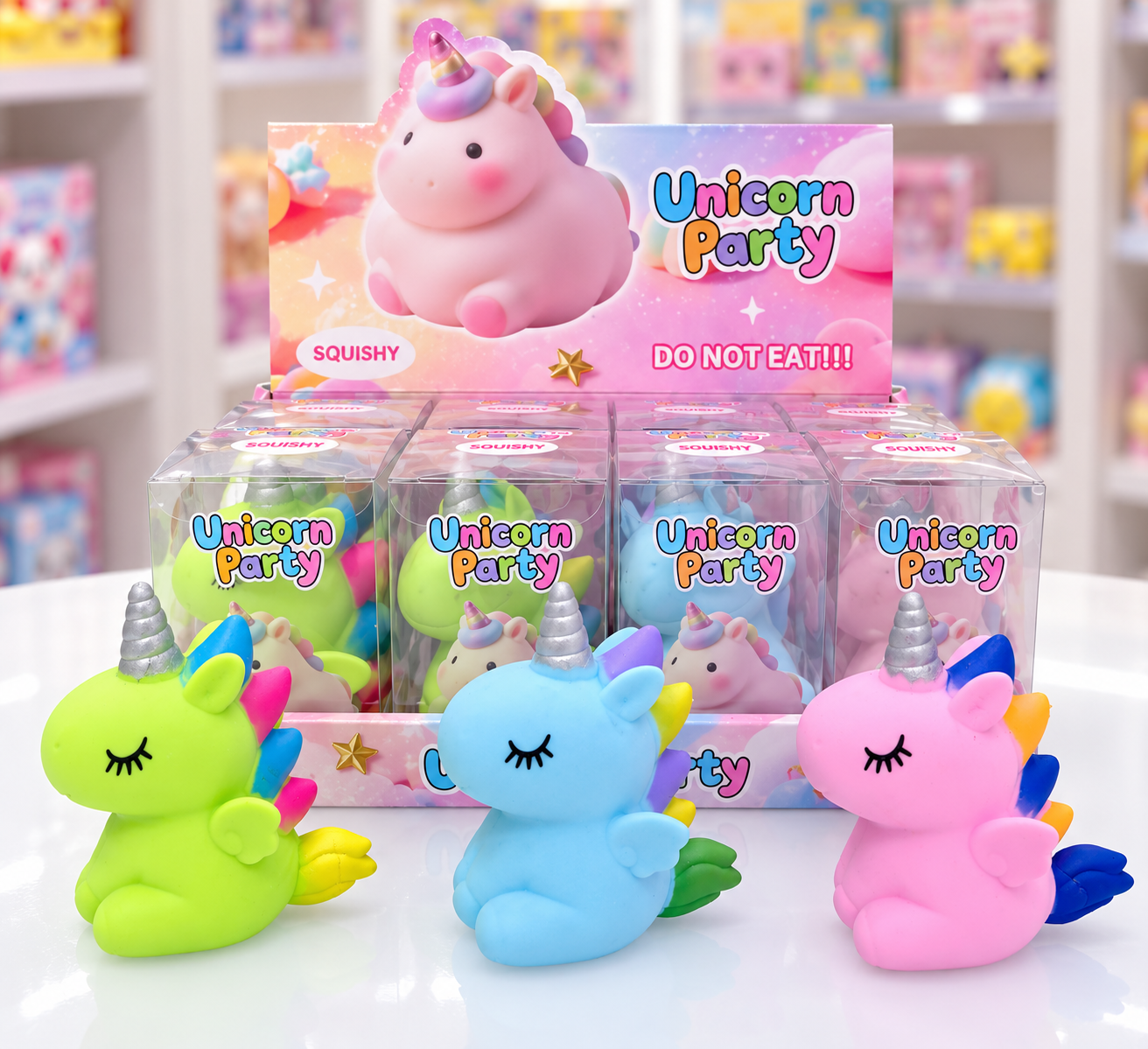
The opposite can happen too. A line may contain plenty of individually interesting toys but lack a visual or conceptual thread connecting them.
Neither problem is solved by adding more designs.
Dentsu’s research into collectible culture found that discovery happens through several channels rather than one dominant source: 47% of surveyed collectors cited friends or family, 46% retail displays and 45% collectible websites or blogs. Among respondents aged 45 and older, in-store displays were particularly important.
That matters because a collection is often encountered as a group before it is understood piece by piece.
At retail, shoppers may first see several characters together in a display. Online, they may encounter a group shot, an unboxing or someone else’s collection. The family resemblance helps the line register as a series; the differences give shoppers something to look for inside it.
Blind Boxes Are One Mechanism, Not the Whole Category
Blind packaging has become one of the most visible parts of collectible toy trends, and the appeal is easy to understand. Surprise changes the purchase from simply choosing a product into discovering which version is inside.
But surprise is only one way to encourage another purchase.
A visible assortment can work because shoppers deliberately choose different expressions or colors. A character family can grow through new releases. Seasonal versions can bring an existing concept back into view. Some products become collectible because they are displayed together; others because shoppers trade them or look for a particular design.
The Toy Association’s 2026 trend research reflects how broad that behavior has become. Its “Express Yourself” trend describes toys as increasingly collectible, wearable, shareable and personal, and reports that 52% of surveyed U.S. parents had purchased a blind-box toy for their children or themselves during the previous year.
The blind box is important in that story, but the larger idea is personal selection and continued participation.
For a retailer or private-label buyer, that creates more than one development path.
A product does not necessarily need hidden packaging or a rare chase figure to create repeat interest. Sometimes the better solution is letting shoppers see the assortment and decide exactly which one belongs in their collection.
Collectible Toy Trends Need Depth, Not Endless SKUs
There is an important difference between launching a collection and leaving room for one to grow.
A first order might contain six or twelve designs. If those products work, what happens next?
Adding another twelve simply because the first twelve sold can weaken the line surprisingly quickly. Shelves become crowded with minor variations, older designs remain in inventory and the shopper has difficulty seeing what is actually new.
A stronger collection has some structure.
Core designs can remain recognizable. New additions can arrive around a theme or release rather than appearing randomly. A seasonal version can feel temporary without making the original assortment obsolete. When a product family has enough identity, the next release can build on something shoppers already understand.
The current retail environment gives buyers a reason to think beyond the first shipment. HMV’s expansion of collectible and pop-culture space is one example of physical retail responding to younger shoppers who increasingly use stores as places to discover products and share interests, not simply complete a planned transaction.
That makes the long-term question behind collectible toy trends more interesting than “How many pieces should be in Series 1?”
It becomes:
If Series 1 works, is there a believable Series 2?
Look at the Collection Before You Look at the SKU Count
When buyers review a collectible concept, the individual product still matters. Material, size, packaging, target price and quality all have to work.
But the line should also be viewed from a few steps back.
Put the proposed assortment together. Remove the SKU numbers. Ignore the sales presentation for a moment.
Can you tell these products belong together?
Can you also tell them apart?
Would someone who owns one immediately understand why another is different?
And if the first assortment succeeds, is there somewhere for the idea to go without simply repeating itself?
Those questions are more useful than deciding that twelve designs are automatically stronger than six.
The most durable collectible toy trends are not really about producing more things to collect. They are about creating enough continuity that another purchase makes sense.
A good first product gets chosen.
A good collection gives the next product a reason to exist.
Related Reading