
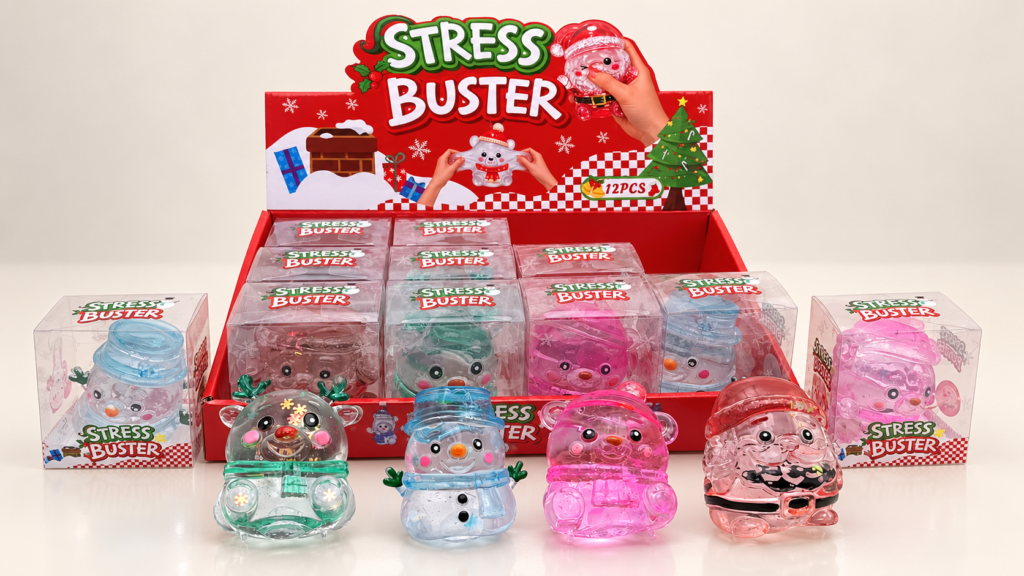
A toy wholesale backorder policy explains what happens when a supplier accepts an order but cannot immediately fill every item. For squishy buyers, the important questions are practical: Will available products ship first? Will the missing items follow automatically? Who pays the additional freight?
Those details can change whether an order still makes commercial sense.
A delayed everyday bestseller may be worth waiting for. A seasonal squishy arriving after the display comes down may have much less value. Before accepting a backorder, establish what remains open and what choices are available.
Table of Contents
Confirm Exactly What Is Still on Order
Start by identifying the affected SKU, quantity, and packaging version.
“Some colors are unavailable” is not enough information for a buyer planning a mixed display. Ask whether the shortage affects individual colors, complete display boxes, or the entire item.
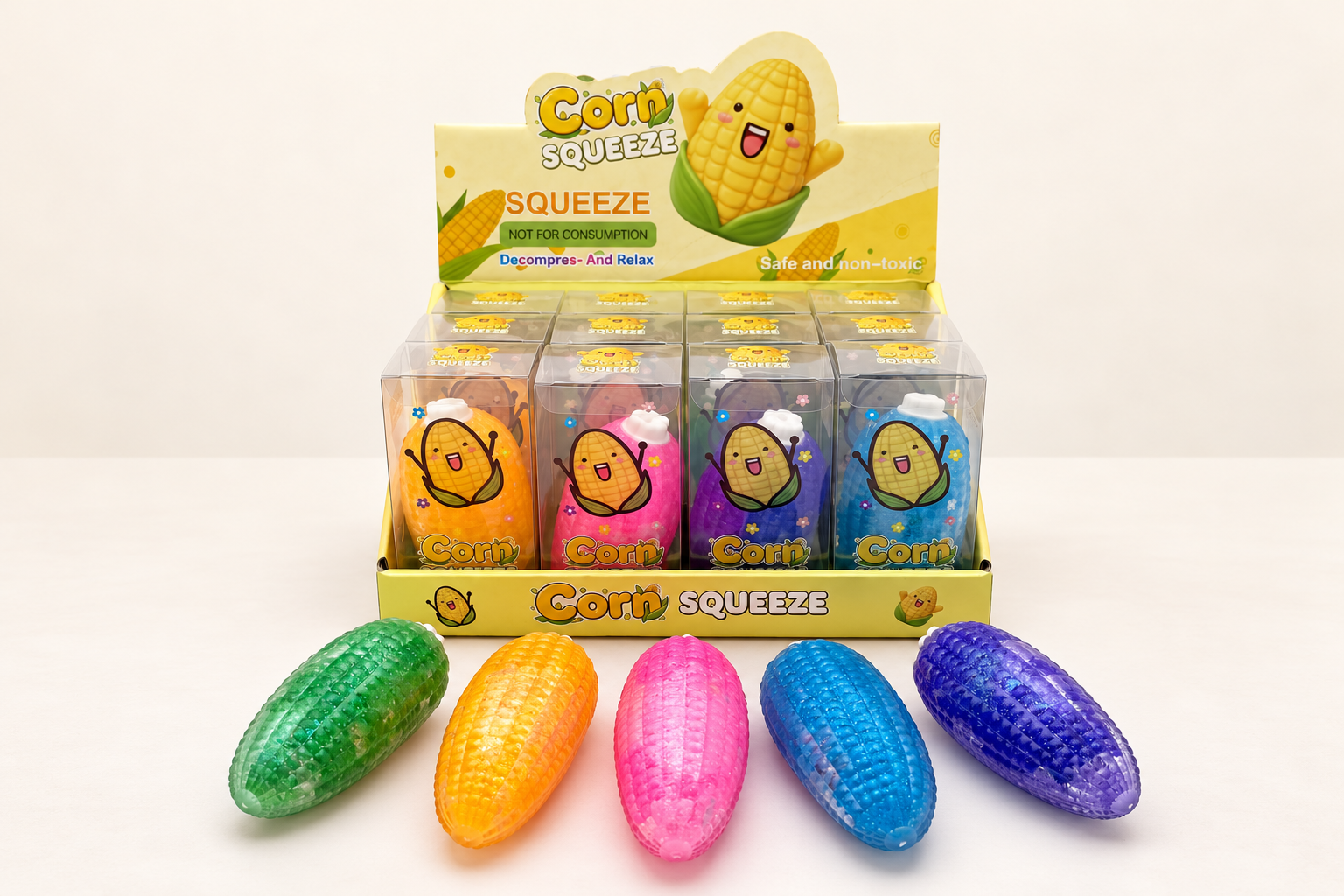
Also clarify what the quoted date means. Is it the expected factory completion date, arrival at the supplier’s warehouse, or dispatch to your business? None automatically means delivery to your receiving location.
Solobo’s wholesale policies state that backordered items ship as they become available and explain that a stated shipping month refers to dispatch within that month. This illustrates why buyers should distinguish shipment timing from arrival timing.
Our Squishy Toy Lead Time guide covers planning the original schedule. Reviewing a toy wholesale backorder policy addresses the next question: what happens when part of that schedule changes?
Compare Waiting With a Separate Shipment
A partial shipment can get available merchandise onto the shelf sooner, but it may create another freight bill and additional receiving work.
Before approving it, request the revised shipping arrangement. Check whether the remaining goods will ship automatically, whether approval is required, and whether the original shipping quote or free-shipping offer still applies.
Couronne’s published wholesale terms illustrate the issue: the company assigns shipping charges to each shipment and adjusts freight for backorders or split orders. Those are Couronne’s terms; buyers need to confirm the terms attached to their own order.
Illustrative example: A retailer orders six display boxes, but two are unavailable. Shipping four now may be sensible if they support an immediate shelf reset. If the remaining two require a costly separate shipment, waiting or removing those lines may work better.
A useful toy wholesale backorder policy review compares the complete cost of each option, not just the price of the missing toys.
Approve Substitutions Against the Original Requirements
A similar-looking squishy is not necessarily a suitable replacement.
A substitute may have different dimensions, filling, packaging, age labeling, or case quantities. Those differences matter when the original item was selected for a particular fixture, price point, or customer program.
Request the replacement SKU and current specification before approving a swap. Compare:
- Product size, material, and filling.
- Individual packaging and display-box format.
- Units per case and revised unit price.
- Applicable labeling and supporting product records.
Use the original Squishy Toy Specification Sheet as the comparison point. If the replacement changes an important buying requirement, resolve that difference before shipment.
Record approval for the exact substitute. A general instruction such as “send something similar” leaves too much room for misunderstanding.
Set a Decision Date and Resolve Unshipped Items
A toy wholesale backorder policy should be read alongside your own selling deadline.
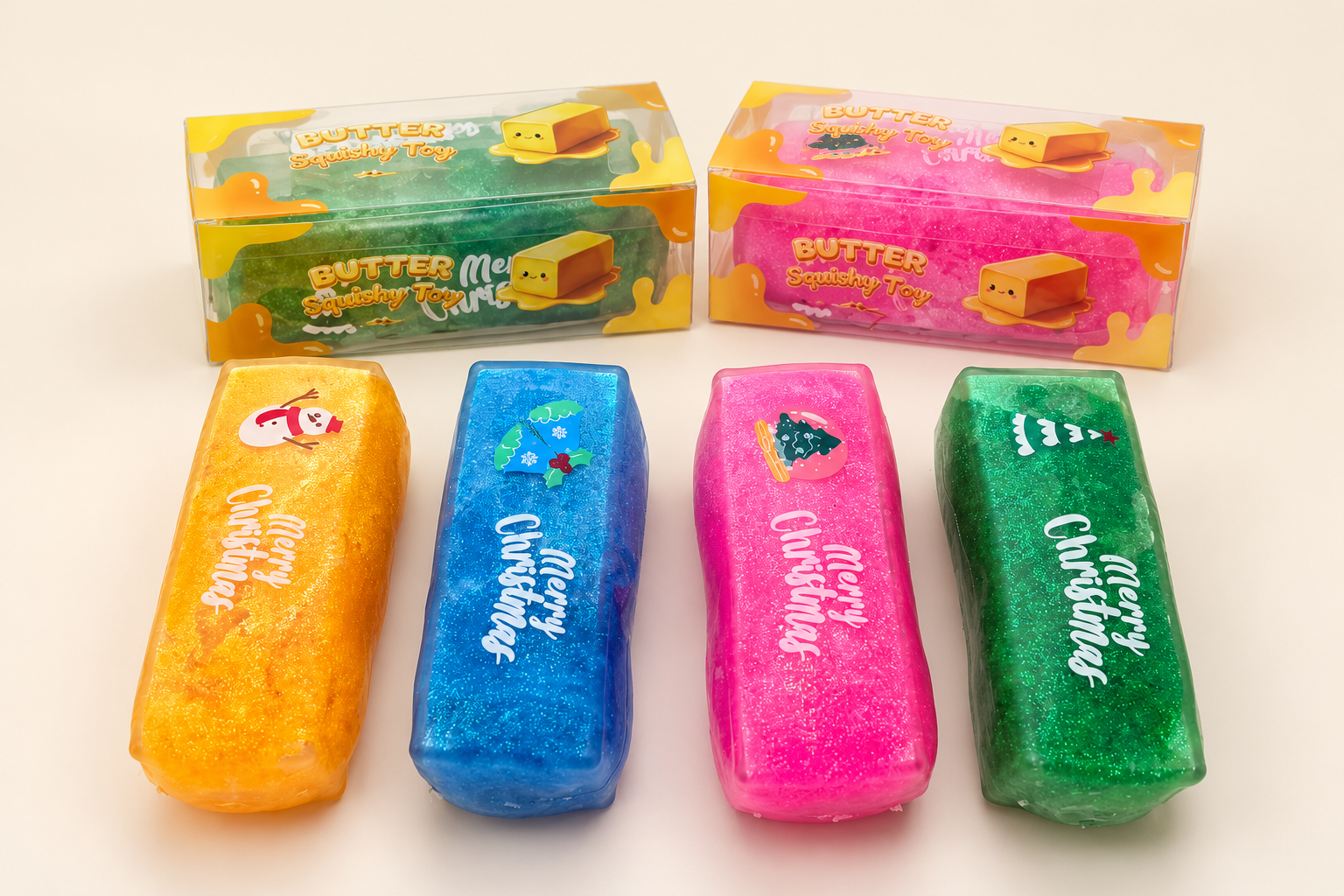
Tell the supplier the latest useful arrival date, then ask what action is possible if the expected timing slips. Specify whether you want an update, a proposed substitute, or a cancellation request reviewed.
Cancellation conditions vary. Confirm whether an unshipped line can be removed, whether charges apply, and how any prepaid amount would be handled. Do not assume that a cancellation request has been accepted until the supplier confirms it.
Keep a simple record:
| Item to record | What the buyer needs |
|---|---|
| Open balance | SKU, packaging version, and unshipped quantity |
| Revised timing | Expected dispatch and estimated arrival |
| Shipping decision | Hold together or approve separate shipments |
| Replacement decision | Exact substitute approved or declined |
| Financial adjustment | Confirmed charge, refund, or account credit |
| Next action | Responsible contact and review date |
After a partial delivery, reconcile the packing slip and invoice against that record. Any unshipped quantity should remain clearly identified rather than disappearing into an old email thread.
When discussing an order through Vilora’s OEM/ODM page, identify deadline-sensitive items and ask how availability changes would be handled for that quotation.
The value of reviewing a toy wholesale backorder policy is knowing what happens next. Keep the remaining quantity, shipping instructions, and financial adjustment clear before committing to another delivery.
Read More