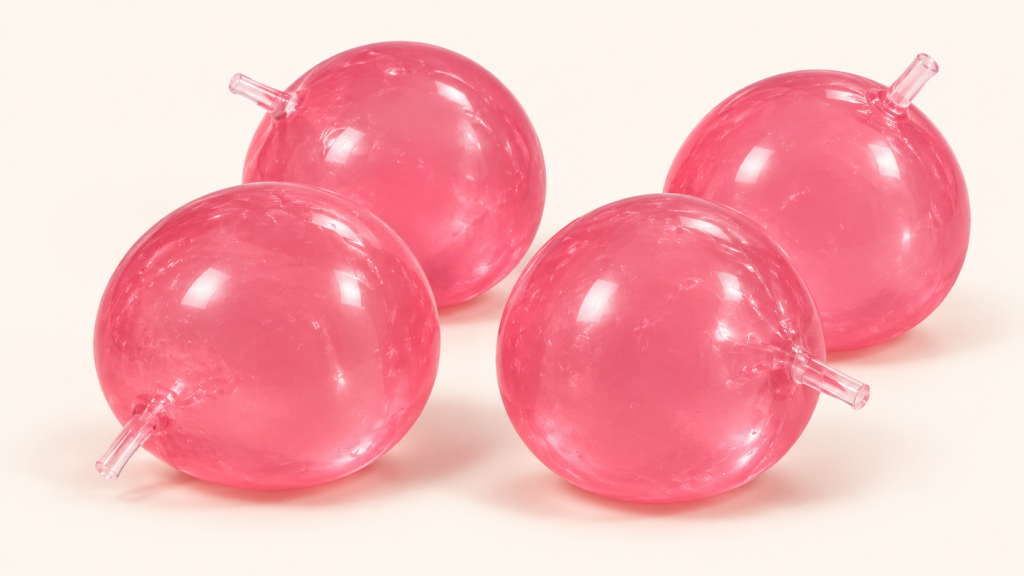
Is the stuff inside stress balls toxic to humans? Some common fillings have low toxicity when a small amount is swallowed, but that does not make every stress ball harmless. The actual product, amount involved, and way someone came into contact with it determine what to do next.
If an exposure has already happened, call U.S. Poison Control at 1-800-222-1222 for individual guidance. If someone collapses, has a seizure, has trouble breathing, or cannot be awakened, call 911 immediately.
A white paste, clear gel, or handful of colorful particles cannot reliably identify a formula. Keep the toy out of use and save its packaging while you get help.
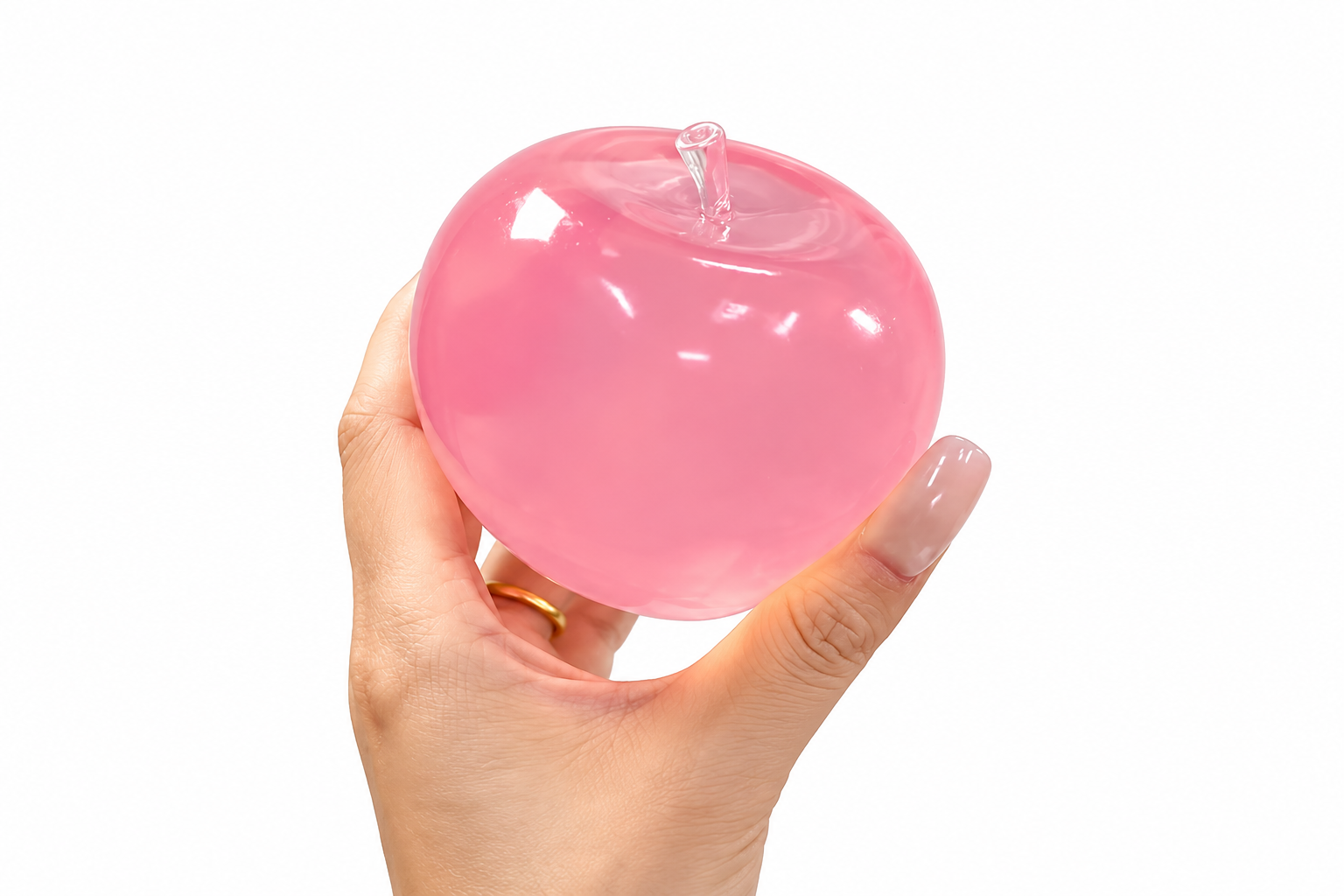
Table of Contents
The Filling’s Appearance Cannot Answer the Question
A parent finds sticky material on a child’s hands and asks, “Is the stuff inside stress balls toxic to humans?” The first useful detail is the product’s identity—not whether the spill resembles glue, dough, or syrup.
The National Capital Poison Center describes common squishy-toy fillings as minimally toxic when a child swallows a small amount. Its guidance also identifies concerns involving irritating ingredients, counterfeit products, choking, and burns.
That distinction matters. A general description of typical exposures cannot establish what is inside an unmarked toy or predict the outcome of a particular incident.
To answer “Is the stuff inside stress balls toxic to humans?” for a specific item, look for the manufacturer, product name, model, and any ingredient information. A listing that says TPR may identify only the outer shell. Our squishy toy filling materials guide explains why shell and filling descriptions belong separately in a product record.
Do not cut open another toy to compare the contents or taste the material to identify it.
Low Toxicity Does Not Remove Every Hazard
Is the stuff inside stress balls toxic to humans if the package says “non-toxic”? That wording does not mean the contents are edible or that every exposure is risk-free.
The Iowa Poison Control Center explains that assessment depends on the product, amount, person’s age, and circumstances. It recommends seeking guidance after exposure rather than relying on the label or waiting for symptoms.
Three concerns deserve separate attention:
Choking or blockage. Released pieces can create physical hazards. Expandable water beads are a particular concern because swallowing them can cause intestinal obstruction. An unidentified particle should not be assumed harmless.
Hot filling. Heating can turn a squeeze toy into a burn hazard. The CPSC’s squishy-toy safety alert warns against microwaving these toys and leaving them in hot environments.
Unknown ingredients. A familiar shape or texture does not establish composition. Missing manufacturer information makes product identification harder.
After Contact, Focus on What Happened
When someone asks, “Is the stuff inside stress balls toxic to humans?” during an incident, avoid delaying help while searching for a complete ingredient list.
Stop further contact and follow Poison Control’s first-aid guidance:
- Swallowed contents: Do not induce vomiting. Contact Poison Control for instructions.
- Material in the eyes: Start rinsing immediately with plenty of room-temperature water for 15–20 minutes. Remove contact lenses.
- Material on the skin: Remove contaminated clothing and rinse the exposed skin with running water for at least 15 minutes.
Get expert advice alongside these initial actions. Severe symptoms require urgent medical attention.
You do not need to resolve “Is the stuff inside stress balls toxic to humans?” before making the call. Be ready to describe the person’s age, time of exposure, approximate amount, symptoms, and whether the toy was heated. Have the packaging or a product photograph available if possible.
A clear account of the incident helps more than guessing that the filling is probably the same as another brand’s.
Retailers Should Preserve Details, Not Offer Reassurance
A customer asking “Is the stuff inside stress balls toxic to humans?” needs a useful response rather than a blanket promise about the category.
Direct exposure questions to Poison Control. Separately, record the product reference, purchase information, and reported damage so the supplier can identify the affected item. Do not tell a customer that a material is safe to swallow because the toy passed testing for its intended use.
For products selected from a toy range, retain the identifying information and warnings supplied for each version. Keep customer reports separate from confirmed findings; a photograph of escaped filling does not establish why the toy failed.
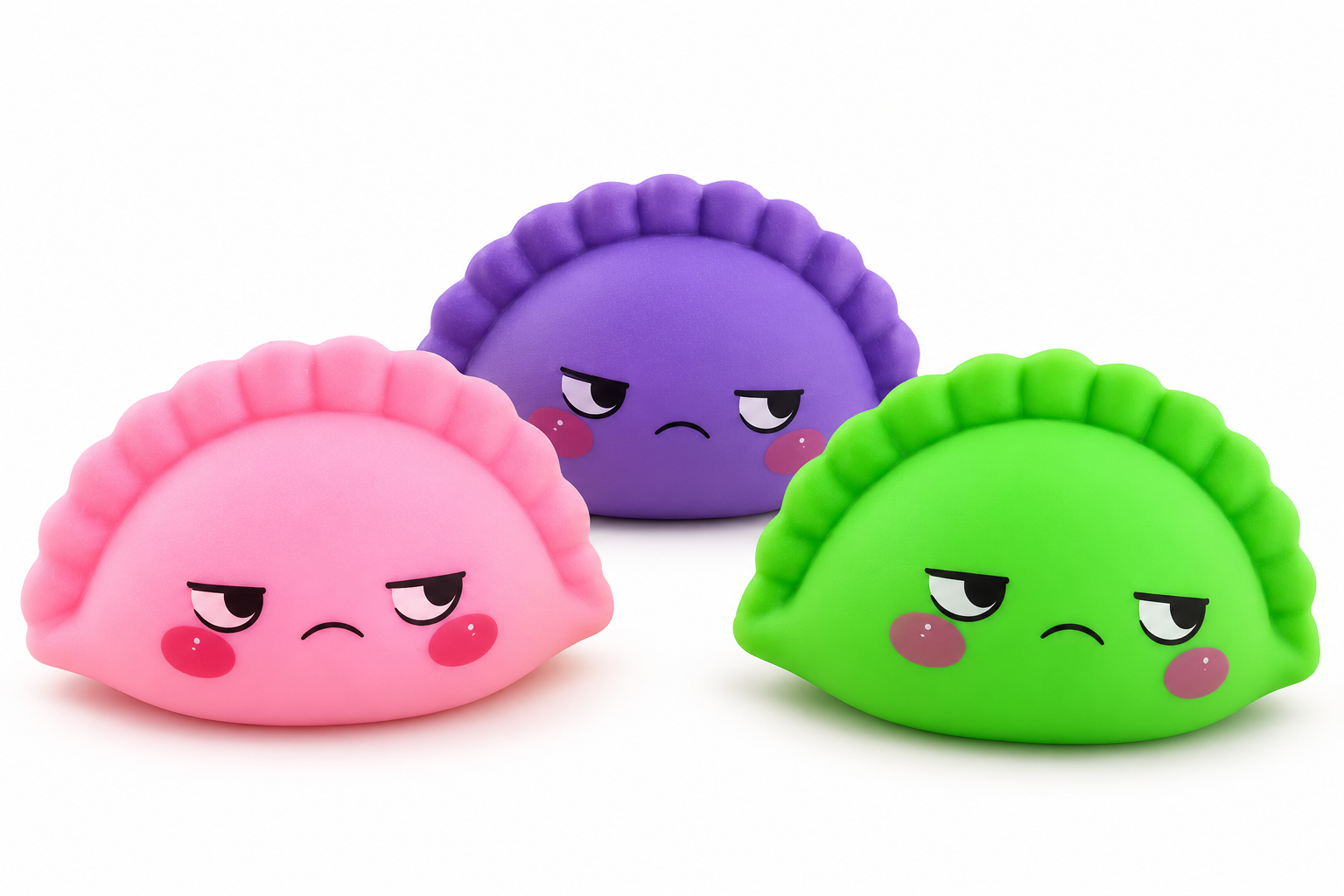
Is the stuff inside stress balls toxic to humans? The responsible answer stays tied to the actual product and exposure. Remove leaking toys from use, prevent further contact, and get individual guidance instead of relying on appearance or a general safety claim.
Read More