
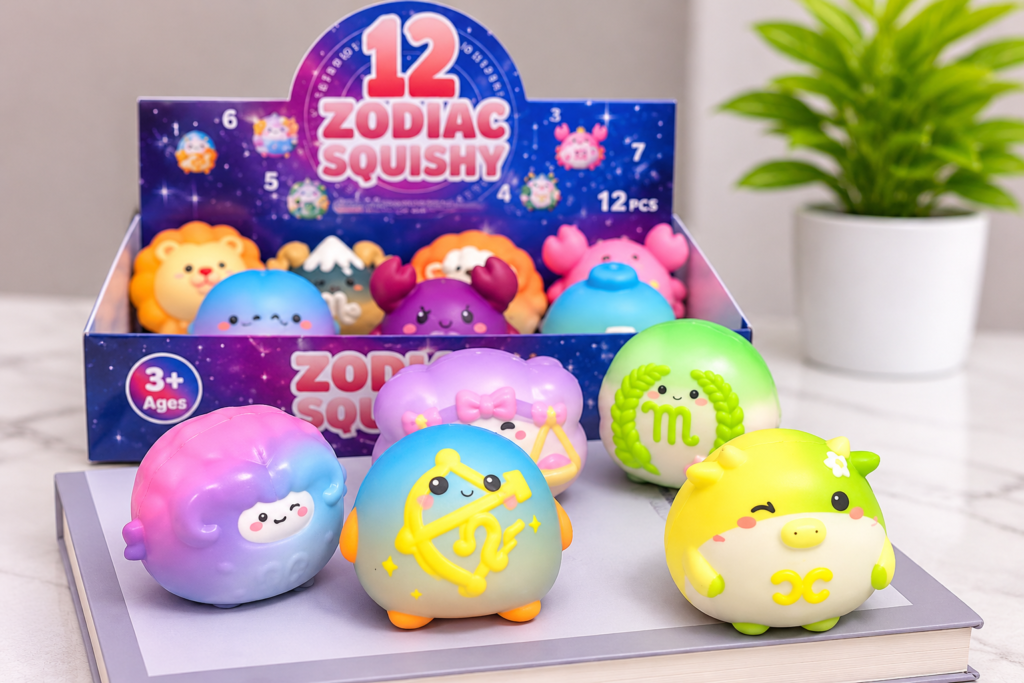
Printing logos and facial graphics on soft TPR toys can be challenging because the formulation, surface additives, decoration method, and repeated flexing all influence ink adhesion. Some compounds print acceptably with a compatible ink system; others may need cleaning, primer, plasma, flame, or corona pretreatment.
Evaluating corona treatment for tpr toy printing means deciding whether corona is appropriate for the particular shape and compound—not treating it as a universal requirement. Buyers should compare sample results before approving a branding process.
Table of Contents
Identify the Actual TPR Surface and Ink System
TPR is a broad material category. Surface energy, oil migration, mold-release residues, and ink compatibility vary substantially between formulations.
When evaluating corona treatment for tpr toy printing, printing engineers address two surface barriers:
- Low Surface Energy: Some low-energy TPR surfaces wet poorly with certain inks, but the result depends on the compound and chosen ink.
- Residual Mold Release and Surface Oils: Trace molding lubricants or migrating mineral oils create a microscopic boundary layer that blocks mechanical and chemical ink bonding.
- Dynamic Substrate Flexing: Unlike rigid plastic pens or mugs, a squeeze toy stretches dramatically under palm pressure. An incompatible ink or poorly prepared surface may crack, rub off, or delaminate during repeated flexing.
A suitable pretreatment may improve wetting, but durable adhesion must be demonstrated on the finished decorated sample.
Compare Corona, Plasma, Primer, and Other Pretreatments
Corona discharge can modify a polymer surface, but conventional systems are often better suited to accessible surfaces than deeply recessed, irregular three-dimensional toy shapes. Atmospheric plasma, compatible primers, or other supplier-qualified methods may offer better coverage.
Before specifying corona treatment for tpr toy printing, ask the factory to compare relevant options:
- Accessible Surface Activation: Corona or plasma may improve wetting on compatible compounds; the supplier should show that the treatment reaches the actual logo area consistently.
- Cleaning and Primer Compatibility: Removing mold-release residue or using a qualified primer may be necessary; do not assume electrical treatment alone removes all surface oils.
- Process Timing: Surface activation can decay or be affected by additive migration, so record the interval between treatment and printing during sample trials.
Ask the supplier to document the selected process and verify adhesion after curing and repeated squeezing.
Verify Surface Wetting and Flexible Ink Curing on Samples
Commercial buyers do not need to operate electrical equipment themselves, but they should verify that suppliers validate surface preparation before mass printing.
When auditing pre-production samples for corona treatment for tpr toy printing, quality teams check practical indicators:
- Wetting Checks With Limits: Dyne liquids can offer a screening indication on suitable accessible surfaces, but ASTM D2578 specifically addresses polyethylene and polypropylene films—not a validated pass/fail adhesion test for curved TPR toys.
- Compatible Ink Selection: Ask the decorator to identify an ink and cure schedule qualified for the exact TPR formulation and required flexing; no single ink family is suitable for every SKU.
- Defined Durability Checks: After the specified cure, perform a documented flex-and-rub comparison on multiple samples, with agreed acceptance criteria and the approved reference sample.
Documenting sample print durability ensures corona treatment for tpr toy printing translates into reliable production quality.

Coordinate Custom Branding Specifications and Safety Rules
In addition to adhesion durability, all decorative inks applied to novelty toys must satisfy destination market chemical regulations.
For children’s toys, applicable coating and substrate limits depend on the component and regulatory scope. Review the CPSC lead-in-paint guidance alongside product-specific test requirements rather than treating every decorative ink as the same coating category. For printed novelty products, ask for ink specifications and a signed decorated sample before production. Explore our novelty toys catalog and discuss decoration feasibility through our OEM and ODM customization services with your vector artwork, desired decoration area, and estimated volume.
Read More