
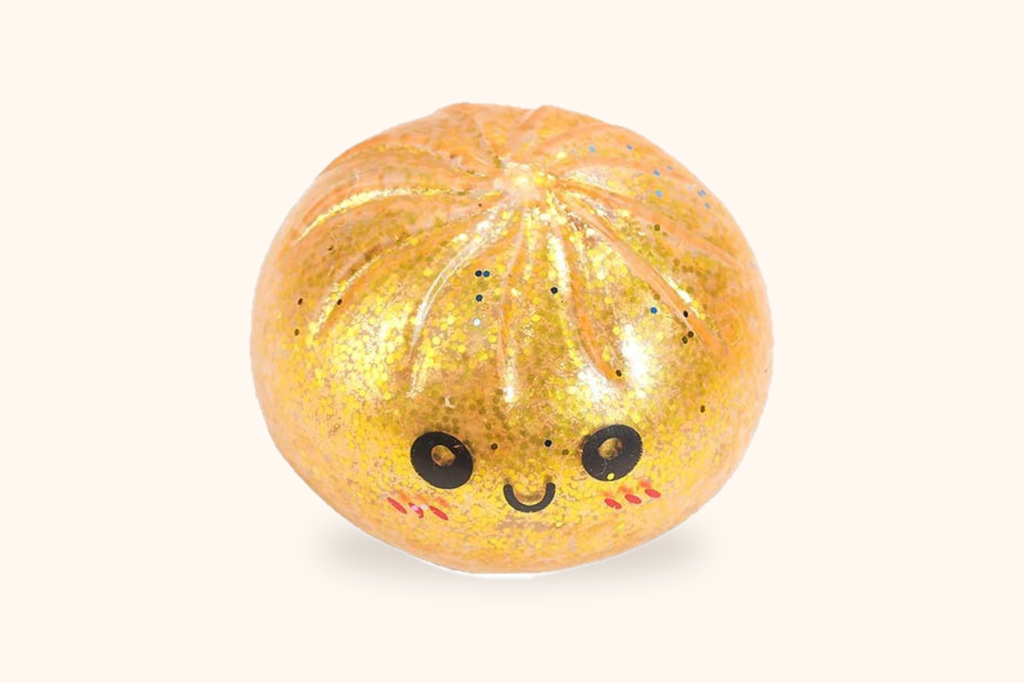
A buyer hears that Europe has banned glitter and assumes every glitter-filled sensory toy must be withdrawn. EU glitter toy restrictions require a closer look at the material and how it is used. Official guidance distinguishes several situations, including loose glitter and certain contained or incorporated uses. Importers should review the actual construction and applicable conditions rather than deciding from a sparkling photograph, a competitor’s product name or a blanket statement about all glitter products.
Table of Contents
Read EU glitter toy restrictions by the actual use
The European Commission’s microplastics restriction guidance explains distinctions affecting glitter, including uses involving technical containment or incorporation into a solid matrix under stated conditions. That is not a universal exemption for anything sold as a glitter toy. The responsible reviewer needs the actual material and use to determine how the restriction applies. Do not infer the legal outcome from the presence of a transparent outer body or the claim that a toy is sealed.
The Commission’s REACH restrictions overview also identifies the restriction and its application to products such as toys containing loose plastic glitter. Use that official context for EU glitter toy restrictions rather than an undifferentiated ban headline. Keep loose material, surface decoration and filling-related uses distinguishable in the product brief. A broad trade description can hide the very construction details that the compliance review needs to understand.
Ask for facts about the material and construction
Identify where the glitter is located and what the supplier can confirm about the relevant material. Keep the answer tied to the exact SKU and version. A photograph of a glitter-filled toy can identify the proposed visible configuration, but its name and photograph do not establish the legal classification of its contents or the adequacy of containment. Ask for appropriate supporting information rather than inventing a detailed composition from the visual effect.

For EU glitter toy restrictions, distinguish a supplier’s factual description from a compliance conclusion. The supplier may identify components and construction while a qualified reviewer determines the relevant legal treatment. Keep unresolved questions visible and identify who can obtain the missing information. Do not describe a toy as microplastic-free, biodegradable or exempt simply because another supplier uses those terms for a different material or construction.
Prepare the material request around the exact SKU: where the decorative particles sit, the supplier’s material identification, the finished construction and the intended use. Keep supplier statements, supporting records and the reviewer’s conclusion in separate fields. If a proposed filling or decoration changes, identify the affected version before reusing an earlier assessment. A product photo can document the visible configuration, but it cannot establish composition, biodegradability or a legal derogation.
Review the finished use rather than a material label alone
Consider how the actual product is supplied and used, including the relevant construction and accompanying instructions. The restriction’s conditions need their own review; a material name or an isolated sample does not necessarily answer every question. Avoid turning a purchasing conversation into an improvised test for legal containment. Ask the appropriate professional what evidence is relevant and whether changes to the proposed version affect the assessment.
EU glitter toy restrictions should be kept separate from the decorative brief. The custom glitter discussion concerns the intended appearance and development questions, while this review concerns the applicable restriction. A buyer may like a visual effect and still need more information before selecting the actual product for Europe. Keep that distinction clear so an approved color or sparkle level is not mistakenly recorded as approval of every relevant chemical or product requirement.
Make a product-specific sourcing decision
Record the EU glitter toy restrictions review against the product reference, confirmed construction and advice received. If the supplier proposes a different filling, decoration or material, return the affected questions to the reviewer. Do not reuse a conclusion for a similar-looking toy without establishing that the facts remain relevant. The useful procurement record explains what was reviewed and what remains open, rather than merely attaching an article about the glitter ban.
Send Vilora the proposed glitter effect, actual product reference and intended EU destinations through the quote request page. Ask which construction and material information is available for EU glitter toy restrictions review. The current squishy range can support a comparison of formats, but no listing alone establishes compliance with a particular derogation. Make the decision from the actual information and qualified assessment, without promising that every filled toy is automatically permitted or prohibited.
Read More