

A catalog may call a squishy toy TPR, while the finished item also contains filling, printed details and packaging. That broad label helps describe the product family, but it does not answer every material question an importer needs resolved. Squishy toy material declarations should identify the actual finished SKU and its relevant components. Their value comes from a clear scope and a connection to the submitted sample, rather than from a familiar acronym or a supplier’s general statement that all its products are compliant.
Table of Contents
Scope squishy toy material declarations to the finished SKU
Ask for the product identifier, variant, revision and date on squishy toy material declarations. The document should make clear which body, filling, surface treatment and other relevant components it covers. For an assortment, identify which information is shared and which differs by color, shape or finish. A statement covering an unspecified family leaves the buyer unable to judge its applicability.
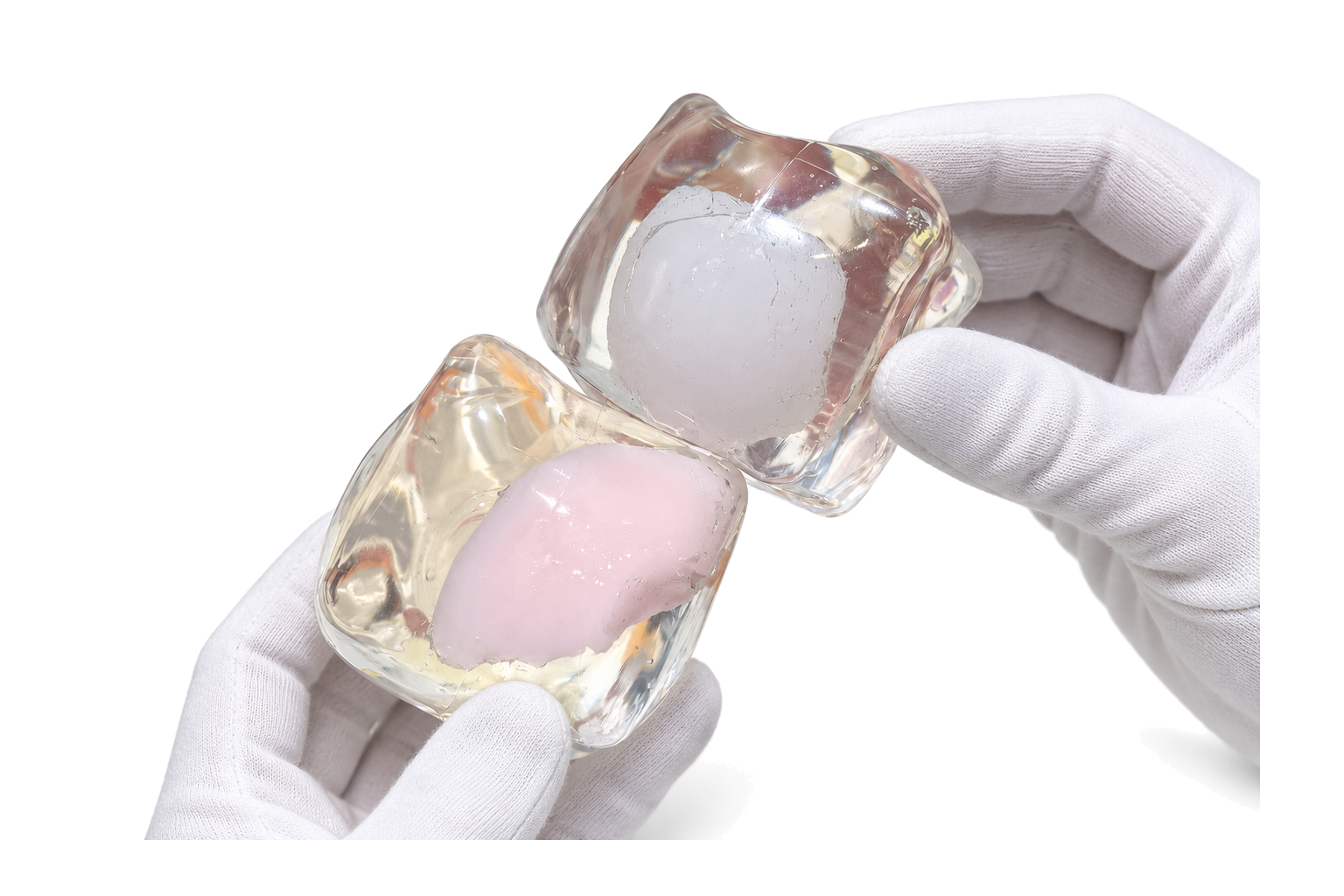
Vilora’s panda squishy is currently described with a TPR outer body and clay filling. The stretchy squishy cube is listed as TPR with several appearance options. Those public descriptions are useful starting points, not complete declarations for a particular order. Do not infer a detailed formula, additive package or chemical assessment from a transparent appearance or a product photograph.
Check naming consistency across squishy toy material declarations and product specifications. A legacy product nickname or URL may contain a material word that no longer matches the current specification. Ask the supplier to resolve the discrepancy in writing. The declaration, specification and sample identification should describe the same construction before the buyer links them to a laboratory report or approves final product copy.
Ask for useful disclosure without inventing a formula
Explain which purchasing and compliance questions squishy toy material declarations must support. A supplier may protect confidential formulation details while providing appropriate component descriptions and arranging relevant laboratory information through a suitable channel. Do not present a missing trade-secret recipe as proof of wrongdoing. Equally, a generic confidentiality response does not answer a request to identify the construction being supplied.
The WIPO trade-secret overview provides context for confidential business information. It does not excuse inaccurate declarations or remove an importer’s responsibilities. If restricted information is needed by a qualified testing provider, agree on a practical disclosure route. Keep the buyer’s approval record clear about which facts were confirmed and which remain unavailable.
Avoid importing attractive claims from another manufacturer’s page. Food-grade, non-toxic, medical or antimicrobial language needs appropriate substantiation and may raise additional questions. A component name alone does not establish such a claim for the finished toy. Request the evidence relevant to the intended product and market rather than adding labels because competitors use them.
Connect the declaration to testing and change control
Squishy toy material declarations are not test reports, and neither document type should be treated as an all-purpose certificate. Review the product and component scope of supporting records with the responsible importer or compliance provider. The CPSC testing and certification overview explains U.S. responsibilities at a broader level; the applicable requirements still depend on the actual children’s product and its intended use.
Ask how material or process changes will be communicated before production. A new filling, colorant, coating or packaging component may require a review of the existing evidence. Keep a revision link between the approved reference, declaration and any relevant supporting report. A current-looking date on a generic file cannot demonstrate that it covers the submitted variant.
For a buying team, the useful outcome is a document set that another reviewer can follow without guessing. Squishy toy material declarations should answer what the finished toy contains at an appropriate component level, which SKU the statement covers and what evidence supports the applicable claims. Leave unverified attributes out of product copy until that chain is clear.
Read More