
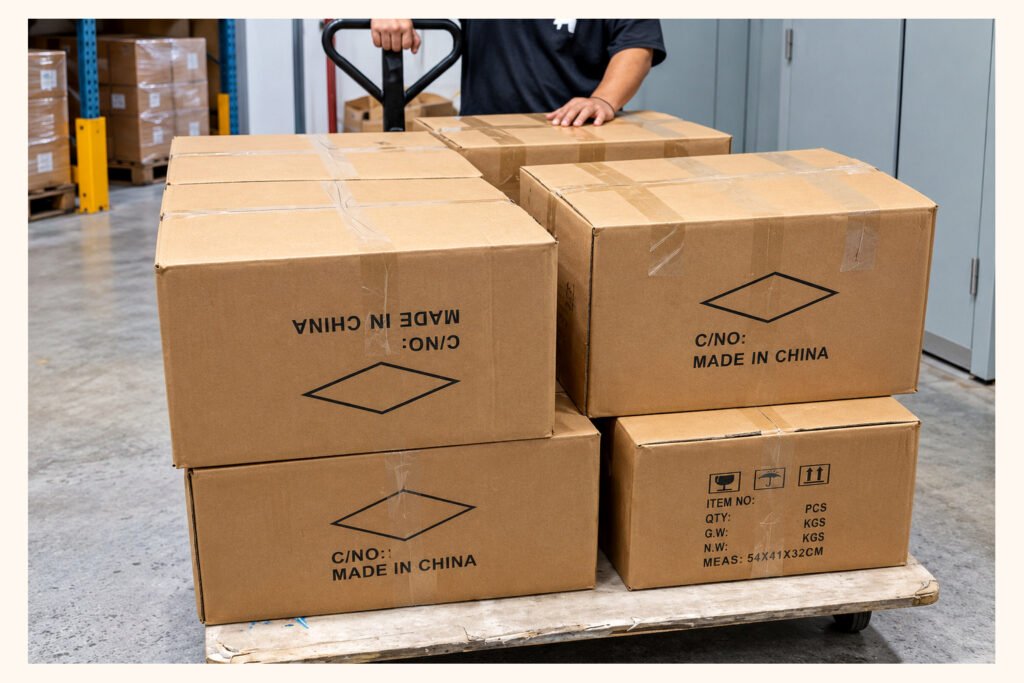
Two quotations can show the same unit price and lead to different costs once the toys reach your warehouse. Toy landed cost gives an importer a way to compare the complete order rather than a factory price alone. The calculation depends on the actual shipment, import treatment and services involved. Buyers should record assumptions, separate confirmed charges from estimates and ask the appropriate providers to resolve uncertain items before using the total to set a purchasing budget.
Table of Contents
Define the endpoint of toy landed cost
Choose the point at which the cost comparison ends. Arrival at a destination port, release from customs and delivery to a named warehouse do not include the same services. State the endpoint before requesting information from suppliers, freight providers and brokers. Otherwise, one offer can appear cheaper simply because it stops earlier. Keep the intended order quantity and actual pack configuration consistent across the calculations being compared.
The CBP importing guide explains the broader responsibilities involved in bringing merchandise into the United States. It is background rather than a current tariff quotation. For toy landed cost, obtain shipment-specific charges and current import treatment from the relevant professionals. Do not copy a competitor’s tariff percentage or a generic multiplier onto every toy order. Classification, origin and the applicable measures need review for the actual product and entry.
Build a cost record that someone else can follow
Separate goods, origin services, freight, insurance where applicable, customs-related charges and destination handling. Record who supplied each amount and whether it is fixed, estimated or dependent on a future event. Include only costs relevant to the defined endpoint. If a service is bundled into another quoted amount, mark it as included rather than counting it twice. A clear record is more useful than a precise-looking total with hidden assumptions.
Toy landed cost also needs a defined denominator. Dividing a shipment total by ordered units can differ from dividing it by the units actually received and available for sale. Explain which basis you use and why. When comparing a boxed panda reference with another format, use the confirmed packing data for each proposed order. A toy’s photographed size cannot establish its shipping volume or the cost allocated to each unit.
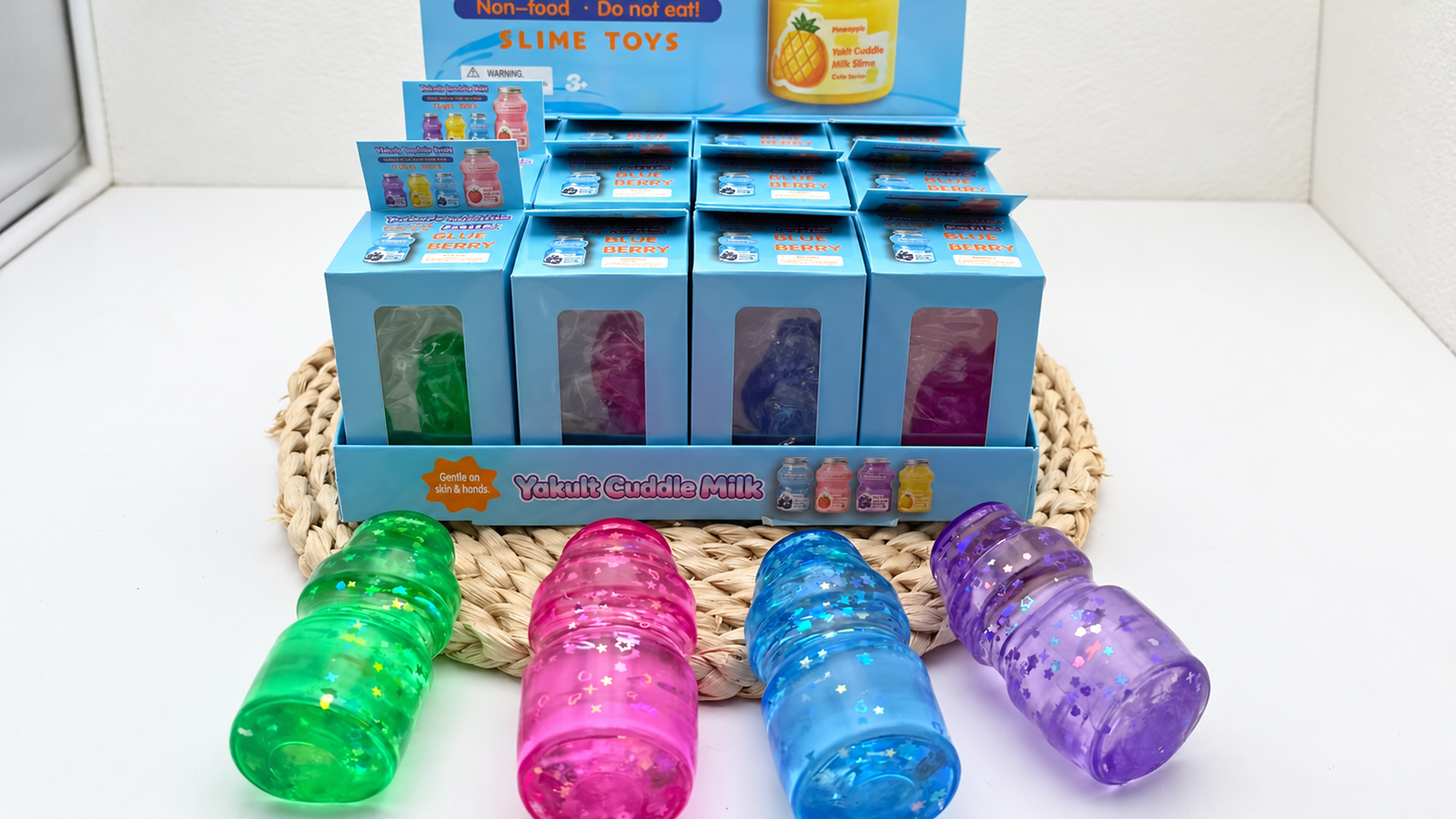
If an offer is described as DDP or delivered, put its named delivery point, included services and importing entity beside the amount. Ask who provides the entry records and which charges remain outside the offer. Do not add a second allowance for a service already included in the delivered figure. A delivery label is not evidence that the purchasing team has the documentation or importing arrangement it needs.
Separate estimates from import responsibility
A forwarder’s estimate, a supplier’s delivered offer and a broker’s entry calculation answer different questions. Identify the importing entity and the provider responsible for each part of the process. CBP’s tips for new importers emphasize that using a broker does not remove the importer’s responsibility for correct entry information and applicable charges. Keep that responsibility visible instead of assuming that a convenient service description resolves the underlying documentation.
For toy landed cost, record the date and scope of every estimate. Freight validity, currency assumptions and service exclusions can change the comparison before the purchase is approved. Use the freight quote checklist to align transport offers, then add the other confirmed cost categories without repeating them. If a charge remains uncertain, show a separate unresolved line and identify who will confirm it; do not quietly replace it with zero.
Use the calculation to improve the purchasing brief
Review toy landed cost beside the retail and wholesale plans, but keep those calculations separate. A lower landed unit amount may require a larger inventory commitment, a different pack or more work at receiving. Decide whether that trade-off fits the business rather than treating the lowest unit number as the automatic winner. Where you use hypothetical figures to explore a choice, label them clearly and avoid presenting them as Vilora prices.
To improve a toy landed cost comparison, send Vilora the actual product references, quantities, packaging and delivery endpoint through the quote request page. Ask which quoted services are included, then confirm transport and import details with the responsible providers. The result should be a traceable purchasing estimate that can be updated as facts change, not a universal shipping multiplier or a promise that no additional charge can ever arise.
Read More