
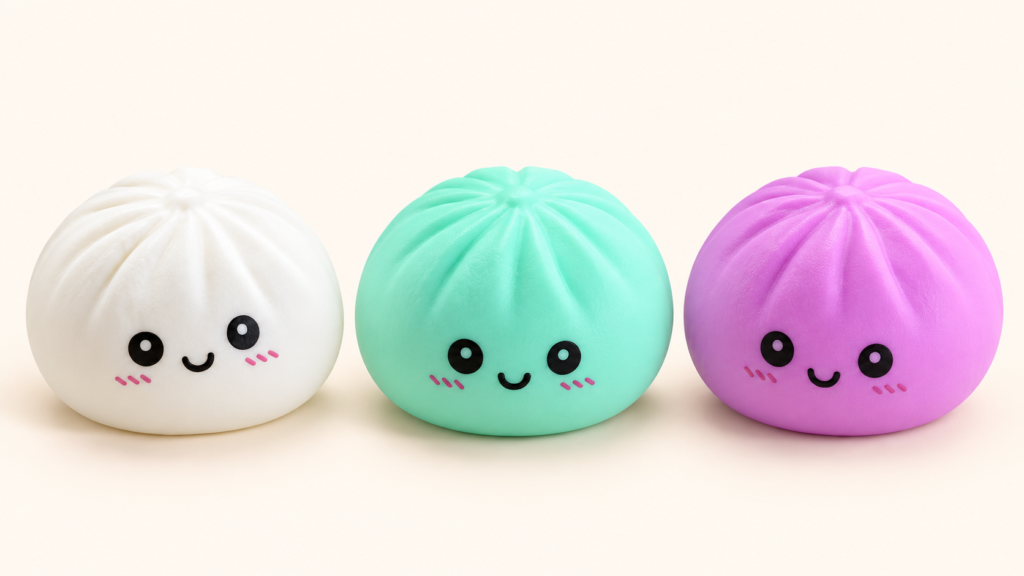
What is a Taba squishy? The name commonly refers to a very soft squeeze toy associated with silicone squishies, often shaped like a cat paw, animal or food. In online listings, however, the term is used inconsistently. It is a useful starting point for browsing, but it does not confirm what a particular toy is made from.
That helps explain why two similar-looking products can feel quite different when they arrive. The photograph shows the shape and color. The description still needs to explain the product.
Three distinctions are especially useful: the name versus the material, silicone versus foam, and a molded body versus a shell with separate filling.
Table of Contents
A Familiar Name Can Mean Different Things Across Stores
The TABASQUISHY brand uses the FAQ question “What is a Taba squishy?” to introduce its handmade silicone products. Its collection includes recognizable paw, food and animal designs.
That tells shoppers how the brand describes its own range. Another seller’s use of the same wording still needs to be checked against that seller’s product details.
One Slime Lab Co. cat-paw listing illustrates the problem. Its title combines “Mochi” and “Taba,” while the description lists TPR in one place and silicone in another.
Neither statement resolves the contradiction. A shopper would need clarification from the seller before treating either material as confirmed.
Similar names also do not establish a shared manufacturer. Look for the actual brand or supplier rather than assuming every item carrying a familiar search term belongs to one collection.
What Is a Taba Squishy Compared with a Foam Squishy?
Silicone and foam are different materials, even when products made from them share a shape or a “slow-rise” description.
A foam squishy compresses through its cellular structure. A silicone product has a different structure, and its response depends on the finished formulation and design. Watching a toy return to shape cannot, by itself, identify its material.
Australia’s ACCC squishy toys guide describes the broader category as including foam, rubber and silicone products, with some containing separate fillings. That overview helps explain why “squishy” covers more than one construction.
For someone researching “what is a Taba squishy?” the practical point is to compare identified products rather than assume every soft dessert-shaped toy is the same thing.
Avoid blanket comparisons such as “silicone always lasts longer” or “foam always smells.” Those claims need evidence about the actual products. Neither a material name nor an appealing demonstration establishes durability, care requirements or overall quality.
A Filled Toy Is a Separate Construction
For a retailer answering “what is a Taba squishy?” a clearly identified filled toy can provide a useful comparison.
Vilora’s Panda Squishy Toy is described as having a TPR outer shell and clay filling. That is a specific construction, not evidence that the panda is a silicone Taba product.
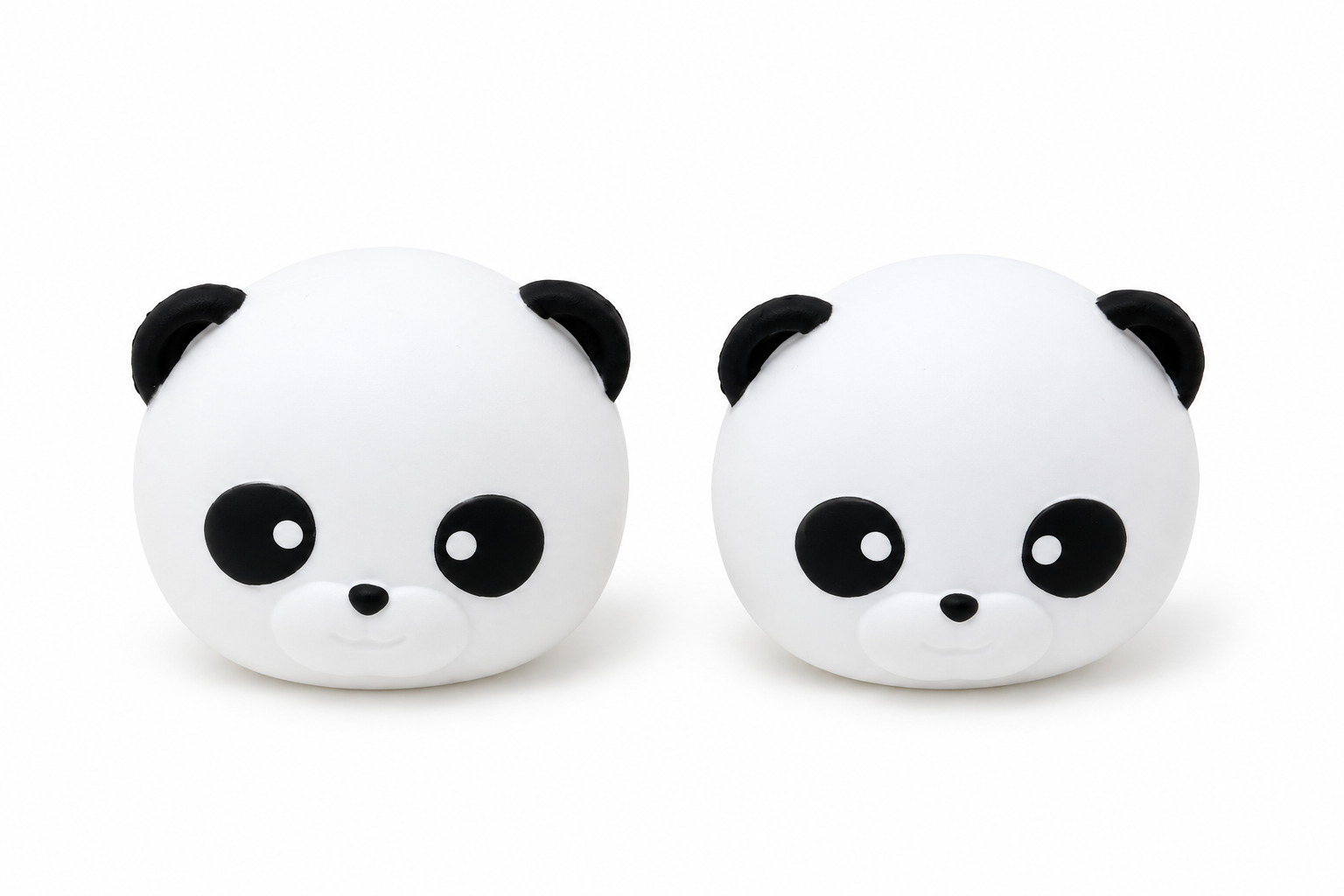
The distinction can stay simple: one description identifies the squeezable body material; another identifies an outer shell and something separate inside it.
Detailed questions about fill quantity, seals and production specifications belong in the guide to squishy toy filling materials. They do not need to be repeated every time a new product name appears.
A familiar shape is not a reason to rename a product. Use the construction the supplier can actually document.
Choose the Product Behind the Label
Imagine a customer sending a screenshot and asking, “What is a Taba squishy?” Before suggesting an alternative, establish what attracted them: the paw shape, a particular surface, the way it deforms or the brand itself.
Those preferences are not interchangeable. A visually similar toy may disappoint someone who expected a specific handling experience.
Then read the listing for the exact item. Does it clearly identify the material? Are dimensions and handling instructions provided? If the description contradicts itself, ask before buying.
Care instructions also belong to the individual product. Directions for a bagged silicone toy should not automatically be applied to a filled TPR item. Likewise, “food-grade” wording does not mean a finished toy is edible.
The clearest answer to “what is a Taba squishy?” therefore has two parts: it is a recognizable name used for a style of soft squeeze toy, and the particular item still needs its own accurate description. That gives shoppers something more useful than a familiar label alone.
Read More