A supplier quotes several toys and a box, but the brand intends to sell one finished gift set. The gap between those descriptions can create extra work and unclear responsibility. Sensory toy gift sets need a defined saleable unit before buyers compare offers. The purchasing brief should identify every included component, who assembles the set and what information accompanies it, rather than assuming that a collection of individually suitable items automatically becomes an order-ready retail product.
Table of Contents
Define sensory toy gift sets as finished offers
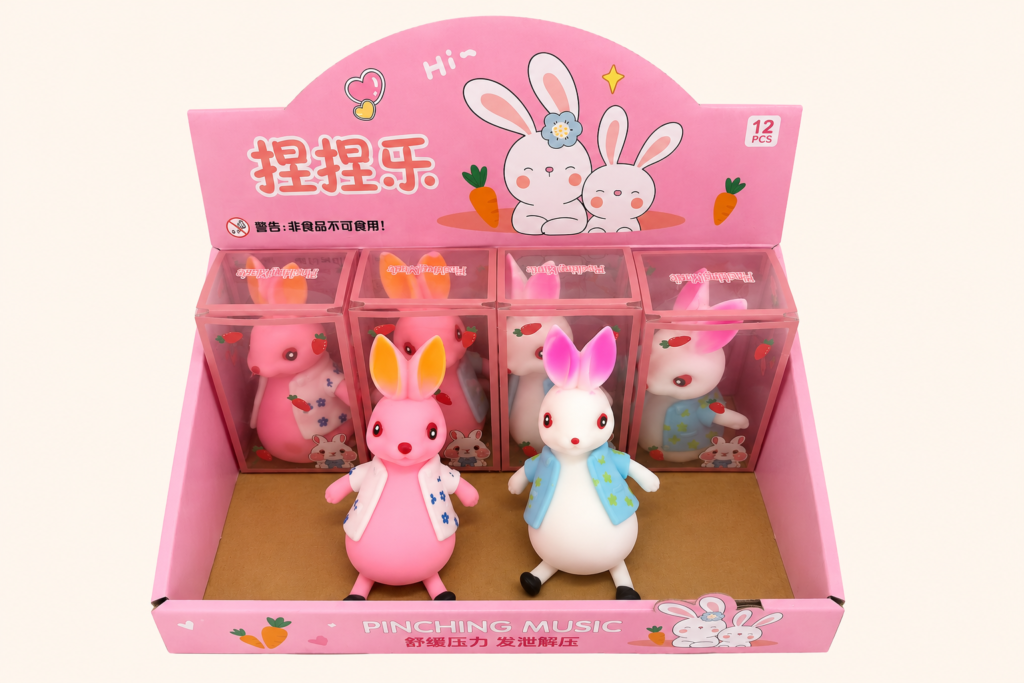
Write down what the customer receives in one purchase. Identify the exact product references, quantities and any additional printed or storage items. Distinguish a fixed combination from a variable assortment, and state which substitutions are not permitted without review. If the pack photograph shows four different interactions, the supply agreement should explain whether every customer receives that combination. Avoid letting an illustrative photograph become the only record of the promised contents.
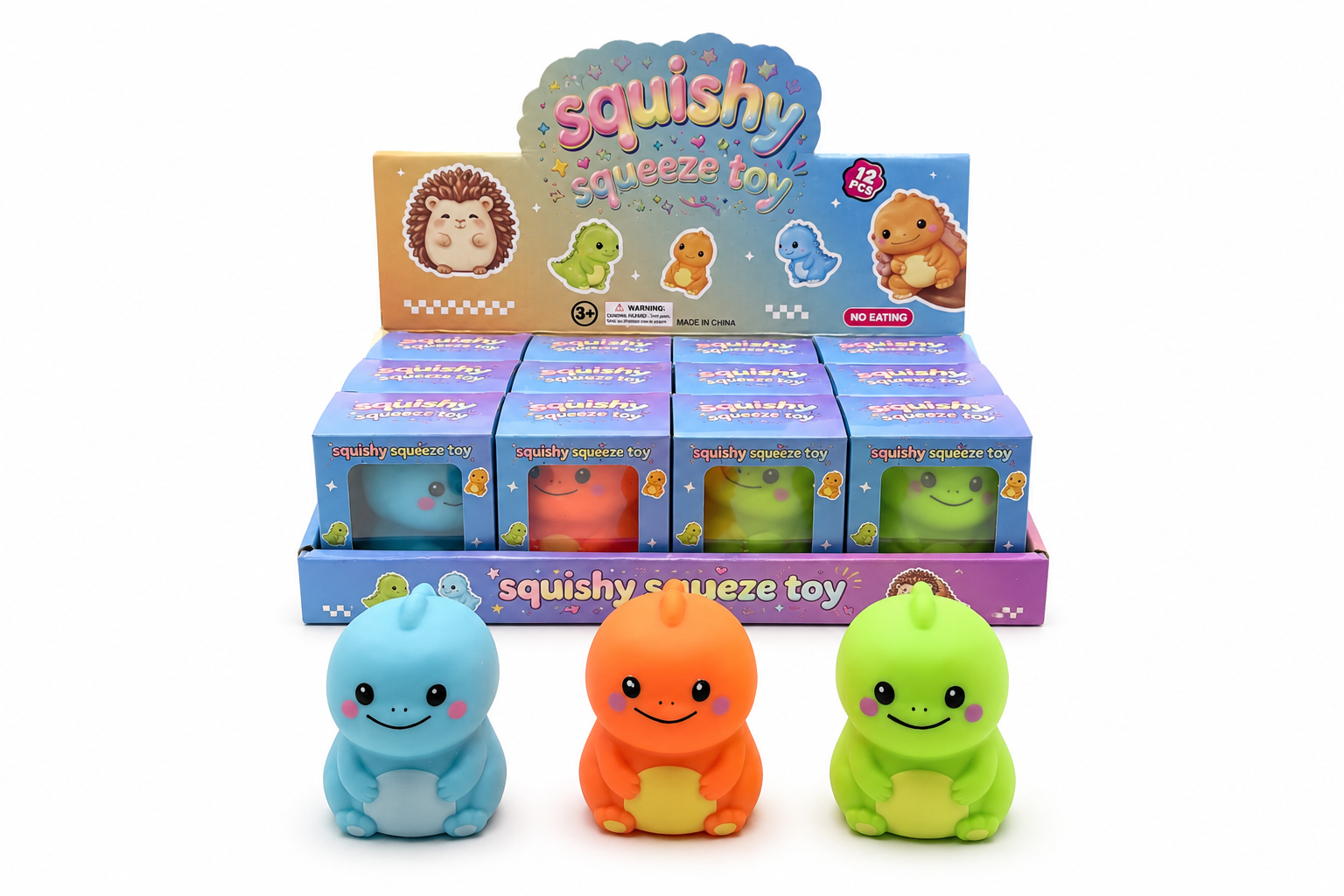
For sensory toy gift sets, component identity matters as much as the outer presentation. A monster squishy product reference can identify one proposed item, but its inclusion does not establish the suitability of the complete set or any accessories. Keep the configuration available for the relevant product review. A set may introduce questions that were not present when each toy was sold separately, particularly if its intended audience or included pieces change.
Assign the assembly and information work
Decide who provides the empty pack, who inserts the components and who checks the finished contents. The factory, brand and fulfillment partner may each handle different steps. Record those handoffs rather than assuming that the party supplying the toys also performs retail assembly. Include the source of instruction cards and the process for keeping required information associated with the finished offer. A quoted component price should not conceal an unassigned assembly task.
PPAI’s kitting and assembly directory illustrates that assembly can be a distinct commercial service. It does not confirm that Vilora offers a particular kitting arrangement. For sensory toy gift sets, ask the relevant supplier what it can support for the actual project and which work remains with the buyer. Keep the answer in the order brief, alongside the pack format and the exact finished unit that will be shipped.
Match the set to its selling channel
A gift shop, a brand’s own website and a marketplace fulfillment program may need different information and preparation. Confirm those requirements before the physical pack is finalized. A retailer might need a clear contents description; a fulfillment provider may need the set to remain together through receiving and storage. Do not presume that an attractive gift box meets every channel’s current preparation rules or that a component barcode identifies the whole set.
Amazon’s US product-packaging requirements address products sold as sets and the need to follow the applicable preparation rules. Use the current requirements for the actual channel rather than an old supplier checklist. For sensory toy gift sets, resolve who applies the required identification and how the complete selling unit is distinguished from its components. This is a different question from simply obtaining permission to resell a supplier’s product on a marketplace.
Approve the finished configuration before scaling
Review sensory toy gift sets in the form the customer will receive, with every item and document in place. Check that the contents match the agreed offer and that the opening sequence does not separate information from the relevant product. Record the approved combination and how later changes will be handled. Do not treat approval of an empty box or a single loose sample as approval of the completed retail set.
When requesting sensory toy gift sets from Vilora, provide the component roster, intended audience, selling channel and assembly responsibilities through the quote request page. The subscription-box sourcing guide can help distinguish a recurring channel program from this finished-set brief. Ask for confirmation of the proposed scope before committing to quantities. A useful quotation identifies the complete deliverable and leaves no uncertainty about who turns separate products into the saleable unit.
Read More