

A squishy toy can arrive in a perfectly good retail box and still feel unfinished. Sometimes the missing detail is a simple printed card: something that identifies the brand, explains the product, or gives the packaging a more polished appearance.
For private-label buyers, custom squishy toy inserts offer a way to personalize existing products without necessarily changing the toy itself. But a card that looks attractive on a computer screen can create problems when it meets the actual packaging.
The details are worth settling before anything goes to print.
Table of Contents
What Should the Insert Actually Do?
Not every squishy toy needs an insert. A clear retail box may already provide enough space for the brand name, product details, and required labeling.
An insert becomes useful when the packaging needs something extra.
A folded card can provide a branded backdrop behind a transparent toy. A small printed panel might carry product information without covering the item. A removable promotional card could introduce a collection or direct customers to a brand’s website.
These are different jobs, and they call for different designs.
Buyers considering custom squishy toy inserts should decide whether the piece is intended for branding, product information, visual presentation, or a combination of these purposes.
That decision also determines whether the insert should remain inside the package or be removed by the customer.
Design Around the Real Product
Soft toys rarely sit inside packaging as predictably as rigid merchandise.
A rounded squishy may lean against a card. A slow-rising foam toy may press into a printed surface. A transparent product might make every fold and shadow behind it more noticeable.
This is why insert dimensions should be checked with an approved physical sample.
Imagine a clear box containing a colorful squeeze ball. A full-height backing card might improve the brand presentation, but it could also hide the product’s most interesting feature. A smaller card positioned behind the lower half might work better.
The same principle applies to hanging packages and display trays.
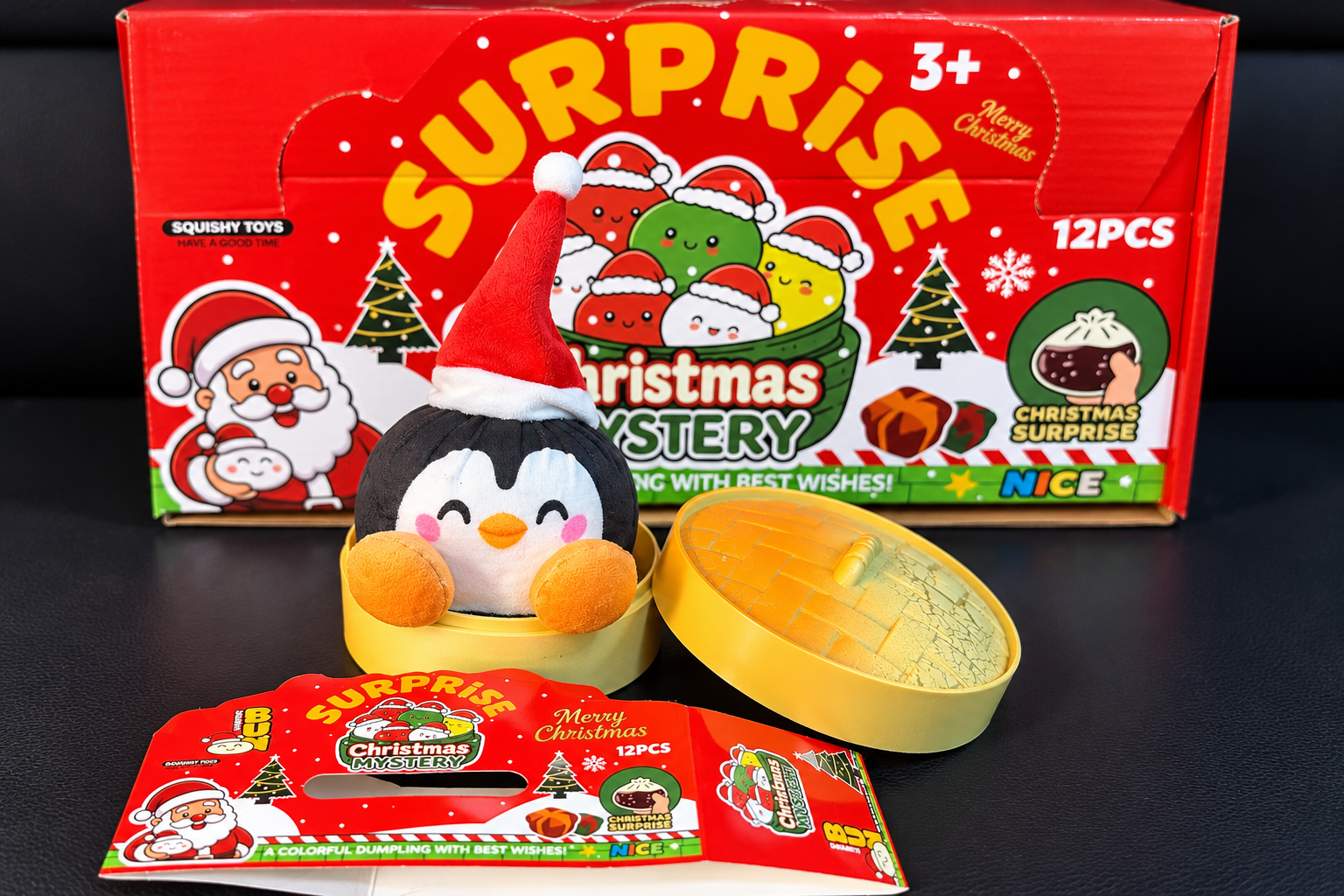
For custom squishy toy inserts, buyers should review the assembled package from the front, side, and shelf-facing angle rather than approving a flat artwork file alone.
Our guide to custom squishy toy packaging covers the broader packaging decisions that should be settled before final artwork.
Separate Brand Messaging From Required Labels
A decorative insert and a regulatory label are not automatically interchangeable.
For U.S. children’s products, applicable labeling requirements depend on the toy’s intended age group, design, and components. The CPSC’s labeling overview explains why different products may require different information.
Tracking information deserves particular attention. The CPSC’s tracking label guidance addresses identifying information on children’s products and packaging, to the extent practicable.
A loose promotional card should not be treated as a substitute for required permanent markings.
Retail identification creates another distinction. A barcode printed on a removable card may be unsuitable if that card can be separated from the retail unit before checkout.
GS1 US also explains how product variations affect GTIN assignment and why barcode dimensions matter for scanning.
Buyers should therefore review the insert, outer package, and product markings together, rather than assuming one printed piece can handle everything.
Printing Details That Matter at Production
The artwork may be small, but the production questions are familiar: paper weight, finish, print colors, folding, and cutting accuracy.
A glossy card may suit bright novelty packaging. An uncoated finish can create a different appearance, particularly for understated private-label collections.
Neither is universally better.
The choice should reflect the surrounding package and how the card will be handled.
For custom squishy toy inserts, buyers should request a physical print proof when color accuracy, folding, or fit is important. A digital PDF can confirm wording and layout, but it cannot demonstrate how a card sits behind a soft toy.
Before approval, check the following:
- Final dimensions and any fold lines
- Printed text, logo placement, and color references
- Paper or card stock specification
- Orientation inside each retail package
- Who supplies and approves the final artwork
If several SKUs share one insert design, confirm whether product names, colors, or barcodes require separate versions.
Make the Insert Part of the Packing Instructions
An approved card is only useful if the correct version reaches the correct product.
This becomes especially important for mixed-color assortments, seasonal collections, and private-label programs with several retail customers.
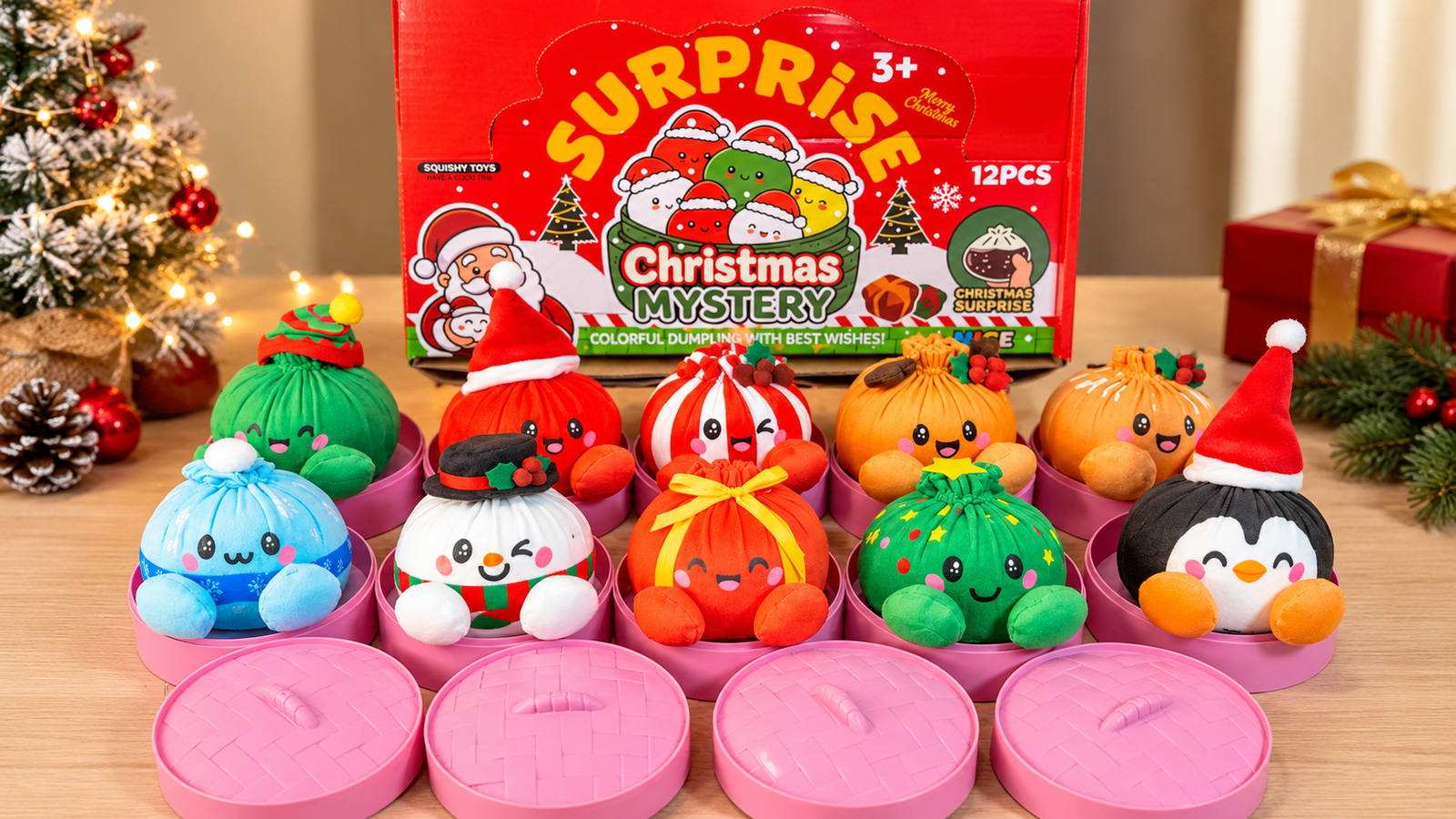
The packing specification should show where the insert belongs, which side faces outward, and whether it must be positioned behind or beside the toy.
A photograph of an approved packed sample can prevent confusion far more effectively than a note saying “insert card included.”
Buyers should also confirm whether inserts arrive pre-folded, how they are supplied to the packing line, and whether the extra handling affects the quotation or schedule.
These checks can be incorporated into the final squishy toy inspection, alongside packaging accuracy and SKU verification.
For brands evaluating custom squishy toy inserts, the best result is not necessarily the most elaborate design. It is a printed component that fits the product, communicates the right information, and can be packed consistently across the order.
Read More