

A purchasing team can submit an order above a supplier’s stated minimum and still need to revise it. Discounts may reduce the qualifying merchandise total, unavailable items may move to backorder, or separate delivery addresses may be treated as separate orders. For established buyers, reviewing toy distributor minimum order value means checking how the supplier calculates the threshold—not simply whether the purchase order total looks large enough. Settle those details before allocating inventory across stores or approving payment.
Table of Contents
Separate the Dollar Minimum From Item-Level Requirements
Minimum order value, or MOV, is the merchandise amount a supplier requires for an order under the applicable account terms. Minimum order quantity, or MOQ, sets a quantity requirement. Case-pack rules specify the multiples in which an item can be ordered. These conditions can apply together; reaching the dollar minimum does not automatically permit broken cases or unrestricted mixing.
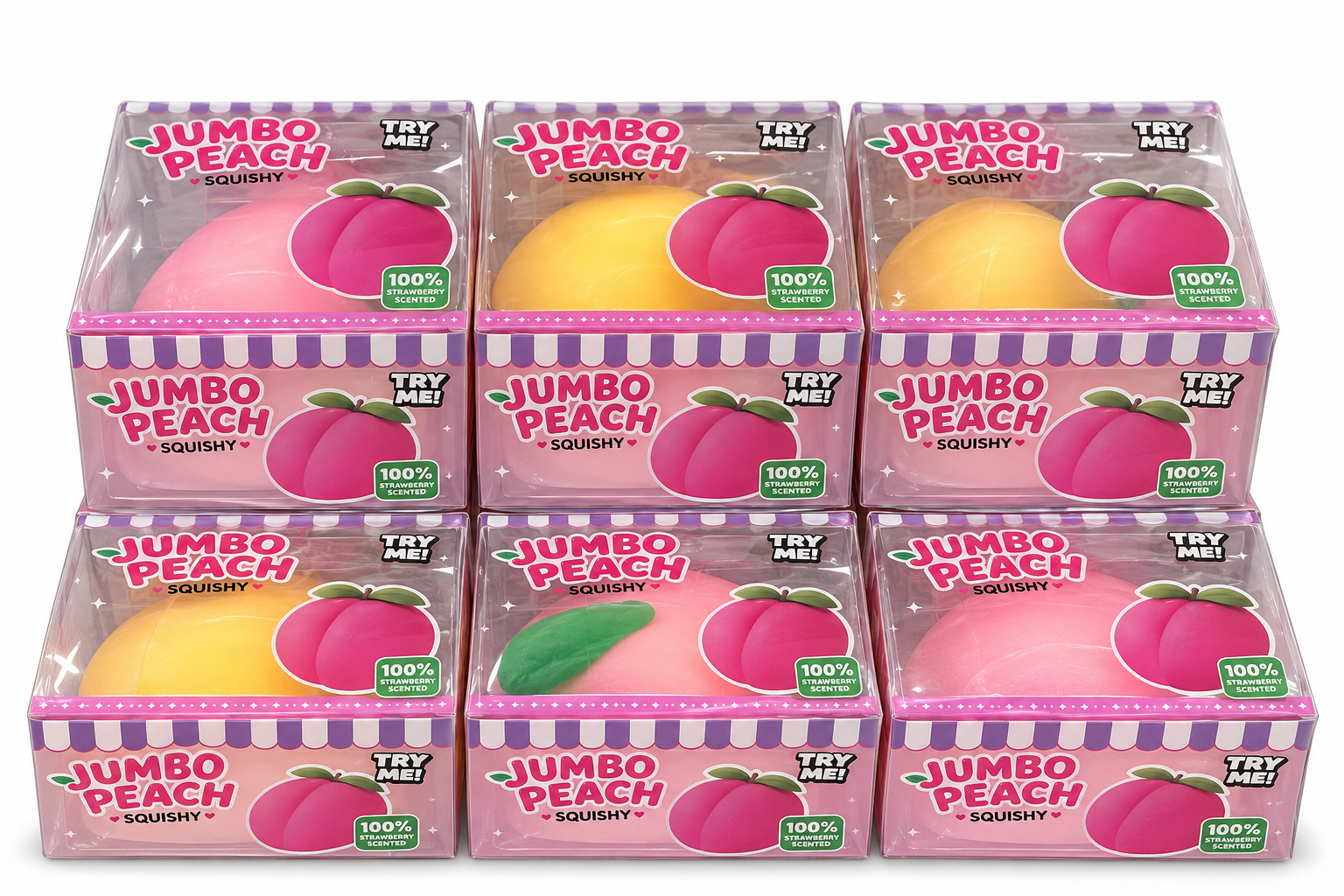
When comparing toy distributor minimum order value policies, ask for both order minimums and per-item requirements. Griddly Kids’ wholesale terms provide one example: opening and reorder minimums appear alongside case-pack requirements. That is a supplier-specific policy, not a standard for the whole toy industry.
Keep production minimums separate when a program includes customized toys. An existing stock assortment and a new printed sleeve may have different requirements. Our novelty toy MOQ guide explains why buyers should identify what each quantity minimum applies to before combining items in a purchasing plan.
Confirm Which Merchandise Counts Toward the Total
Ask whether the qualifying amount is calculated before or after discounts, and whether freight, taxes, setup charges, or other fees count. Do not assume that a large invoice total satisfies a merchandise-only minimum. Record the currency as well, especially when comparing domestic distribution with direct-import quotations.
Consider an illustrative toy distributor minimum order value of $5,000, calculated after discounts. A merchandise order of $5,200 falls to $4,680 after a 10% discount. It would miss that hypothetical threshold even though the original order exceeded it. The useful question is which amount the supplier uses when accepting and releasing the order.
For multi-location purchasing, confirm whether the threshold applies to one purchase order, each shipment, or each delivery address. A consolidated order may not qualify every store delivery independently. Include these questions in the quote request so purchasing and accounts payable use the same calculation.
Resolve Backorders and Freight Conditions Before Release
Availability can change between quotation and dispatch. For toy distributor minimum order value calculations, ask whether backordered merchandise counts toward the minimum, whether available items can ship separately, and whether later shipments carry additional freight charges. Agree on who approves substitutions or cancellations that change the qualifying total.
Keep the purchasing minimum separate from a freight promotion. Toysmith’s wholesale information advertises no minimum order value, illustrating why buyers should check the individual supplier rather than apply an assumed industry range. Confirm the current terms for the account and destination being quoted.
A freight allowance also needs its own conditions. Check eligible merchandise, destinations, shipping services, and additional delivery charges, such as liftgate or appointment fees. Griddly Kids, for example, calculates freight eligibility after discounts and lists exclusions for certain delivery requirements. Before adding inventory to reach a threshold, compare the cost of those extra products with the freight actually saved.
Put the Agreed Calculation in the Order Record
Before approving the purchase order, summarize the toy distributor minimum order value terms in a short confirmation. Include the qualifying merchandise amount, discount treatment, case multiples, delivery addresses, and handling of shortages or backorders. Attach the supplier’s dated quotation or written clarification rather than relying on a remembered conversation.
Use the same confirmation when the order changes. If an unavailable item is removed, ask whether the remaining order still qualifies and whether pricing or freight terms change. Require approval before substitutions or partial shipments alter the agreed costs or conditions.
For Vilora Toys OEM and ODM projects, send the proposed SKU quantities, customization requirements, packaging, delivery locations, and shipment schedule with the inquiry. Ask which minimums apply to the actual configuration. A clear toy distributor minimum order value review helps purchasing teams check the supplier’s order confirmation and resolve changes before the shipment leaves.
Read More