
“Could you send us a mixed case of sensory items? Maybe 60 pieces.”
The activity director followed that request with something far more useful: Tuesday’s schedule.
The center opened with coffee, ran two small-group activities before lunch and kept the last hour loose. A few people usually settled at the same table. Others moved between rooms. Some watched for a while before deciding whether they wanted to join anything at all.
That was the real order. Adult day activity supplies had to fit those different kinds of mornings. Sixty assorted products might fill a cabinet, but nobody knew what staff would actually pull out at 10:30 on a Tuesday.
Table of Contents
The Packaging Was the First Problem
Three samples arrived in bright retail cards covered with cartoon faces. One of the products was promising. The presentation was not.
“This looks like a classroom prize,” one staff member said.
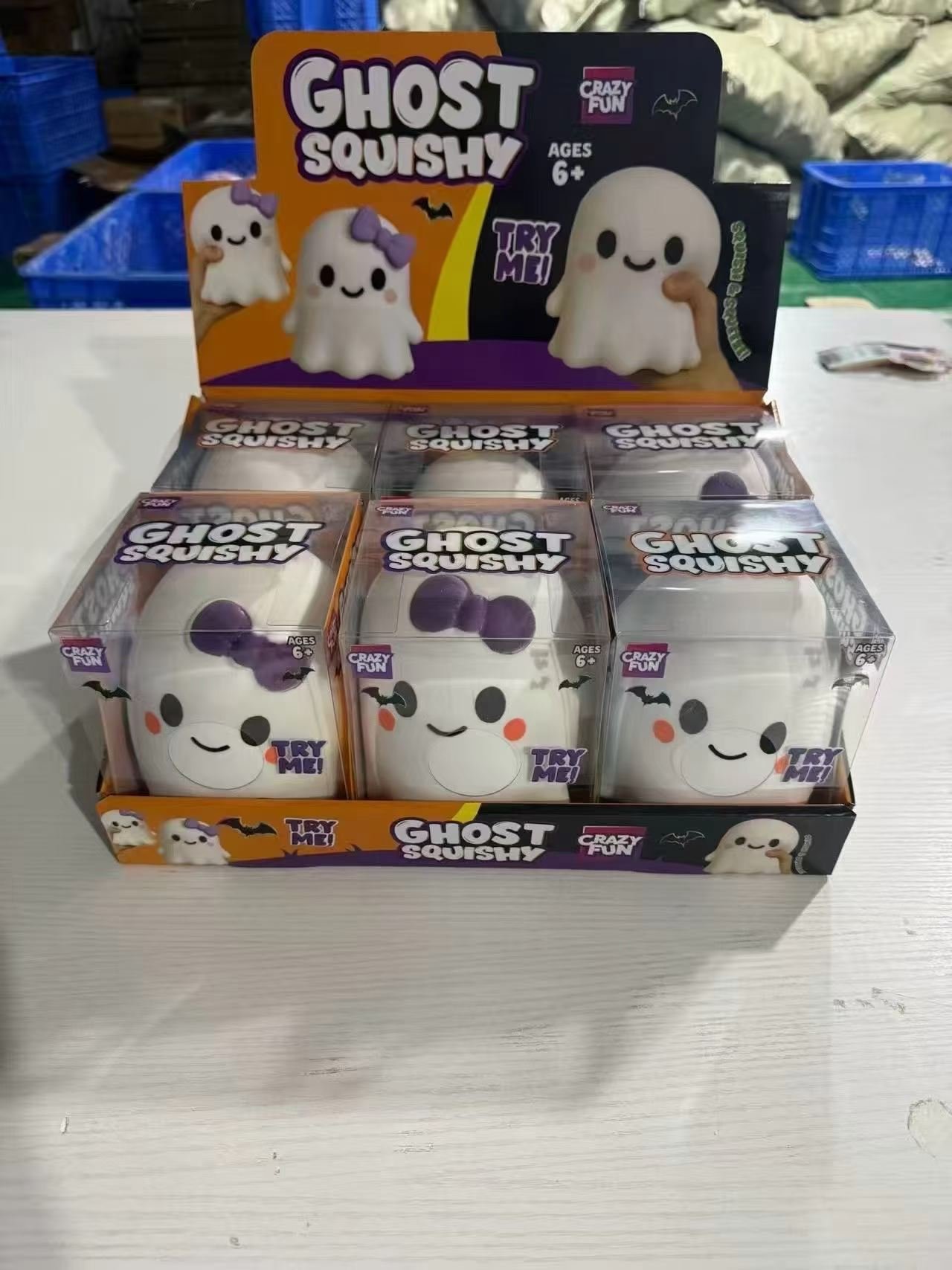
The people at the center had spent decades choosing their own clothes, decorating their own homes and deciding what they liked. No one wanted to hand them an object dressed up as a kindergarten reward. Soft was fine. Childish was not.
Staff removed the retail cards and put the samples on a plain tray. That simple change helped. One muted blue squeeze shape looked perfectly comfortable in the room once the child-focused packaging was gone. Two character styles still felt too juvenile and were dropped.
The review gave the buyer a useful rule for adult day activity supplies: judge the product and its presentation separately. Sometimes the item works and the package does not.
The Roster Was Not the Buying Quantity
Forty-two names appeared on the center’s roster. On most mornings, the quiet table had six people around it and occasionally eight. Buying 60 pieces for that table made no sense.
Instead of buying for the whole building, staff tried three styles at that table for a week. One took more grip strength than expected. Another made a soft popping noise. Two people liked it; a third pushed it away. The simplest sample stayed on the table day after day without needing much explanation.
Nobody filled out a medical assessment. The activity director kept a short note on her clipboard: who picked something up, whether they returned to it and whether staff had to demonstrate it every time.
People were also free to pass. NADSA standards for adult day services recognize participant choice and the need for alternative activities. That mattered here because the goal was not to find one object that every person would use.
By Friday, the center had its answer. It ordered 18 of the quiet style, enough for two tables and several replacements. The other 42 pieces disappeared from the quote.
Adult Day Activity Supplies Had to Work With the Calendar
Tuesday was quiet-table day. On Thursday, the chairs were moved for music. Fridays were less predictable; people talked, came and went, and sometimes picked up whatever happened to be on the side table.
The director added six larger pieces for that room. Their color stood out against the dark tabletop. Staff did not have to announce an activity or explain a set of rules. They could leave one nearby and see whether anyone reached for it.
The supplier was not asked to match products to a diagnosis. Staff knew the people in the room, and the choice still belonged to the person sitting at the table. That is the part of person-centered planning that mattered to this purchase.
So they stopped at six. If those pieces sat untouched for a month, the lesson would cost very little and take up half a shelf instead of three.
Six on a Tray Worked Better Than Eighteen in a Bin
The existing activity cabinet had become a catchall. Loose craft supplies shared space with puzzles, cards and several objects that no one remembered ordering. Staff could not always tell what was clean, what was missing or which pieces belonged together.
The new products arrived in three shallow trays. One went to the quiet table, one to the conversation room and one stayed in the director’s office with the replacements. Each tray held six pieces.
Six products looked like a choice. Eighteen looked like a cleanup job.
For adult day activity supplies, the cabinet matters more than it sounds. Anything buried behind craft paper and old puzzles tends to stay there. At the other extreme, dumping every option onto the table makes staff sort the assortment in front of the group.
Custom toy packaging would not have improved this order. Plain inner packs, readable location labels and trays that fit the cabinet were more useful than individual display boxes.
The Favorite Sample Was Not the One Staff Expected
Purchasing checked the price and delivery window. The activity director looked at the weekly schedule. Direct-care staff noticed details that neither group had considered.
One pale sample almost disappeared against the tabletop. A round one rolled under a chair. Another had deep surface details that took longer to inspect when the session ended.
Then the participants overturned the staff prediction. The most colorful sample received little interest. The plain blue one stayed in use throughout the week.
The squishy toy samples went where they belonged: onto the activity table. Purchasing could confirm the dimensions and material from an office. Only the people in the room could show which one they preferred.
The purchase order left some room on color. Blue could replace green if stock changed. A new shape, material or squeeze feel could not slip into the cartons under the word “assorted.” That would have turned an approved order into another sample test.
The First Order Stopped at 24 Pieces
The final order included 12 quiet-table products, six larger pieces for the conversation room and six replacements. Three colors were allowed, but no exact ratio was required. The trays were labeled by room, not by participant.
The shipment reached the center three weeks before the new calendar started. Staff opened it during an ordinary afternoon, set the trays in their rooms and put the six replacements in the director’s office.
Ordering 24 pieces instead of 60 did not leave the center short. It gave staff enough adult day activity supplies to run the program and enough time to notice what was worth buying again. The second order could follow what people actually chose, not what looked promising in a catalog.
Vilora Toys supplies squishy, fidget and novelty products for organizational programs. When you request a quote for adult day activity supplies, tell us how many people typically join the activity—not only how many are enrolled. Add the product feel you want, where the order is going and the date staff need it in the building.
Read More
• Bulk Sensory Toys: One Category, Very Different Buyers
• Squishy Toy Samples: What Buyers Should Approve Before Production
• What Makes a Squeeze Toy Feel Soft? 6 Factors That Affect Feel and Rebound