“We need 2,400 fidget toys for six elementary schools. An assortment is fine.”
It sounded like an easy order. Then the schools started describing what they meant by “fidget toys.”
One principal wanted inexpensive prizes for a family night. Two teachers were stocking classroom reward drawers. An after-school coordinator needed reusable items that staff could put back into bins at the end of the day. The remaining schools planned to send one toy home with every student.
They were buying the same general product category, but they were not running the same program. Quoting bulk fidget toys for schools as one undivided assortment would have left somebody with the wrong product or the wrong packing format.
Table of Contents
One Assortment Was Not Going to Work
The buyer’s first list included spinners, small poppers and soft squeeze toys. That mix made sense for the family-night bags, where the toys would be used at home.
Teachers were less interested in the spinners. They wanted items that would stay on a desk, make very little noise and require no setup. The after-school staff had a different concern: anything too small would be difficult to count before students left.
The order was eventually divided by use. Take-home bags received a mixed assortment. Classroom cartons contained two quieter styles. The after-school group chose one larger handheld item that could be collected easily.
That split added a little packing work, but it solved a much larger problem. Nobody had to explain later why 150 small toys had disappeared into backpacks or why a classroom item clicked loudly enough to interest everyone in the room.
Start With the Students Who Will Receive Them
“Elementary school” covered children from kindergarten through fifth grade. The buyer initially treated that as one audience. The product review did not.
Some compact fidgets had detachable or internal components that deserved closer attention for younger children. Others were simple one-piece products but required more hand strength than expected. A catalog photo did not show either issue particularly well.
The buyer separated the youngest grades from the rest of the order. Kindergarten through second grade received larger push-and-squeeze items with simple construction. Older students received the smaller desk fidgets.
This was not about finding one supposedly perfect toy for every child. It was ordinary product selection: look at the intended age, examine the construction and make sure the version being purchased matches the program.
When ordering bulk fidget toys for schools, the grade range belongs in the first inquiry. It should not appear for the first time after samples have already been selected.
Teachers Noticed What the Catalog Missed
Samples went to a purchasing coordinator, one elementary teacher and the after-school program director.
The purchasing coordinator checked size, packaging and paperwork. The other two picked up the toys and used them.
Within a few days, the teacher had ruled out one style because it rolled off sloped desks. A soft item attracted lint faster than anyone expected. Another toy looked busy in the supplier’s video but turned out to be quiet enough for the classroom.
That feedback was more useful than another round of product photos.
The school did not ask teachers to make medical claims or decide whether a toy improved attention. They were asked a narrower question: would this particular product create trouble in the setting where it was going to be used?
For school orders, that is often the right level of review. The people approving invoices and the people managing a room full of students do not always notice the same things.
Bulk Fidget Toys for Schools Need a Real Color Count
Once the two products were approved, the buyer requested “assorted bright colors.”
The factory had six colors available, but they were not available in equal quantities. If the purchase order had stopped at “assorted,” each school could have received a noticeably different mix.
Nobody needed a perfect rainbow. They did want the six campuses to look as though they had participated in the same program.
The final instruction allowed three colors in an approximately equal ratio. Exact piece-by-piece matching was unnecessary, but no carton could be dominated by one color. Each school received the same two product styles in the same general mix.
There was also a substitution rule. A color could be replaced if production availability changed; a product style could not. That distinction mattered. Swapping blue for green was acceptable. Replacing a quiet push toy with a clicking fidget was not.
The Box Has a Job After It Arrives
Retail packaging would have looked polished, but most of this order was never going onto a store shelf.
The classroom products arrived in small inner packs inside labeled master cartons. Teachers could open one pack at a time and leave the rest sealed. After-school items were packed by program location rather than by color.
The take-home portion needed individual bags. Volunteers were assembling event kits, and loose toys would have created an unnecessary sorting table on the morning of the event.
This is one of the practical differences between retail merchandise and bulk fidget toys for schools. The package may be there to help a teacher count, a volunteer distribute or a district warehouse route the order. A display window and a hanging tab may add cost without helping any of those people.
The useful question was not “Which package looks best?” It was “Who opens this carton, and what do they have to do next?”
Two Toys Meant Two Sets of Records
The order contained two finished products. The buyer therefore requested product information and applicable compliance documentation for each one.
A general material statement was not enough. For children’s toys sold or distributed in the United States, the applicable ASTM F963 sections, CPSIA requirements, third-party testing and Children’s Product Certificate depend on the actual SKU, age grading, materials and construction.
The same point applied when the supplier mentioned a possible replacement item. A substitution could not enter the order simply because it looked similar and cost the same. The new product had to be identified and approved.
Schools may have their own vendor, insurance, labeling or purchasing requirements in addition to federal product rules. Those requirements need to come from the district or buyer. A factory should not guess at them.
For bulk fidget toys for schools, paperwork is easiest to review while the product list is still being finalized. It is much less useful to discover a missing document after 2,400 pieces have been packed.
Six Schools, Four Delivery Instructions
Three schools could accept direct deliveries. Two received supplies through the district warehouse. The sixth needed its cartons sent to the coordinator of the family event, not to the campus office.
The buyer put those details on the order instead of relying on a later email. Every destination had a ZIP code, required arrival date, contact name and carton count. Campus names appeared on the outer labels.
A small overage went to the district office. That gave the buyer replacements for shortages, damaged packaging or a few late additions without reopening the entire order.
The required arrival date was also moved forward. The event took place on a Friday, but the cartons were due the previous week. Someone needed time to open them, confirm the count and assemble the take-home bags.
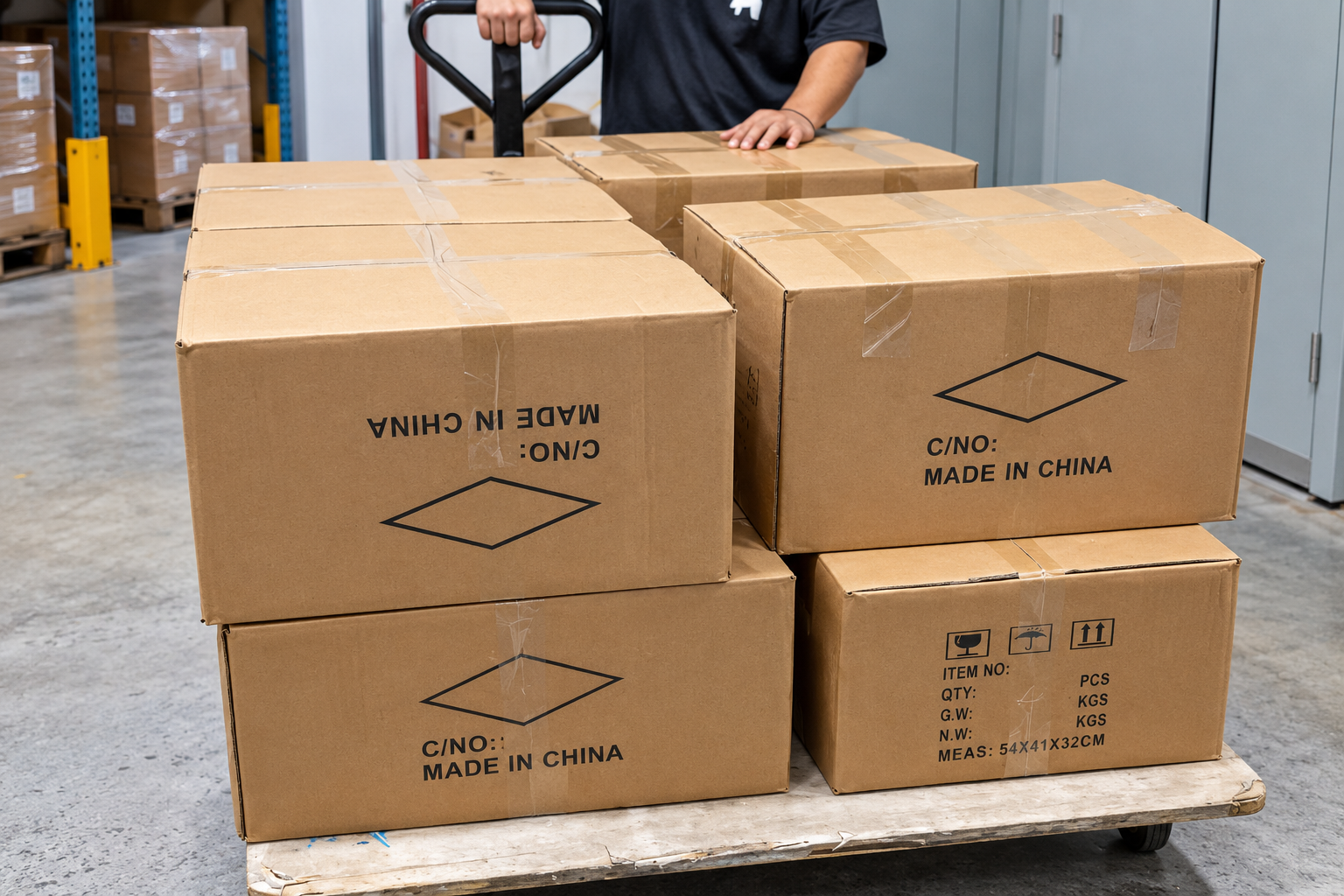
That buffer was not wasted time. It was part of the school’s work.
The final request for bulk fidget toys for schools was no longer “2,400 assorted pieces.” It named the grade groups, two approved products, color mix, packaging split, campus quantities and delivery instructions. The supplier could quote it without filling in important blanks.
Vilora Toys works with distributors, brands and organizational buyers on fidget, squishy, sensory and novelty toy programs. When requesting bulk fidget toys for schools, send the quantity, student age range, intended use, preferred product type, packing plan, destination ZIP codes and the date the cartons must be available to staff.
Read More
• Private Label Fidget Toys: What Can Actually Be Customized?
• Branded Fidget Toys: The Logo Has to Survive the Movement
• Toy Sourcing in 2026: What Buyers Should Know