
A squishy toy can be ready for manufacturing while its packaging is still holding up the order. The buyer has approved the product, the designer has finished a box mockup, and everyone expects printing to begin. Then the packaging supplier asks for a different file.
The artwork may have the wrong dimensions. A barcode could sit too close to a fold, or the printer may be unable to edit a flattened image.
For buyers preparing squishy toy packaging artwork, the goal is to turn an attractive design into a file that can actually be printed, folded and packed without last-minute surprises.
Table of Contents
Get the Dieline Before Designing
A dieline is the flat template showing where packaging will be cut, folded and assembled. It defines the physical structure behind the graphics.
A clear-window box, printed sleeve and countertop display tray may each need a different layout. Even when two toys look similar, differences in size or shape can affect the packaging dimensions.
Ask the supplier for the confirmed dieline before placing text or graphics. Check the finished size, window opening, glue areas, bleed and safe margins.
Bleed allows background artwork to extend beyond the trimming edge. Safe margins help keep important information away from folds and cuts. The printer should confirm the measurements required for its equipment.
A three-dimensional mockup helps everyone picture the finished box, but it does not replace an accurate production template.
Prepare Files for the Printing Process
A high-quality image is not necessarily a print-ready file. Printers may need editable artwork, embedded graphics and correctly prepared fonts.
When submitting squishy toy packaging artwork, confirm the supplier’s preferred file format. Depending on the printing workflow, that may be an Adobe Illustrator file, a print-ready PDF or another agreed format.
Images need sufficient resolution for their printed size. Fonts must display correctly, and linked graphics should remain available when the file is opened on another computer.
Ask whether text should remain editable, be embedded or be converted to outlines. Each approach has advantages, but the printer’s requirements should determine the final delivery.
Color settings also matter. A design that looks bright on a laptop may reproduce differently on coated cardboard or other packaging materials.
Keep the editable master file separate from the approved print version. If the supplier requests a change, the designer should not have to rebuild the artwork from a flattened preview.
Review Labels and Barcode Placement
The front panel usually receives the most design attention, but the back and side panels can be just as important.
Product identification, age grading, warnings, manufacturer or importer details and traceability information need to be reviewed for the specific toy and destination market.
For U.S. children’s products, the Consumer Product Safety Commission’s tracking-label guidance explains the information that must be ascertainable from product and packaging markings, to the extent practicable.
Requirements vary by product. Buyers should not copy warnings or age labels from another toy simply because the packaging looks similar.
Retail barcodes also need room. GS1 US barcode placement guidance addresses placement, contrast and the clear space needed around a barcode.
For squishy toy packaging artwork, review these details before finalizing the layout. Moving a barcode or adding a warning after approval may require another round of artwork revisions.
Check a Physical Packaging Sample
A digital proof can show the intended graphics, but it cannot demonstrate everything about a finished package.
Request a physical sample when practical. Place the actual squishy toy inside and check whether the package closes correctly, protects the product and displays it as intended.
Look closely at small text, window alignment, folds and visible glue areas. If several individually packed toys will sit inside a display tray, test that arrangement too.
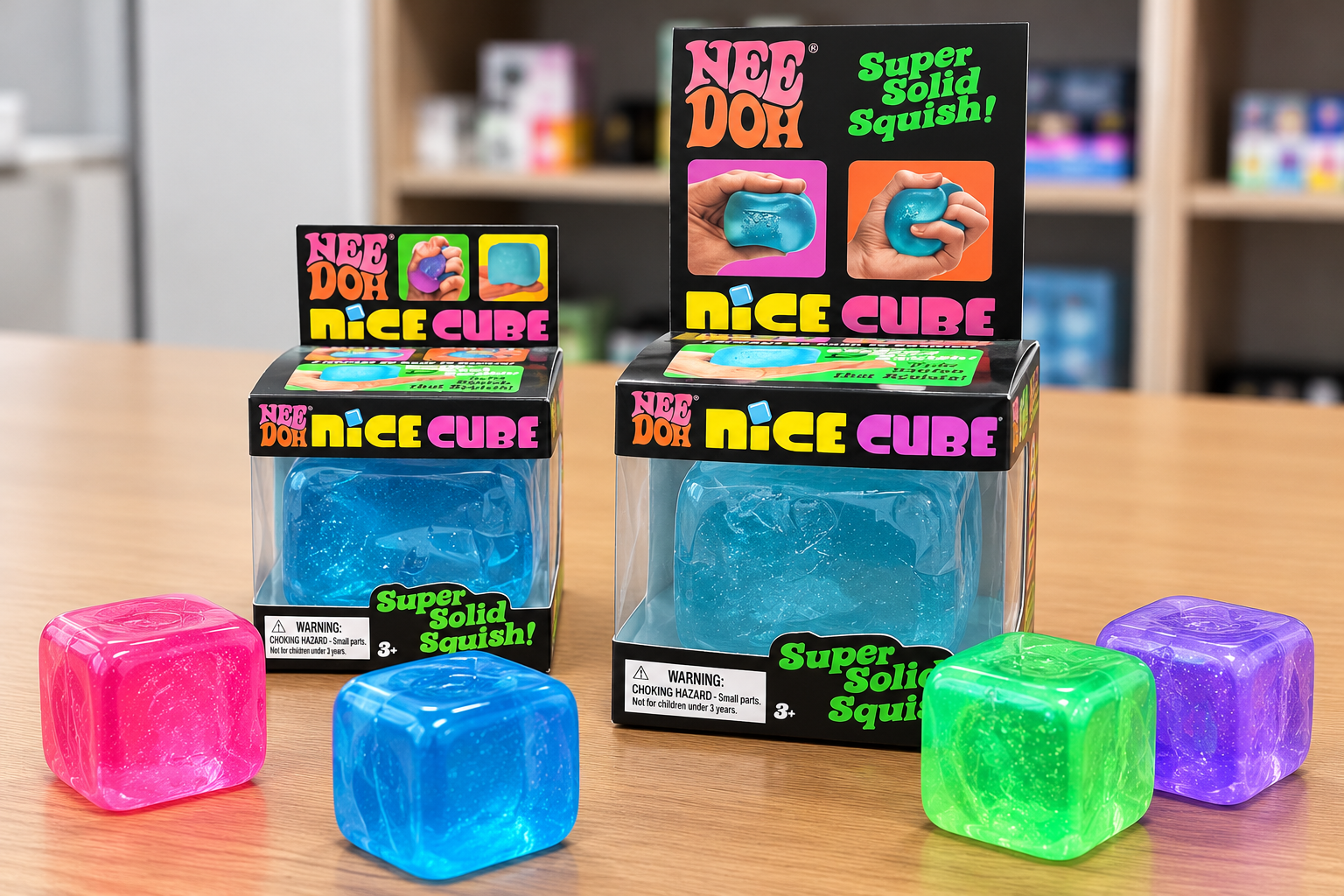
The sample should also be compared with the agreed product colors. Our guide to custom toy colors discusses why consistent color references matter during production.
A digitally printed prototype may not reproduce the final printing process exactly. Ask which features are representative and whether a production-method proof is needed before approving a large run.
Approve One Final Artwork Version
Artwork revisions become difficult to track when every file is called “final.”
One version might contain the correct barcode, another the updated warning and a third the latest logo. If the wrong file reaches the printer, the mistake can affect the entire packaging order.
Give approved squishy toy packaging artwork a clear revision number or date. Record which dieline, materials, text and color references were approved.
If changes are made afterward, confirm whether the supplier needs a revised proof. Even a small adjustment can affect layout or printing setup.
Packaging approval should also connect with the squishy toy sampling process, so the finished product and its retail presentation are reviewed together.
Well-prepared squishy toy packaging artwork helps buyers move from design approval to production with fewer misunderstandings. The essential checks are straightforward: use the correct dieline, provide usable files, review labeling, inspect a physical sample and control the approved version.
Read More