
An OEM quotation rises after a design change, but the buyer cannot tell whether the increase comes from a new component, extra assembly or a different finishing process. Toy BOM costing helps separate those questions. A bill of materials identifies what goes into the product; a useful cost discussion also explains the production assumptions around it. Buyers do not need access to every confidential factory record, but they do need enough defined scope to compare realistic alternatives without changing the approved product accidentally.
Table of Contents
Give toy BOM costing an identifiable product revision
Start with the exact model and version under discussion. List the relevant components and quantities at a useful level, distinguishing the body, mechanism, decorative elements and included presentation as appropriate to the actual product. A broad name such as plastic fidget is not enough to identify what changed. Keep the component list connected to the approved reference so the costing conversation does not drift between an early concept and a later finished configuration.
Autodesk’s bill-of-materials overview describes a BOM as a structured record of the materials, assemblies and components needed for a product. That general manufacturing concept supports toy BOM costing, but it does not reveal Vilora’s internal systems or require a supplier to use a particular software package. Ask what level of component and scope information can be shared for the actual project, then keep confidential details within an appropriate process.
Separate components from production work
A component list does not necessarily explain the whole quoted unit price. Assembly, decoration, handling and other process steps can matter even when the visible parts remain unchanged. Ask the supplier to explain the assumptions that materially affect the proposal rather than requesting an arbitrary reduction in every line. Keep nonrecurring development work separate from repeated unit work where the quotation uses that distinction, and confirm which charges are included in the offer.
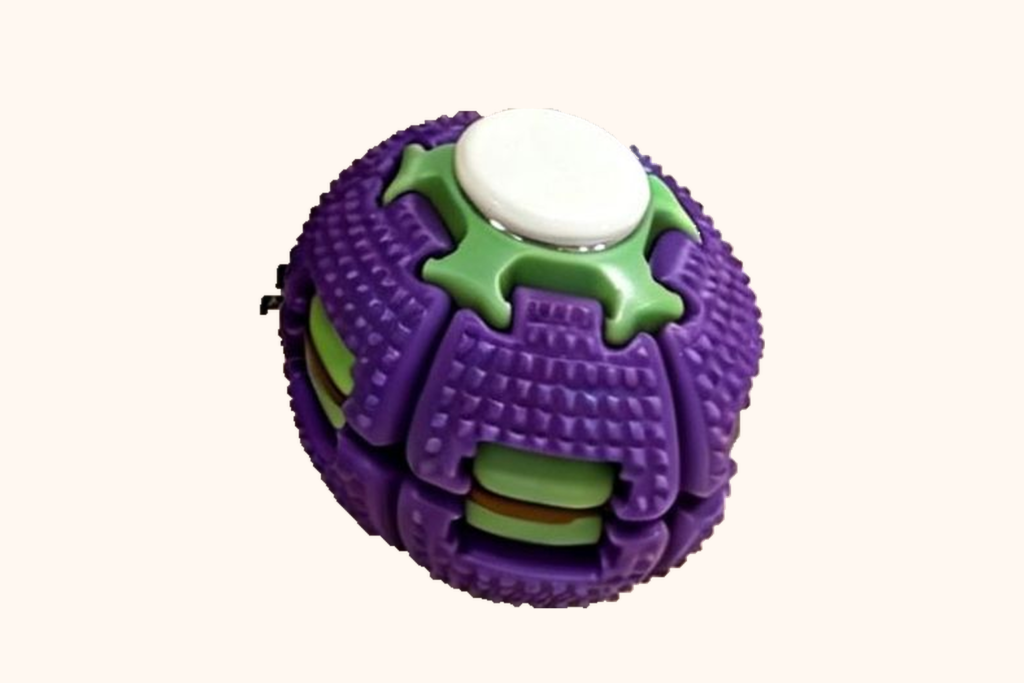
Autodesk Fusion Operations’ cost guidance distinguishes materials, worker time and machine-related inputs in its own cost model. Use that as a way to ask better toy BOM costing questions, not as a formula for estimating a factory’s actual margin. For a press-to-spin fidget reference, for example, a proposed change should be discussed against its real components and assembly needs rather than guessed from the product’s exterior photograph.
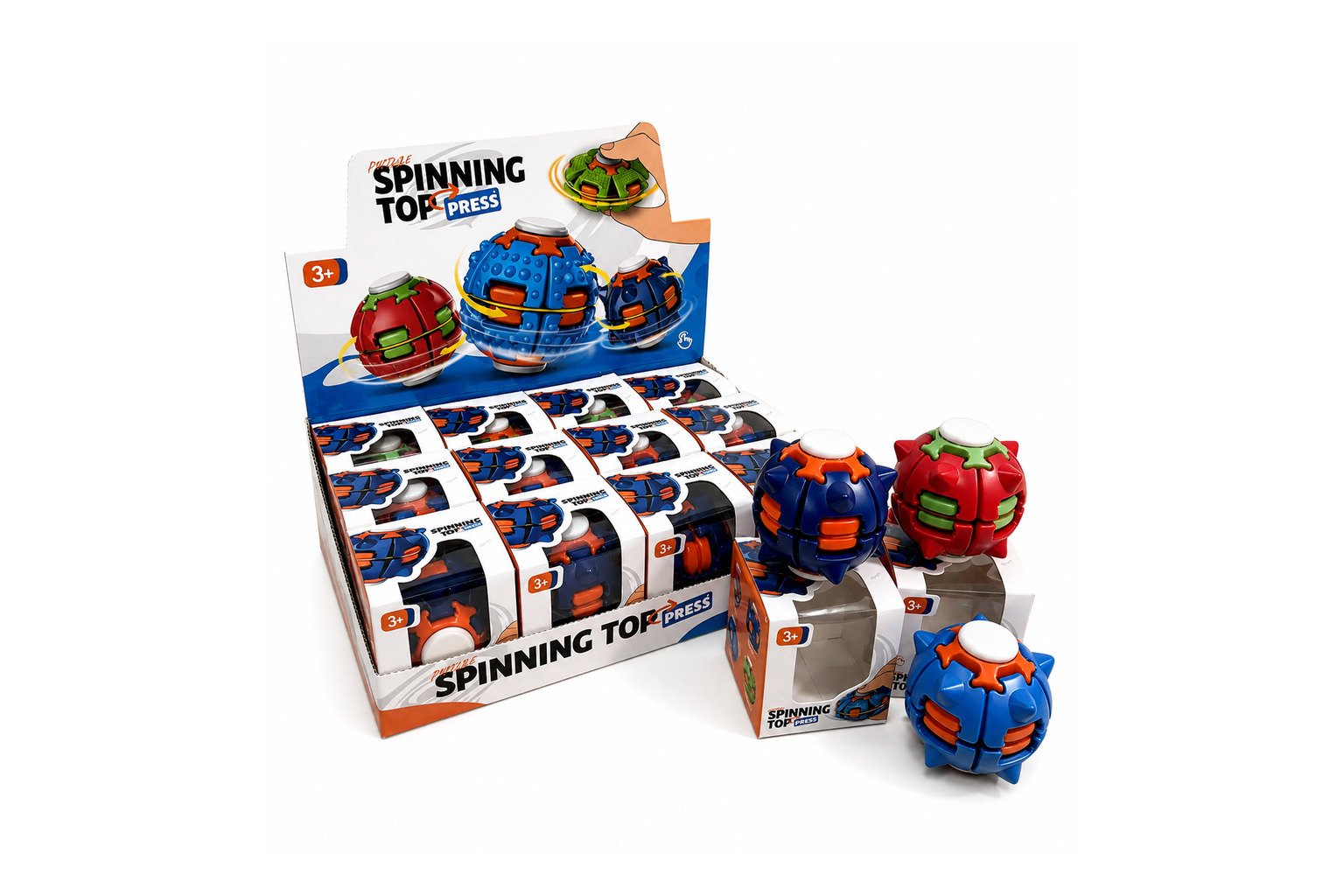
A useful review sheet separates component quantity, material basis, assembly operation, decoration, packaging and nonrecurring work. For a boxed item, identify the inner wrap, retail box and carton allocation without guessing their costs from a photograph. Ask which specification change caused each revised line and whether the quotation assumes the same order quantity and pack. Keep confidential factory details out of public copy; the purchasing goal is a comparable scope, not an invented supplier cost breakdown.
Evaluate alternatives without losing the product brief
Identify what must remain before asking for a lower-cost option. The essential interaction, recognizable appearance and relevant product requirements should not disappear in an undocumented substitution. Ask which proposed changes affect the component list, production process or supporting review. Compare alternatives using the same order quantity and finished presentation. Otherwise, a cheaper number may simply describe less product or a different level of preparation rather than a better manufacturing choice.
Toy BOM costing should keep commercial and compliance questions connected but distinct. The specification-sheet guide provides the product reference for a comparison, while material declarations and relevant testing records serve other purposes. A costed list is not a chemical disclosure or proof of compliance. If a suggested change affects the approved configuration, obtain the appropriate review before treating it as an interchangeable cost-saving measure.
Record the assumptions that made the quote work
Keep a dated summary of the toy BOM costing discussion, including the product revision, order basis, included presentation and alternatives reviewed. Identify which amounts are quoted and which remain estimates or separate development items. Do not present an internal comparison as a universal cost breakdown for all toys. Different constructions and processes can create different cost drivers, even when the finished items share a category or a similar retail price.
For a Vilora OEM inquiry, provide the approved priorities, current reference and specific cost questions through the quote request page. Use toy BOM costing to request a clear explanation of feasible options, not an unsupported claim that one material or process is always cheaper. The useful outcome is a traceable decision: which configuration was quoted, what work it includes and what must be reviewed if the buyer chooses an alternative.
Read More