The difference between white label vs private label toys can look simple on paper. White label usually means putting your brand on an existing product, while private label usually gives the buyer more control over the product itself.
Toy sourcing is rarely that tidy.
One supplier may call an existing toy with custom packaging “private label.” Another may reserve that term for products with custom colors, artwork or specifications. For buyers, the terminology matters less than the commercial arrangement behind it.
Can another retailer buy the same toy? Which parts are unique to your brand? Who controls artwork or tooling created for the project? Those questions reveal more than the label attached to the program.
Table of Contents
White Label vs Private Label Toys Is Really About Control
With a typical white-label program, the product already exists. The manufacturer has the basic design and production method in place, and the buyer adds branding or packaging without substantially changing the toy.
That can be useful. A retailer testing a new category may not need an exclusive product. A gift shop adding impulse toys may care more about building a cohesive branded assortment quickly than owning every detail of each item.
Private label generally moves toward more buyer-specific control. A product might use a particular color combination, character artwork, finish or other specification created for one retail program.
But supplier terminology is not perfectly standardized. The more useful question is: What can another buyer purchase after your product launches?
If another company can order the identical toy tomorrow and put it in a different box, most of the differentiation comes from your brand and presentation. If important elements of the finished SKU are reserved for your program, more of the differentiation comes from the product itself.
The Same Mold Does Not Always Mean the Same Product
Exclusivity does not always require developing a completely new toy.
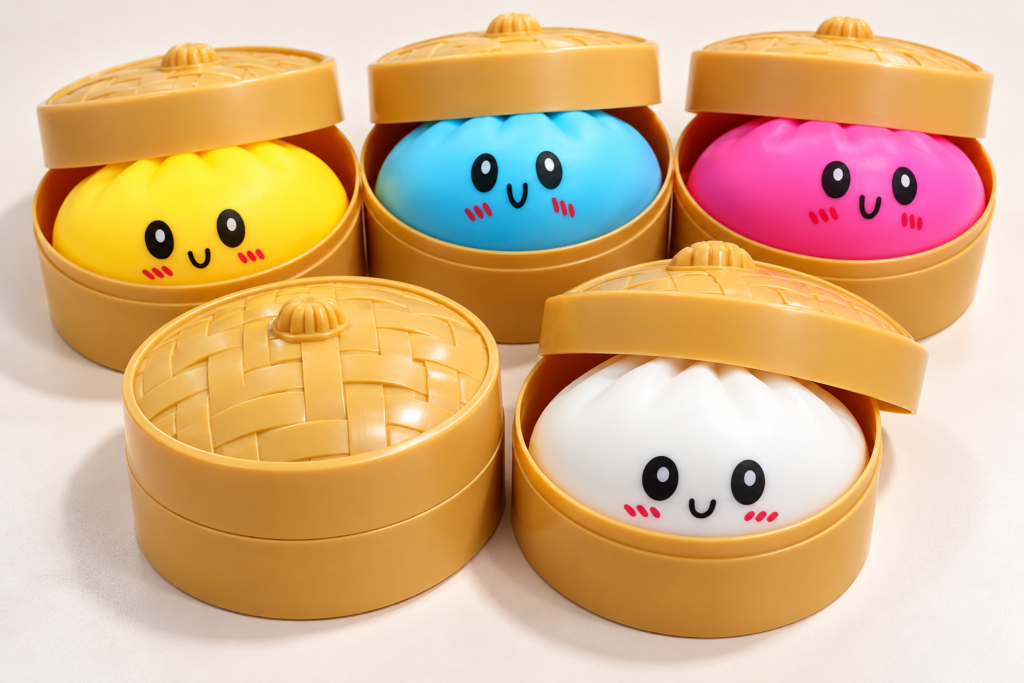
Imagine a manufacturer already has a dumpling-shaped squeeze toy. One retailer orders the standard colors in a branded display box. Another develops its own color palette, facial artwork and assortment using the same underlying mold.
They started with the same production platform, but they did not create the same retail SKU.
This middle ground matters because buyers sometimes assume there are only two choices: put a logo on a stock product or invest in completely original tooling. In reality, an existing platform can sometimes support meaningful differentiation without rebuilding the product from zero.
The right level depends on what shoppers are supposed to recognize. For some programs, the package carries most of the brand identity. For others, the toy should still look distinctive after it comes out of the box.
That is why the white label vs private label toys decision should start with the retail strategy, not the terminology.
Exclusivity Has More Than One Meaning
“Exclusive” sounds clear until someone asks what is actually exclusive.
A manufacturer might reserve your exact color combination while continuing to sell the same mold in other colors. Character artwork may belong to your brand even though the underlying shape is shared. A retailer might care about exclusivity only in a particular country or sales channel.
If exclusivity matters, identify what you are trying to protect: the complete product configuration, original artwork, a colorway, a custom mold or structural feature, or a particular territory or channel.
Brand ownership should not be confused with ownership of every element of the product. The U.S. Patent and Trademark Office explains that trademarks identify the source of goods or services, while patents and copyrights protect different forms of intellectual property.
For a real project, ownership and exclusivity should be confirmed in the relevant agreements rather than assumed from the words “private label.”
Ask Who Controls What You Pay to Create
A project may start with a standard toy, then add brand-owned elements over time.
Your company might supply character artwork, pay for custom packaging and later fund a new component or mold. At that point, ask a simple question: Who controls those assets after the first production run?
If the buyer funds new tooling, the agreement should make clear how that tooling can be used. The same applies to original artwork, packaging files and other brand-created materials.
Paying a development charge does not automatically explain every ownership or usage right.
This is an important part of comparing white label vs private label toys because a small first order can eventually become a repeat program. Decisions that feel minor at launch can matter much more once the SKU proves demand.
Not Every Toy Needs Maximum Differentiation
Private label has become a major retail strategy well beyond toys. The Private Label Manufacturers Association reported that U.S. store-brand sales reached a record $282.8 billion in 2025.
But building a brand does not mean every SKU needs original tooling.
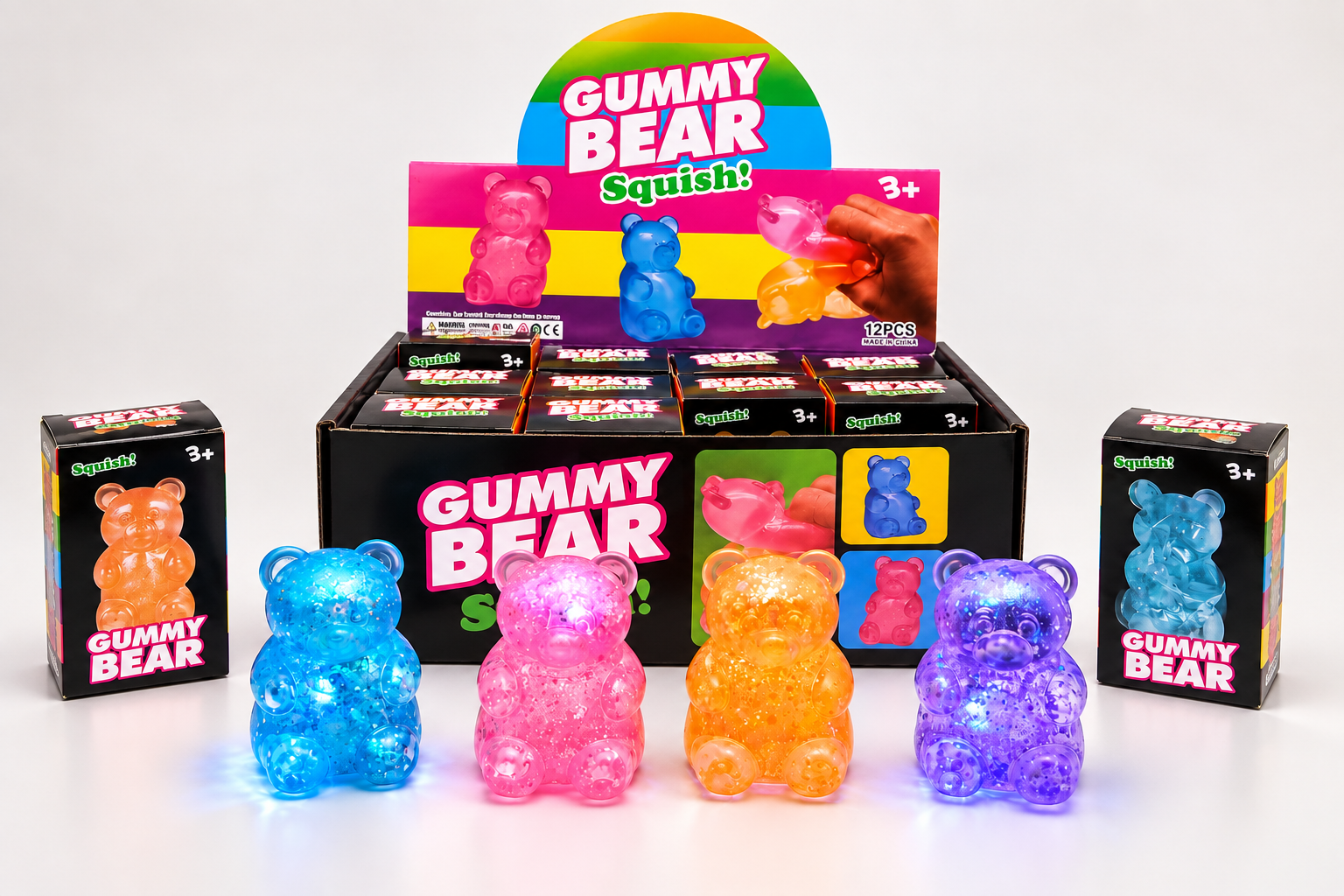
A retailer might use ready-to-brand products to test a category, add deeper customization to products showing repeat demand, and reserve original development for a smaller number of signature items.
Those products can do different jobs. A simple white-label item might fill a price point or seasonal gap. A more differentiated private-label SKU can make an assortment more recognizable. An original product may become a hero item associated specifically with the brand.
So white label vs private label toys does not have to be one company-wide decision. Different SKUs can justify different levels of control.
Decide What Must Remain Yours
Before choosing a sourcing route, imagine the product succeeding.
If another retailer offered the same toy in different packaging six months later, would that hurt your program? If not, a ready-made product may already do the job. Speed, assortment breadth and branding may matter more than exclusivity.
If it would matter, identify what shoppers actually need to associate with your brand. It may be the character, shape, color system, play feature or a combination of several elements.
Then ask the manufacturer about those elements specifically.
A useful white label vs private label toys discussion should answer four questions: what already belongs to the manufacturer’s product platform, what is being created for your program, what other buyers may still purchase, and what rights or restrictions are documented.
Once those answers are clear, the terminology becomes much less important. What matters is whether the product gives your brand the level of differentiation it actually needs.
Read More