
Strawberry, vanilla, fresh bread: these sound like clear directions until two people describe what they expect to smell.
One imagines fresh fruit. Another expects sweet candy. A third wants a creamy dessert note. All three might approve the word “strawberry” while disagreeing about the finished product.
For custom scented squishy toys, a fragrance name starts the discussion. Buyers need to separate three questions: what the scent resembles, how noticeable it should be, and when customers should notice it.
Table of Contents
Which Version of “Strawberry” Do You Mean?
A familiar name can hide a broad range of expectations.
Fresh strawberry, strawberry candy, and strawberries with cream suggest different directions. The same applies to vanilla frosting versus vanilla ice cream, or toasted bread versus a sweet bakery aroma.
For custom scented squishy toys, add a short description of the intended character instead of relying on the fragrance label alone.
For example:
A light strawberry-candy scent, with a sweet fruity character and no strong creamy note.
That description is still subjective, but it gives the development team something specific to discuss. It also identifies a direction the buyer does not want, which can be useful when several fragrance options share the same name.
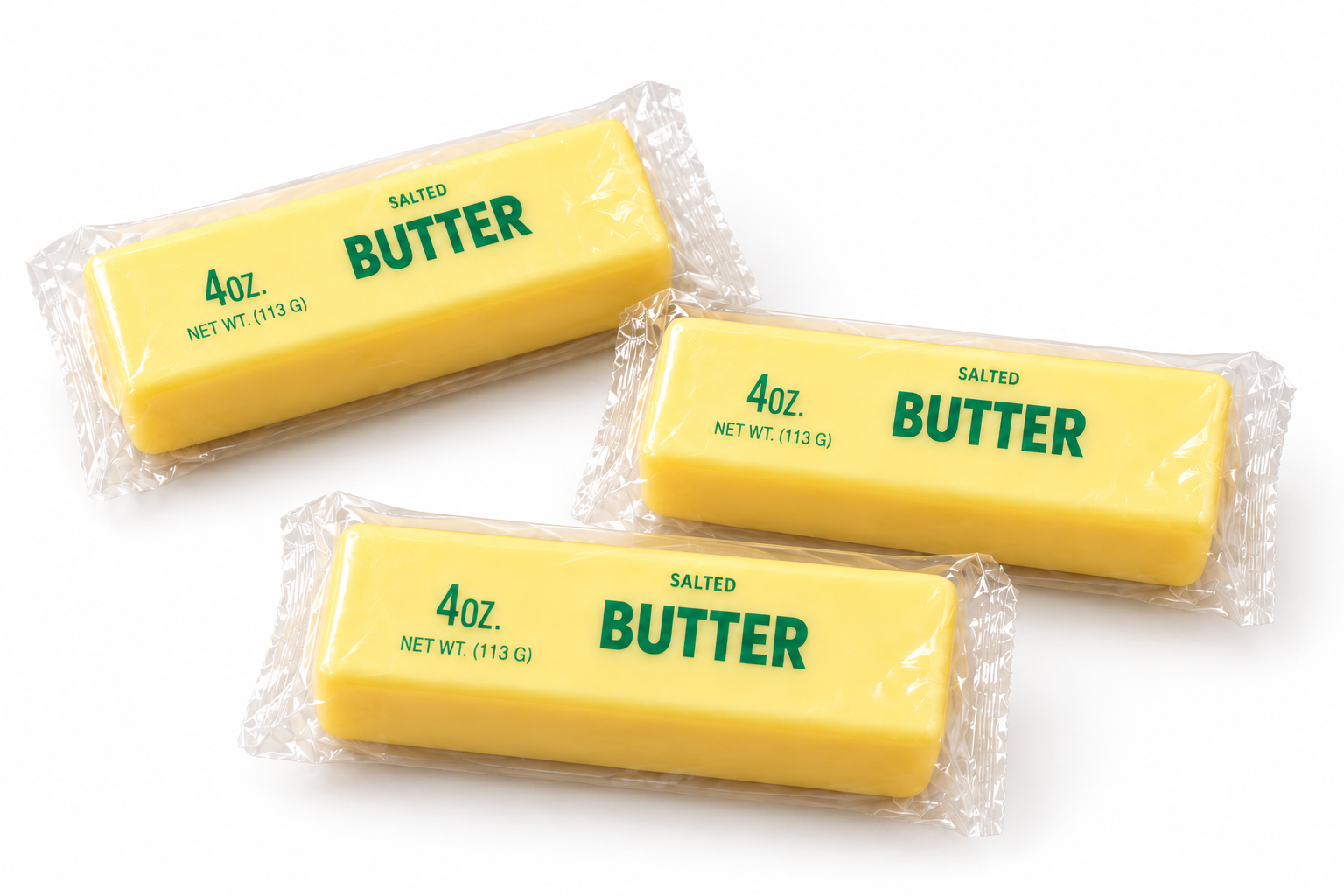
Keep appearance separate from fragrance. Vilora’s Realistic Butter Stick Squishy illustrates a recognizable food shape; that appearance alone does not establish that the product has a butter scent.
A request for custom scented squishy toys should identify fragrance as a separate development requirement. When preparing an OEM/ODM inquiry, include the desired scent direction alongside the proposed material and product construction so the team can assess feasibility.
Stronger Is Not the Same as More Accurate
Suppose a sample smells too much like sweet candy when the buyer wanted fresh fruit. Increasing its intensity would not correct that mismatch. It would make the unwanted impression more noticeable.
For custom scented squishy toys, settle the fragrance direction before asking for a stronger or weaker version.
Then describe when customers should notice the scent. Should it be noticeable mainly during ordinary handling? Should opening the individual package create a brief first impression? Is a subtle effect preferable because the product will share a display with other scented items?
These are design choices, rather than interchangeable definitions of “strong.”
The PerfumersWorld glossary distinguishes fragrance strength from tenacity—the ability to retain a characteristic smell over time. Those terms help separate two requests that buyers sometimes combine: “make it more noticeable” and “make it last longer.”
During discussions about custom scented squishy toys, avoid using “stronger” to mean “better.” A recognizable scent at the intended moment may fit the concept better than an intense aroma that dominates every interaction.
Record whether feedback concerns the fragrance’s character or its intensity. “Too sweet” and “too strong” should not automatically trigger the same adjustment.
What Does “Long-Lasting” Need to Mean?
A scent noticed immediately after opening a package answers one question. A scent noticed after the product has remained unpacked answers another.
For custom scented squishy toys, an undefined request for “long-lasting fragrance” leaves too much room for interpretation.
Before comparing options, describe the situation that matters commercially. Perhaps the product is sold individually sealed and the opening experience is central. Perhaps it will sit unpackaged on a demonstration counter. Those conditions call for different observations.
Ask the development team to propose a realistic evaluation period for the actual construction. Identify when the sample was produced, when it was unpacked, and when observations were made. A newly produced sample and one that has spent weeks open should not be treated as equivalent references.
Avient’s fragrance technologies information lists fragrance type and base resin as separate customization choices. A scent available for one polymer application is not automatically suitable for every squishy material.
Any proposed fragrance needs review in the actual finished construction. A pleasant smell is not evidence of material compatibility or product safety, and a general fragrance brochure cannot establish a toy’s scent lifespan.
The clearest brief for custom scented squishy toys therefore describes a specific experience: the fragrance character, its intended intensity, and when the scent should be noticeable. That gives development a more useful target than a fragrance name followed by “make it last.”
Read More