“We have 180 students, Monday through Thursday. We need enough small toys for everyone.”
The program director had enrollment by site. What she did not have was one clear definition of “enough.”
Some products would stay in the activity room and be used again the next day. Others were prizes students could choose on Fridays. A third group was meant for family-night bags and would leave the building immediately.
Those were three different quantities hiding inside one request for after-school program supplies.
The first quote treated every item as a giveaway. It priced 180 of each style, individually bagged. That would have filled the storage cabinet and used most of the budget before the second month.
She stopped the quote and put the weekly schedule on the table instead.
Table of Contents
Monday’s Bin Comes Back on Tuesday
The program ran four rotating stations: homework, art, games and a quiet table. Only the quiet table needed tactile toys.
Twenty-four students could be in that room at one time. They did not each need a permanent item. The staff needed 24 usable pieces, a few backups and a container that made the end-of-day count obvious.
They chose two products rather than eight: a soft squeeze item and a quiet handheld fidget. Each had a designated space in a divided bin. A photo inside the lid showed what belonged there.
The order dropped from 180 of each product to 30—enough for the room, plus six spares. Staff could also tell whether everything had returned before the group changed rooms.
Good after-school program supplies have to work with the number of students present at the same time, not simply the number enrolled on paper.
Friday Prizes Were a Separate Order
The Friday prize cart worked differently. During the week, students earned tickets they could spend at the prize cart on Friday. The toys they picked went into their backpacks.
Here the program needed variety and steady replenishment. Six recognizable styles made more sense than two matching products. Individual bags were useful because the items would move from the cart to backpacks.
The director reviewed four weeks of ticket use before setting the quantity. Four weeks of records showed that the cart went through 45 to 60 prizes on a typical Friday. The director started with 500 and planned to adjust the next order once she knew which styles students actually chose.
The purchase order separated the assortment by product style. “500 assorted toys” could have allowed one slow-moving design to dominate the shipment. The final order gave each style a range and required approval before any substitution.
Reusable products and prizes could ship in the same master order. They did not belong on the same line of the packing list.
After-School Program Supplies Need a Home Base
The program operated at three elementary schools. At first, the director planned to divide everything evenly.
One site had 92 enrolled students. Another had 54. The smallest had 34 and met in a multipurpose room that had to be cleared every evening. Equal cartons would not have produced equal usefulness.
The larger sites received divided bins. The smallest received a lidded tote that staff could move to a locked closet. Each container had a site name, product list and reorder contact.
Blue labels identified reusable room supplies. Yellow labels identified take-home prizes. Staff did not have to open a package to decide where it belonged.
Afterschool Alliance materials emphasize intentional program design and the resources staff need to carry out activities. The same logic applies to after-school program supplies. A product without a storage plan quickly becomes loose inventory.
Staff Tested the Toys During a Real Session
Samples for the shared after-school program supplies were not approved in the director’s office. They went into one Tuesday session with two staff members watching how they were handled.
One product rolled off the table repeatedly. Another made more noise than the sample video suggested. A third was still covered in fingerprints when the next group came in, and staff did not have time to clean it between rotations.
The staff kept the two simpler choices and asked for larger pieces than the original quote showed. The smallest fidgets were easy to lose during a room change.
Staff were not being asked whether the toys improved attention. They were deciding whether they could manage them in a room full of children and still keep the afternoon moving.
That Tuesday afternoon settled the question faster than another round of product photos would have.
Plan for the Pieces That Go Missing
The first packing proposal put the reusable items into 24-piece sets. The director pushed back: losing one piece should not mean replacing the other 23.
The main office held ten extra pieces of each reusable product. Names on the reserve carton matched the site inventory cards.
The director scheduled a monthly count. At the end of the month, each site emailed the central office a short list of what it had used. Replacements went out with the next supply run.
Federal grant rules or local purchasing procedures may impose additional inventory requirements. Those rules should come from the organization administering the funds. Small consumable items may not be tracked like equipment, but “small” does not mean nobody needs to know where the supply went.
After-School Program Supplies Need Different Take-Home Packaging
Family night added 200 giveaway bags to the same purchase. The program originally planned to use leftover Friday prizes.
That would have made the event assortment depend on whatever happened not to be popular during the school year.
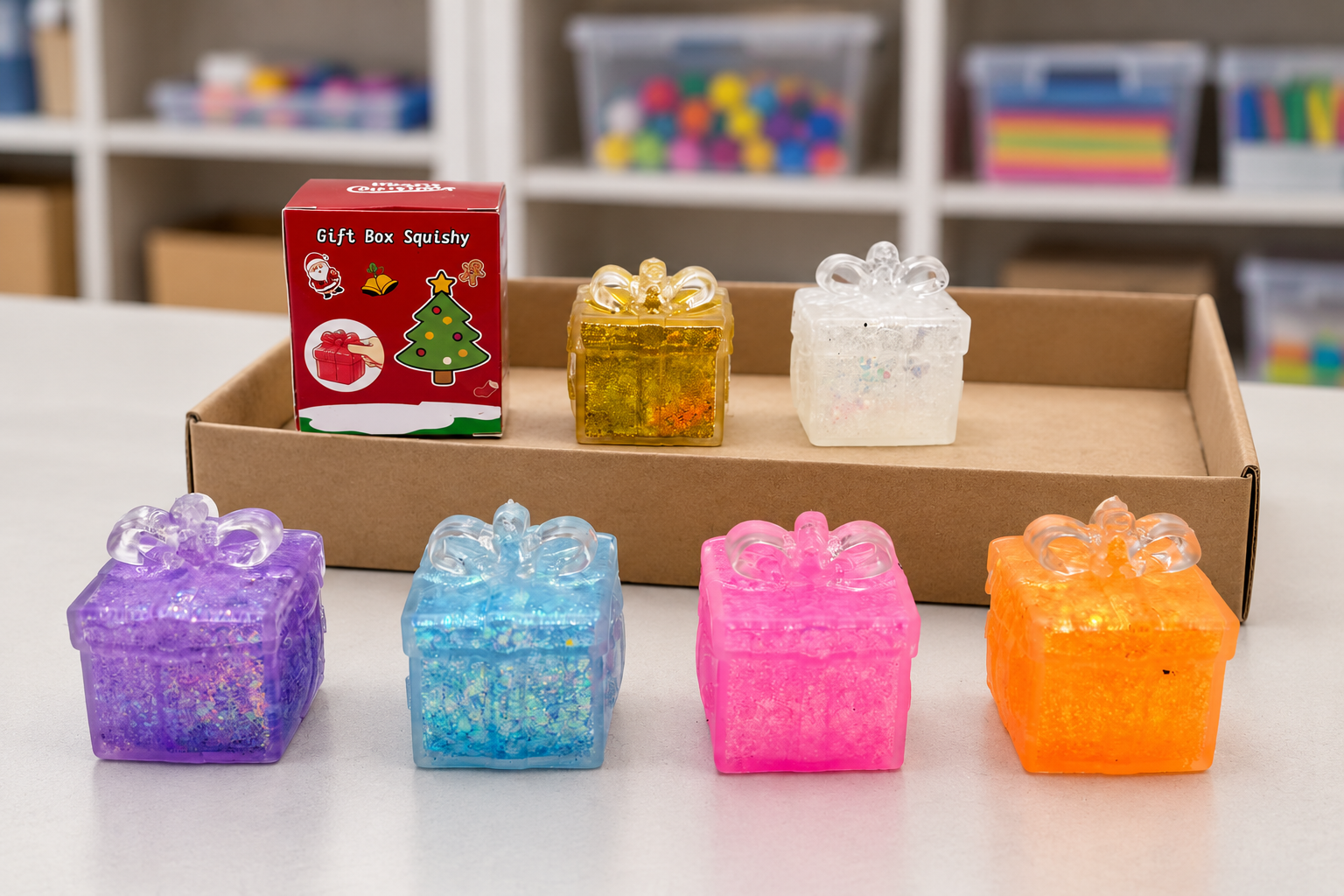
Instead, family night received its own four-style mix. The factory packed the family-night toys in simple individual bags and kept each style together inside the carton. Volunteers could fill event bags without opening retail boxes or counting leftovers from the prize cart.
Reusable products stayed in simple bulk packaging. Individual retail boxes would have added waste and taken up cabinet space.
Packaging for after-school program supplies should follow the next task. Staff may need to count and return an item, restock a prize cart or place it into a take-home bag. Those jobs do not require the same package.
The Final Request Followed the Program Calendar
The finished inquiry for after-school program supplies no longer asked for “small toys for 180 students.” It asked for:
- 30 pieces each of two approved reusable products for three program sites
- 500 individually bagged prize items across six named styles
- 200 individually bagged family-night items across four named styles
- One reserve carton with ten extra pieces of each reusable product
- Site labels, inner-pack quantities and carton markings
- Delivery to the district office two weeks before the first program date
Age grading and applicable product documentation still had to be reviewed for every finished SKU. A replacement could not enter the order simply because it fit the same price and carton space.
By then, the order matched the way the week actually worked: shared toys went back into their bins, prizes went home and worn pieces could be reordered on their own. Enrollment starts the conversation. The weekly schedule finishes the order.
For pricing, send the program schedule rather than a single enrollment number. A useful request for after-school program supplies includes the site count, simultaneous group size, reusable and take-home quantities, age range, packing plan, destination ZIP code and required arrival date. Vilora Toys can then review products and packing options against the way the program actually operates.
Read More
• How to Choose Squishy Toys for Your Product Line
• Novelty Toy Packaging: What Buyers Should Decide Before Production
• Squishy Toys in Bulk: How Buyers Should Plan a Larger Order