

Animal squishies give retail buyers plenty of assortment choices, from familiar pets and farm animals to ocean creatures, fantasy designs, and newer character-driven shapes. But when sourcing animal squishy toys wholesale, choosing appealing designs is only one part of the buying decision.
A stronger assortment starts with practical questions. Can different animals be mixed in one order? Does each design have its own minimum? How much counter or shelf space will the packaging use? Can slower designs be reordered separately from stronger ones? Buyers should answer those questions alongside the broader product criteria covered in How to Choose the Right Squishy Toys for Your Product Line before committing to a bulk order.
Table of Contents
Build the Assortment Around the Retail Space
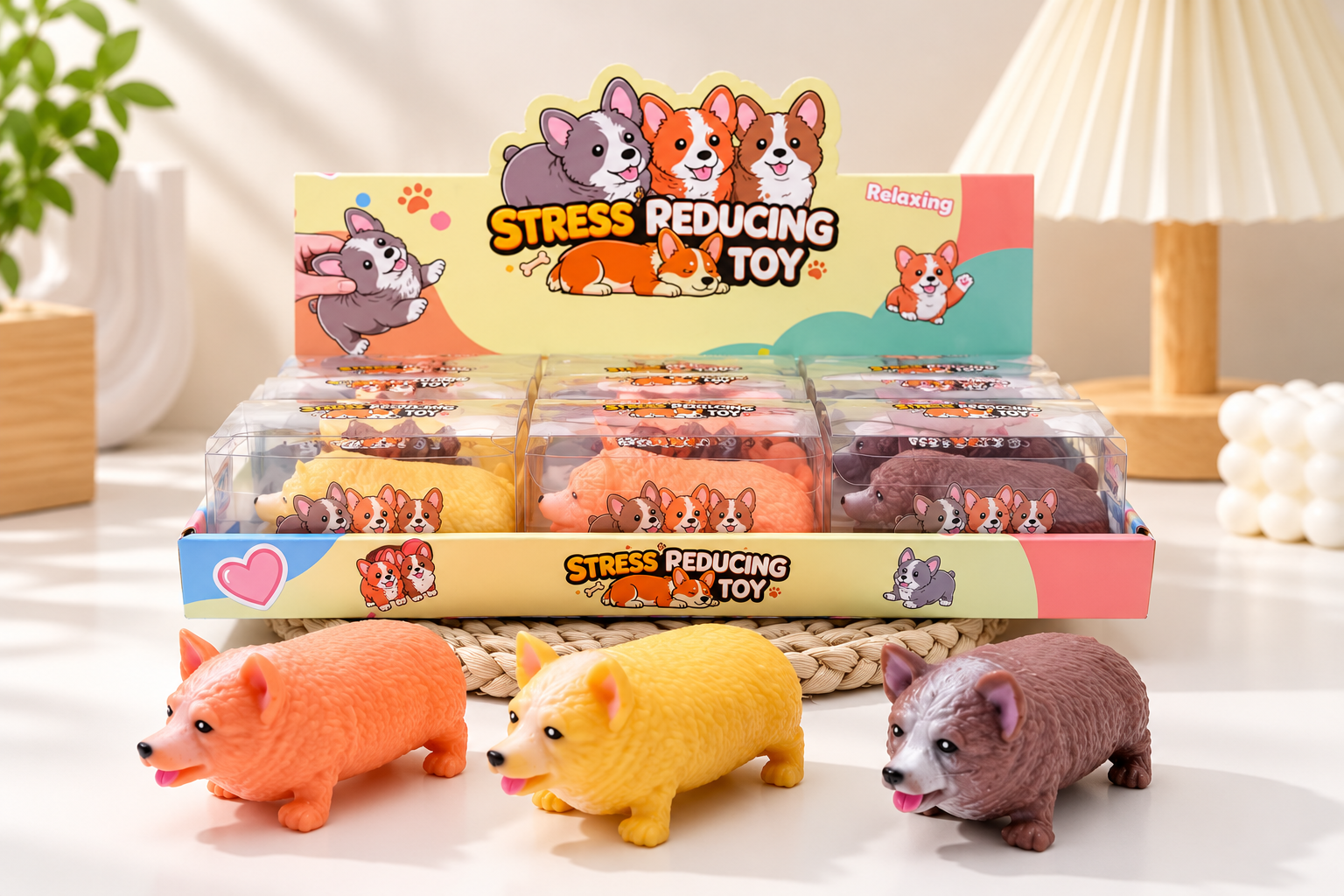
When sourcing animal squishy toys wholesale, the assortment should fit the way the products will actually be displayed. A small checkout counter may favor compact products in a countertop display, while a larger novelty section can accommodate individually packaged items and a wider mix of shapes.
Instead of assuming that more designs automatically create a better assortment, buyers can start by grouping products into recognizable themes. Pets, farm animals, ocean life, woodland animals, and fantasy creatures can each create a more coherent display than an unrelated mix of individual shapes.
Size matters as well. Mini products can put more designs into a limited display area, while larger squishies require more shelf space and may serve a different price position. Buyers working with tight merchandising areas can also compare the space-planning considerations discussed in Small Toys in Bulk: Buy for the Space, Not Just the Piece Count.
Compare Construction Before Comparing Animal Designs
“Soft” and “squishy” are not precise enough for a wholesale specification. Animal squishy toys wholesale can include products made with different materials and constructions, and those differences affect compression, rebound, stretch, surface feel, weight, and packaging requirements.
PU foam is commonly used for slow-rising squishy products, while TPR is used in a range of soft, elastic, molded or filled novelty products. Buyers should not assume that every TPR item has the same stretch, rebound, surface finish, or cleaning requirements. Those properties can vary with formulation, product structure, filling, coating, and design.
For that reason, the physical sample matters. A useful comparison should document material or construction, dimensions, weight, rebound behavior, surface finish, filling where applicable, and packaging. When two animal designs look similar in catalog photos, those specifications can reveal meaningful differences that are difficult to judge from appearance alone.
Ask How Mixed Designs Affect the Order
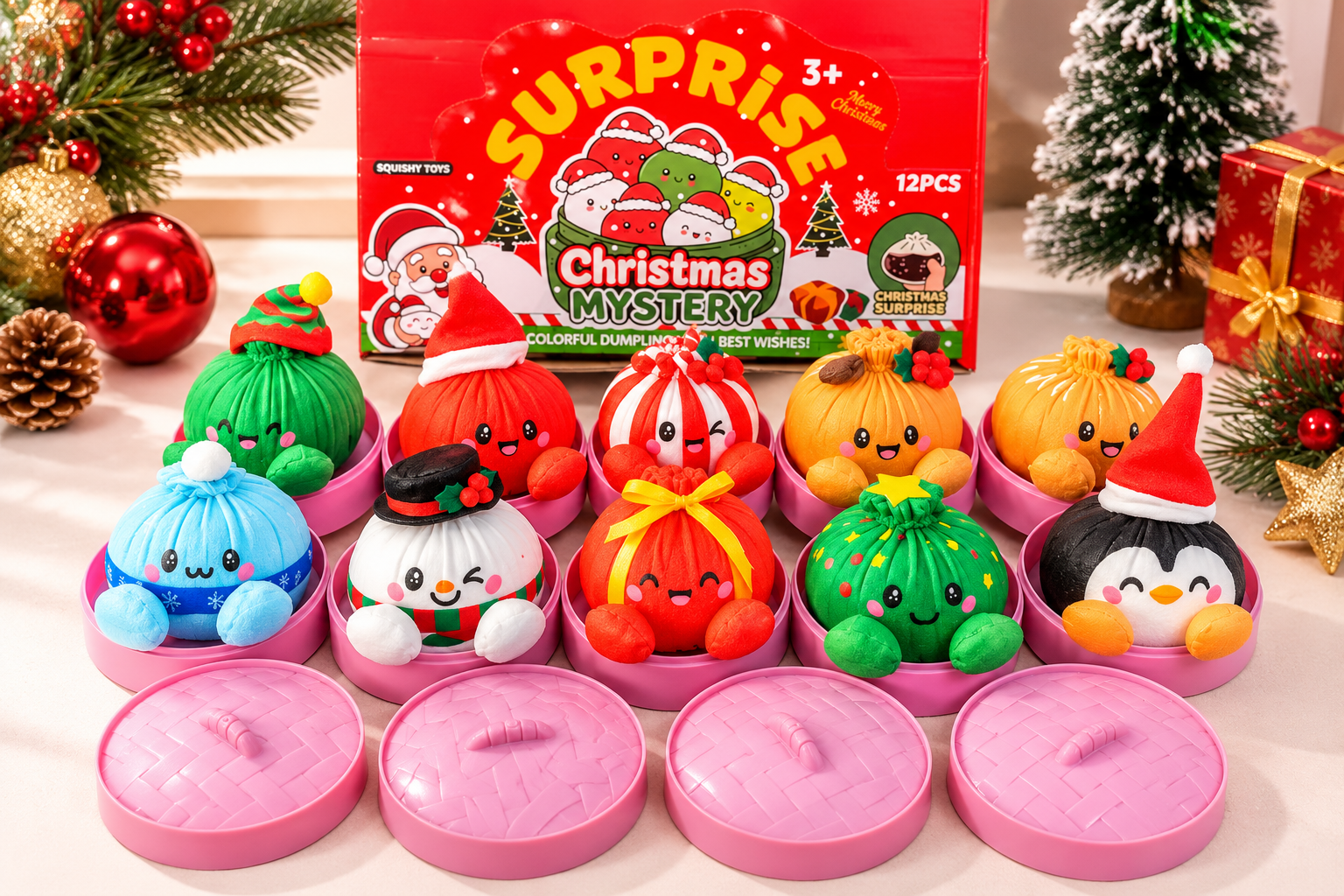
One of the most useful questions when sourcing animal squishy toys wholesale is whether the supplier treats the assortment as one order or applies minimum quantities to each design, color, or packaging variation.
Consider an illustrative example. A gift shop wants several animal designs for one counter display. Supplier A allows multiple existing designs within the quoted order quantity. Supplier B requires a separate minimum for every design.
The second quotation may still be attractive, but the buyer takes on more inventory depth per SKU. That matters if one animal sells through faster than another or if the store later wants to replace only the slower designs.
- Is the MOQ applied per order, design, color, or packaging style?
- Can existing animal designs be mixed in one case or production order?
- Are assortment ratios fixed or selectable?
- Can individual designs be reordered separately?
- Does custom packaging change the minimum?
These questions are more useful than comparing unit price alone because they show how much inventory flexibility comes with the quotation.
Match Packaging to Display and Replenishment
Packaging affects more than appearance. It changes display footprint, staff handling, labeling space, carton utilization, and the way individual products are replenished.
A countertop display or PDQ can make a mixed assortment easier to place near checkout. Individual retail boxes or other retail-ready formats can protect products and provide room for required information. Other products may use bags, header cards, blind packaging, or bulk packing depending on the intended sales channel and product.
Before artwork begins, buyers should confirm the finished package dimensions, units per inner pack, units per master carton, carton dimensions, and whether mixed designs remain identifiable during receiving and restocking. Buyers considering branded presentation can review Custom Squishy Toy Packaging: What Buyers Should Decide Before Artwork Begins before finalizing a packaging specification.
Verify the Requirements for the Actual Product
For products sold as children’s toys in the United States, compliance should be reviewed against the actual product, intended age, materials, construction, and applicable requirements—not against a generic statement that a supplier is “CPSC certified.”
The U.S. Consumer Product Safety Commission explains that ASTM F963 covers numerous toy-safety requirements and that not every section applies to every toy. For products designed or intended primarily for children 12 and younger, manufacturers and importers may also have third-party testing and Children’s Product Certificate obligations for applicable requirements. Buyers can review the CPSC Toy Safety Business Guidance when evaluating documentation.
Mini products deserve particular attention because applicable small-parts requirements and choking-hazard labeling depend on product characteristics and intended age. Children’s products are also subject to applicable tracking-label requirements, with identifying information required on the product and packaging to the extent practicable.
For animal squishy toys wholesale, the practical approach is to request documentation for the specific SKU being considered rather than relying on a general factory statement or a report from a different product.
A well-planned animal squishy toys wholesale assortment therefore starts with more than choosing the cutest shapes. Design mix, construction, mixed-SKU rules, packaging, case information, reorder flexibility, and product-specific compliance documentation all belong in the buying decision. Comparing those details before the purchase order gives buyers a clearer picture of how the assortment will work from receiving through replenishment.
Read More