

A familiar song, a basket of towels to fold, or a favorite photograph can sometimes be a better starting point for an activity than a brand-new toy.
For Memory Care Communities, the challenge isn’t finding the most colorful products. It’s choosing materials that fit residents’ interests, abilities, and daily routines.
That makes purchasing memory care activity supplies different from stocking a general recreation room. Items need to be easy for staff to introduce, appropriate for the people using them, and practical to maintain.
Soft tactile products may be one option, but they’re only a small part of a thoughtful activity program.
Table of Contents
Begin With Familiar Activities
A resident who once enjoyed gardening may like sorting seed packets or looking through flower photographs. Someone who worked in an office might prefer organizing papers or handling familiar stationery.
These activities don’t have to be complicated.
The National Institute on Aging recommends adapting activities to what a person can do, helping them get started, and allowing them to participate at their own pace.
For a Life Enrichment Director, that suggests starting with residents’ histories rather than ordering a standard assortment of games.
Ask care staff and families which activities residents have enjoyed. Look for opportunities to offer music, photographs, simple household tasks, art, or appropriate hands-on objects.
When purchasing memory care activity supplies, familiar materials may be more useful than products selected only for their novelty.
Keep Handling Simple and Appropriate
Some residents may have difficulty following several instructions, manipulating small objects, or maintaining attention through a long activity.
Others may enjoy more involved tasks. Dementia affects people differently, and abilities can change over time.
The Alzheimer’s Association advises caregivers to adapt activities to individual abilities, provide support, and focus on enjoyment rather than completing a task perfectly.
For purchasing teams, that means considering how an object will actually be used.
Can it be picked up comfortably? Does it require several steps? Is the surface pleasant to handle? Could a loose component become a hazard?

Simple soft objects may be considered for supervised tactile activities when the care team determines they’re appropriate. However, squishy toys with exposed filling, detachable decorations, or realistic food shapes may create unnecessary risks for some residents.
Our guide to squishy toy texture explains how different designs can vary in resistance and surface feel.
These differences matter when comparing memory care activity supplies, but product appearance or softness alone cannot establish suitability.
Review Safety Before Placing an Order
A children’s toy safety label isn’t the same as an assessment for use in a memory care setting.
Before ordering, ask the supplier about product construction, materials, dimensions, packaging, and cleaning instructions.
For squeeze toys, inspect samples for weak seams, tears, loose attachments, and the possibility of filling leakage. Products that resemble candy, fruit, or other foods deserve particular caution where a resident may mistake an object for something edible.
Facility staff should also determine the appropriate level of supervision and whether items can be shared or should be assigned individually.
If a product cannot be cleaned according to the community’s infection prevention procedures, it may not be suitable for shared activities.
A squishy toy inspection guide can help buyers understand what to examine in product construction and finished batches. Commercial quality checks, however, do not replace a resident-specific safety assessment.
For memory care activity supplies, purchasing decisions should involve activity staff and the appropriate clinical or care team members before products are introduced.
Try Small Sessions and Observe Participation
Ordering several cartons before anyone has handled the products can leave a community with supplies that residents rarely use.
A better approach is to test a small selection during appropriately supervised activities.
Staff might introduce one familiar object or simple task at a time. They can observe whether a resident shows interest, needs assistance, prefers watching, or wants to stop.
The Alzheimer’s Association also encourages flexibility in daily activities, including adjusting the schedule when a person becomes tired or frustrated.
An activity doesn’t need a measurable score to be worthwhile. A resident may enjoy holding an object, listening to a familiar song, or joining a conversation without completing a formal task.
When evaluating memory care activity supplies, staff feedback should focus on engagement, comfort, practical handling, and any safety concerns.
If a product creates confusion or distress, don’t keep using it simply because it has already been purchased.
Give Purchasing Teams Clear Product Requirements
Once the activity team identifies suitable items, procurement needs enough information to order them consistently.
A useful request should include product dimensions, material and filling details, packaging, proposed quantity, and any cleaning or safety information the supplier can provide.
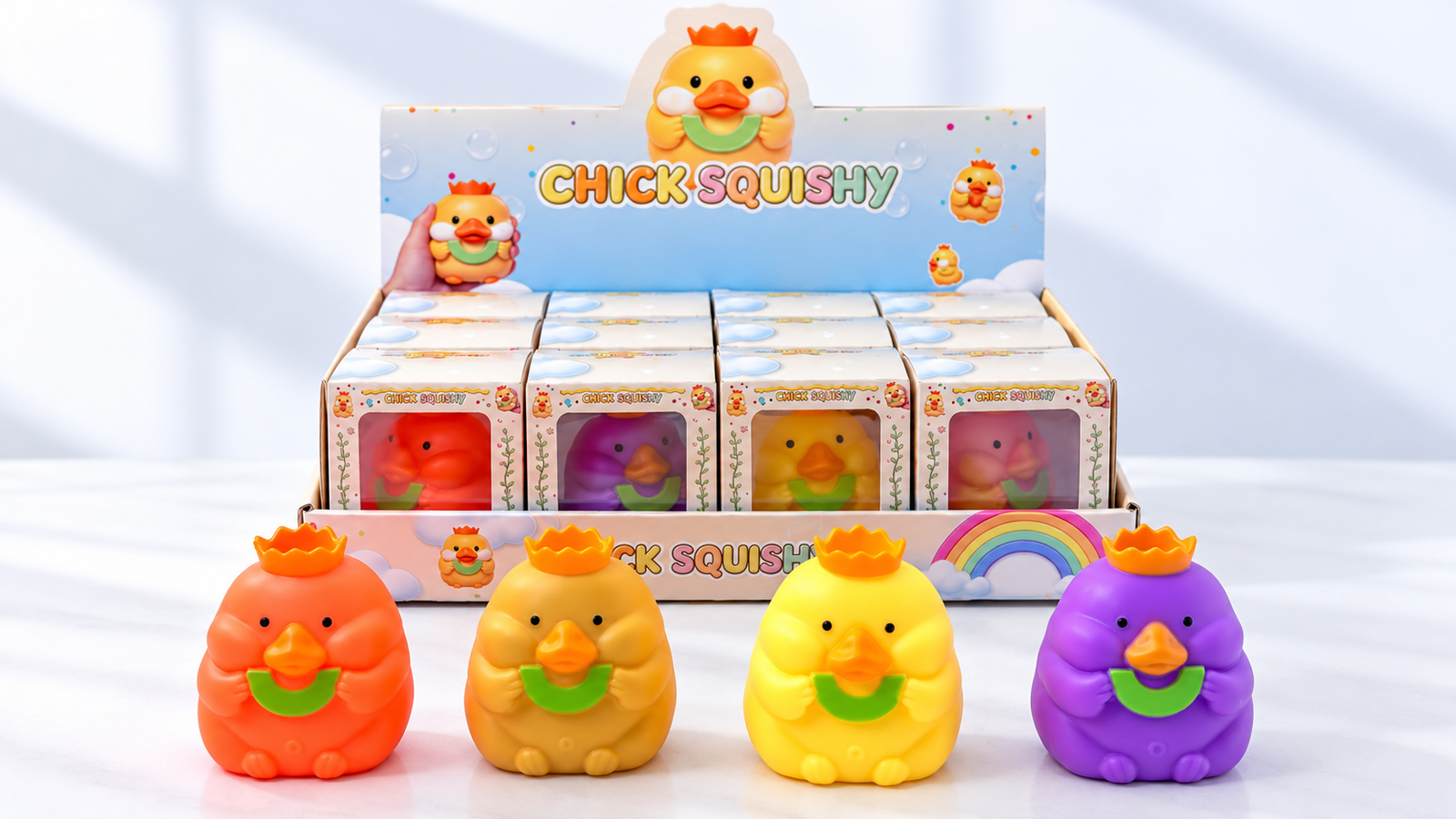
Ask for physical samples when handling characteristics matter. Photographs cannot show how much pressure an object requires or how its surface changes after repeated use.
Our squishy toy sample approval guide covers practical checks buyers can make before committing to larger quantities.
Purchasing teams should also confirm whether approved products can be reordered, whether designs may change, and how replacements will be packed.
Keep records of which items were accepted by the community’s care team, how they are used, and when they should be inspected or replaced.
The best memory care activity supplies aren’t necessarily the newest or most elaborate products. They’re the ones selected with individual residents in mind, reviewed for appropriate use, and supported by a purchasing process staff can manage.
For Memory Care Communities, thoughtful selection matters more than filling a storage closet.
Read More