
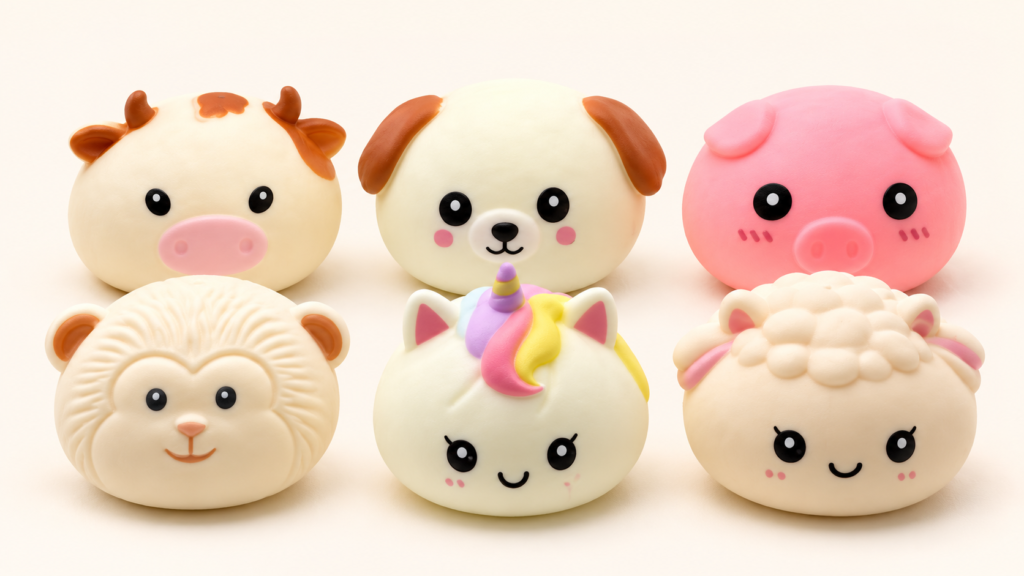
A two-color logo and a full-color photograph ask very different things of a printer. Put either design on a soft, curved surface, and the product adds another set of constraints.
The main stress ball printing methods include pad printing, screen printing, digital UV printing, and flexible transfers. Choosing between them starts with the finished item: its material, surface, shape, and how much the decorated area moves when squeezed. The artwork comes next. A process that works on a PU foam ball may need a different approach on a filled TPR toy.
Use this table to compare stress ball printing methods for your artwork:
| Artwork requirement | What to discuss with the supplier |
|---|---|
| Compact logo | Pad printing and the appropriate flexible ink |
| Accessible flat area | Screen printing and product support |
| Photograph or gradient | Digital UV equipment and ink compatibility |
| Flexible transferred image | Application conditions and edge adhesion |
Table of Contents
Pad Printing for Compact Logos and Curved Areas
Pad printing uses a silicone pad to pick up ink from an etched plate and transfer it to the product. It is commonly used for small graphics on shaped objects, making it a practical starting point for simple promotional logos.
The ink matters as much as the machine. Inkcups lists its flexible SB Series ink for stress balls, including polyurethane-based and rubber-like applications. That illustrates why a supplier should identify the ink system as well as the process name.
When comparing stress ball printing methods, ask what happens when the artwork needs another color. Separate impressions must line up on a soft object. A tiny gap that looks harmless in the artwork can become noticeable if the colors shift during printing.
Before adding another color, decide whether it makes the logo easier to recognize. A clear one-color wordmark may communicate better than a crowded miniature version of the complete brand artwork.
Screen Printing Where the Surface Supports It
Screen printing pushes ink through a prepared mesh screen. A relatively flat, accessible print area can make this approach worth discussing, particularly on suitable cube-shaped products. The StressBallsUK printing guide describes screen printing among the processes it uses for stress products.
The word “cube” does not settle the choice. Vilora’s Stretchy Squishy Cube is a flexible TPR product. Its broad face should not be treated as equivalent to a firm, flat printing surface without a decorated-sample review.
When comparing stress ball printing methods, check how the supplier holds the product during printing. Ask whether the chosen face stays stable in the fixture and whether the print remains clear after normal squeezing.
For a buyer, the useful comparison is the finished result on the selected SKU. A clean print on a different foam sample is only a reference.
Digital UV Printing for Photographs and Shaded Artwork
Digital UV printing applies an image directly to the object and cures the ink with ultraviolet light. It can be worth considering when a photograph, gradient, or multiple colors are central to the design.
However, “UV printed” does not automatically mean suitable for squeezing. Inkcups distinguishes rigid and flexible UV ink systems and identifies stress balls among applications for a flexible formulation.
This is where stress ball printing methods need to be compared beyond image quality. Can the equipment reach the curved area cleanly? Does the selected ink suit the actual surface? Can the product be positioned consistently without compressing it into a different shape?
Approve a physical print at its intended size. A photograph may look excellent in a large digital mockup while losing the details that matter once reduced to a small promotional item.
Flexible Transfers When the Decoration Needs to Move
A flexible transfer carries a prepared image onto the product rather than printing every part of the image directly onto its surface. Some systems use heat and adhesive to bond the decoration.
Among stress ball printing methods, transfers introduce another compatibility question: can the product tolerate the application conditions? Confirm this for the actual construction before selecting the process.
Request a sample showing the final image, its edges, and how it behaves during normal handling. Your sample approval should cover the decorated version as well as the undecorated body.
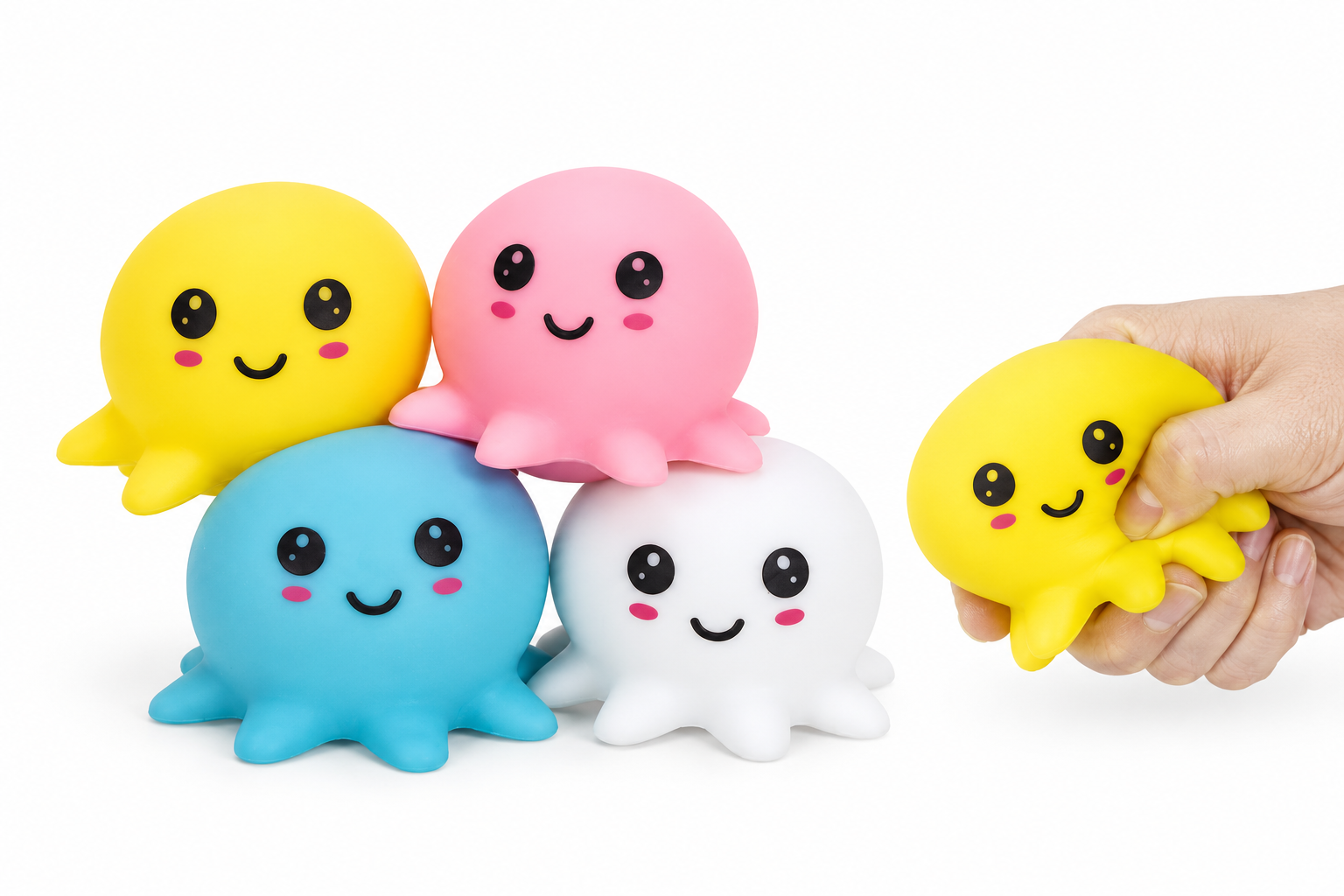
These are starting points, not promises that every process is available for every toy. For a Vilora customization inquiry, send the product reference and artwork together. Comparing stress ball printing methods becomes useful when the supplier can recommend a process for that specific combination.
Read More