

It’s Monday morning, and the activities team is getting ready for a busy week. There’s a small-group session after lunch, a seasonal craft on Wednesday, and a quieter tabletop activity planned for Friday.
The calendar is ready. The supplies aren’t.
That gap is why assisted living activity kits can be useful. Instead of gathering materials from different closets before every session, staff can prepare sets of supplies for specific activities.
A good kit isn’t simply a box of colorful items. It should make an activity easier to run while giving residents meaningful choices about how they participate.
Table of Contents
Plan Kits Around the Activity Calendar
Start with the activities already on the schedule.
A social hour may call for conversation prompts, familiar objects and a few easy-to-handle tabletop items. A seasonal session might need craft materials and decorations. A quiet individual activity could use a small selection of tactile objects, provided they are appropriate for the resident.
These are different needs. They shouldn’t automatically receive identical supplies.
The National Institute on Aging encourages older adults to take part in activities they find meaningful, including hobbies, games and social opportunities.
Activities Directors can use that principle when planning assisted living activity kits. Begin with the purpose of each session, then decide which supplies actually support it.
It also helps to prepare a backup option. A resident who doesn’t want to join a group craft may prefer conversation or a simpler hands-on activity.
Make Each Kit Easy for Staff to Use
A kit should save preparation time, not create another organizational problem.
Give each kit a clear label showing the activity name, suggested group size, contents and any setup instructions. If an activity requires supervision or special handling, make that visible before staff open the box.
For a tabletop session, staff might prepare several suitable hand-held items, a few conversation cards and a short activity guide. Materials should be selected according to the residents taking part, not simply because they’re inexpensive or visually appealing.
The Alzheimer’s Association recommends adjusting activities to individual abilities and providing support when needed.
That matters when assembling assisted living activity kits. An item that’s comfortable for one resident may be difficult for another to grip, understand or use safely.
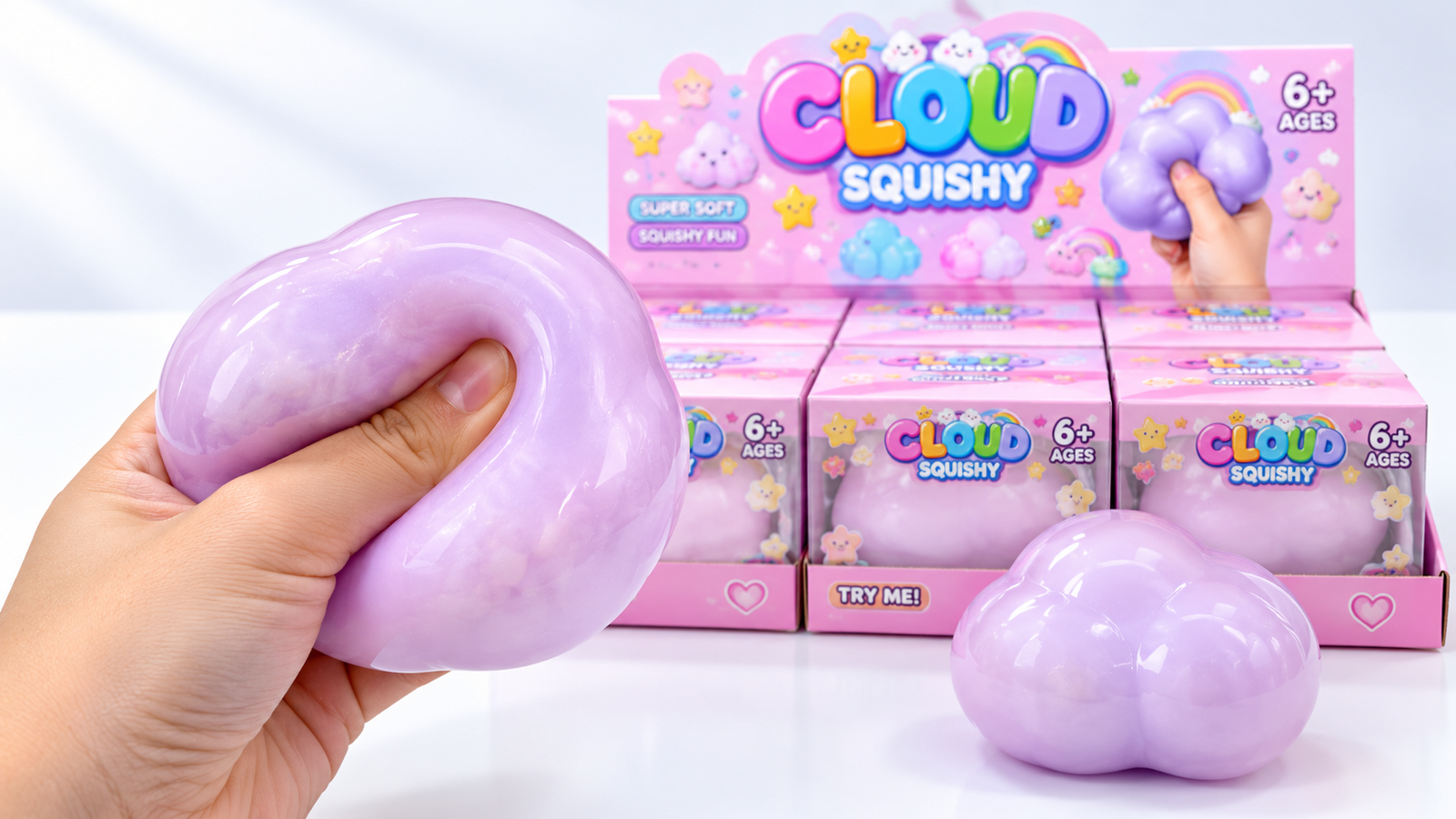
Avoid assuming that products marketed as sensory toys are appropriate for every assisted living setting. Check for detachable parts, potential leakage, cleaning limitations and any risks identified by the facility’s care team.
Separate Reusable Supplies From Consumables
Not everything in an activity kit needs to be replaced after one session.
Conversation cards, sturdy organizers and some activity accessories may be reusable. Paper, craft components and certain individually assigned items may need more frequent replenishment.
Separate those categories before purchasing.
For soft squeeze products, ask about material, dimensions, construction and the manufacturer’s cleaning instructions. Some designs may be unsuitable for shared use if they cannot be cleaned in accordance with facility policy.
Our guide to choosing squishy toys explains how material, size and product features differ across designs.
Keep a simple inventory record showing which supplies are reusable, which are assigned to individual residents and which need replacing.
This makes assisted living activity kits easier to maintain without staff repeatedly purchasing items they already have.
Test a Small Set Before Building More Kits
A catalog photograph can’t tell you whether a product will work during an actual activity.
Before purchasing supplies for an entire community, prepare a small trial kit. Ask activity staff to use it during a suitable session and note what worked.
Was setup straightforward? Were the materials easy to handle? Did residents have options? Could staff clean, inspect and store the reusable items afterward?
Those questions provide more useful purchasing feedback than a general comment that the kit looked attractive.
For squishy or tactile products, physical samples can also help staff assess size, firmness and construction. Our squishy toy sample approval guide covers the product details buyers should check before larger orders.
Trial feedback should shape the next version of assisted living activity kits. If one item is rarely used, replace it rather than automatically ordering more.
The goal is a practical activity resource, not a standardized collection that every resident is expected to enjoy.
Order for Replenishment, Not Just the First Event
Once staff know which kits work, purchasing becomes easier to organize.
Create a basic supply sheet for each activity: product name, quantity per kit, number of kits needed, packaging preference and estimated replacement frequency.
For example, a community preparing six tabletop kits may need a different assortment than one purchasing supplies for a single seasonal event.
Ask suppliers whether items can be ordered in consistent colors or designs, how they’re packed, and whether the same products will be available for future orders.

A squishy toy specification sheet can help purchasing teams record dimensions, materials, quantities and packaging requirements before requesting quotes.
Review storage space and delivery schedules as well. A low unit price is less useful if the order creates more inventory than the activities team can manage.
The most effective assisted living activity kits are easy to prepare, appropriate for their intended participants and straightforward to replenish.
Start with one well-organized kit, learn from the staff using it, and expand the program when there’s a clear reason to do so.
Read More